For partnership and business-related enquiries, please get in touch.
Local Markets
The origins of Fiji’s local markets, as we understand them today in Fiji can most probably be traced back to ‘Fair Days’ hosted by the Colonial Sugar Refining Company at the sites of its sugar mills. On these days, the company would assist vendors to display the latest technological farming aids, and farmers would bring to town a variety of homegrown produce for barter and trade. Those days reflected a time when households and villages were 99% self-sufficient. From those humble beginnings, Local Markets today are centrepieces of Fijian Society. They are places that everyone frequents. And places where pretty much everything is available- from a cup of tea and a cream bun to a goat or chicken and raw tobacco.
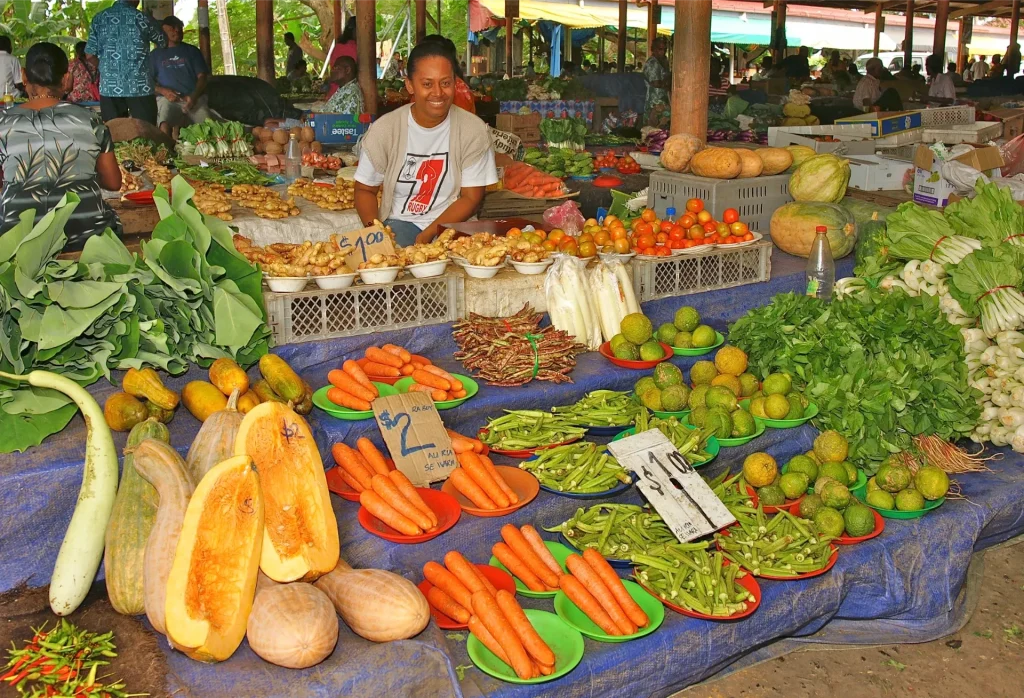
Thinking of Fiji markets conjures up images of fresh produce, fun, frivolity, colours, smells, and the different cultures and livelihoods of Fiji. It’s all hustle and bustle – on Fiji time! Every town has a local market; some have more than one. Early Saturday morning is always the best time to visit. The range of choice is the biggest and the freshest it will be all week.
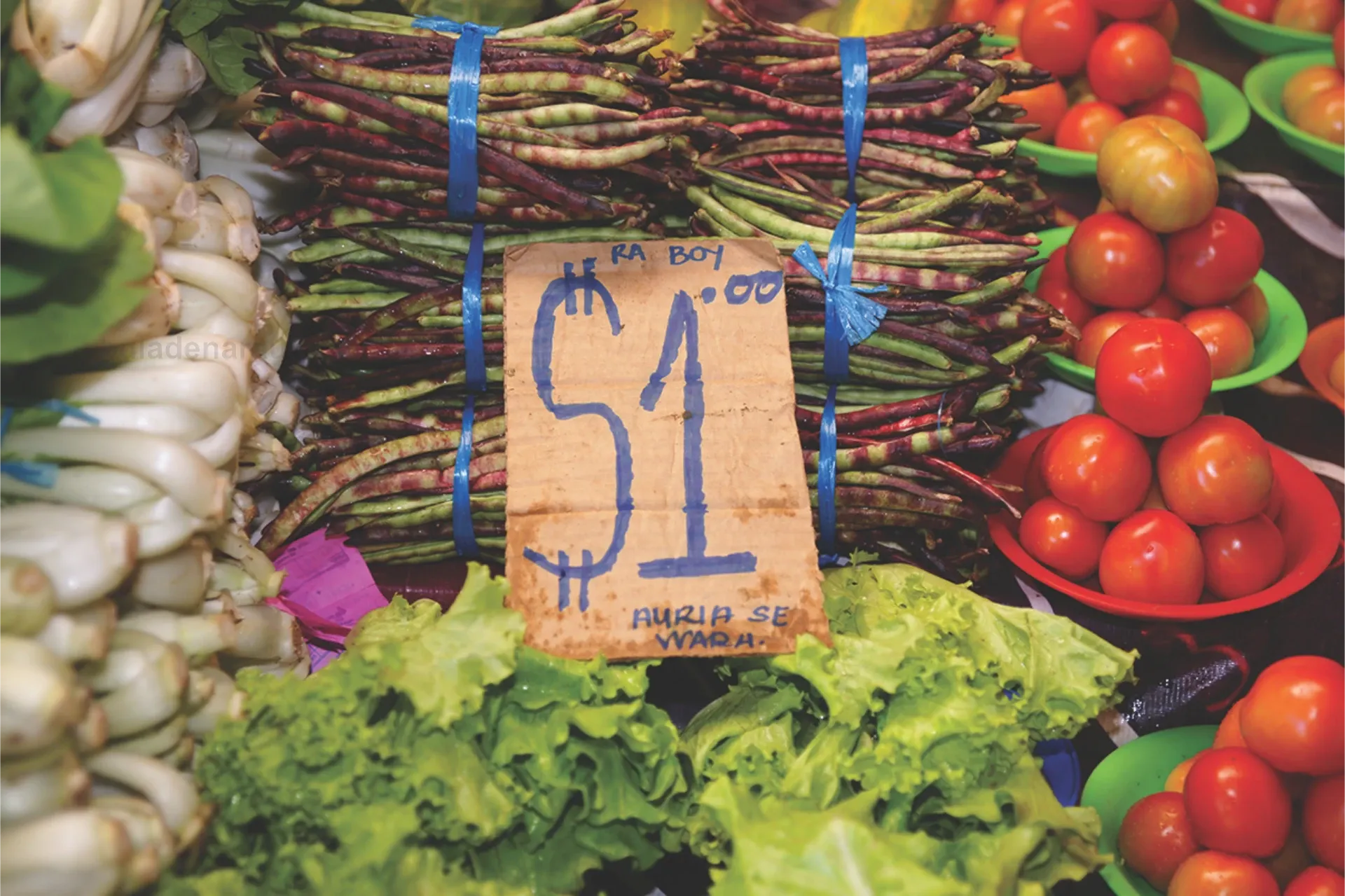
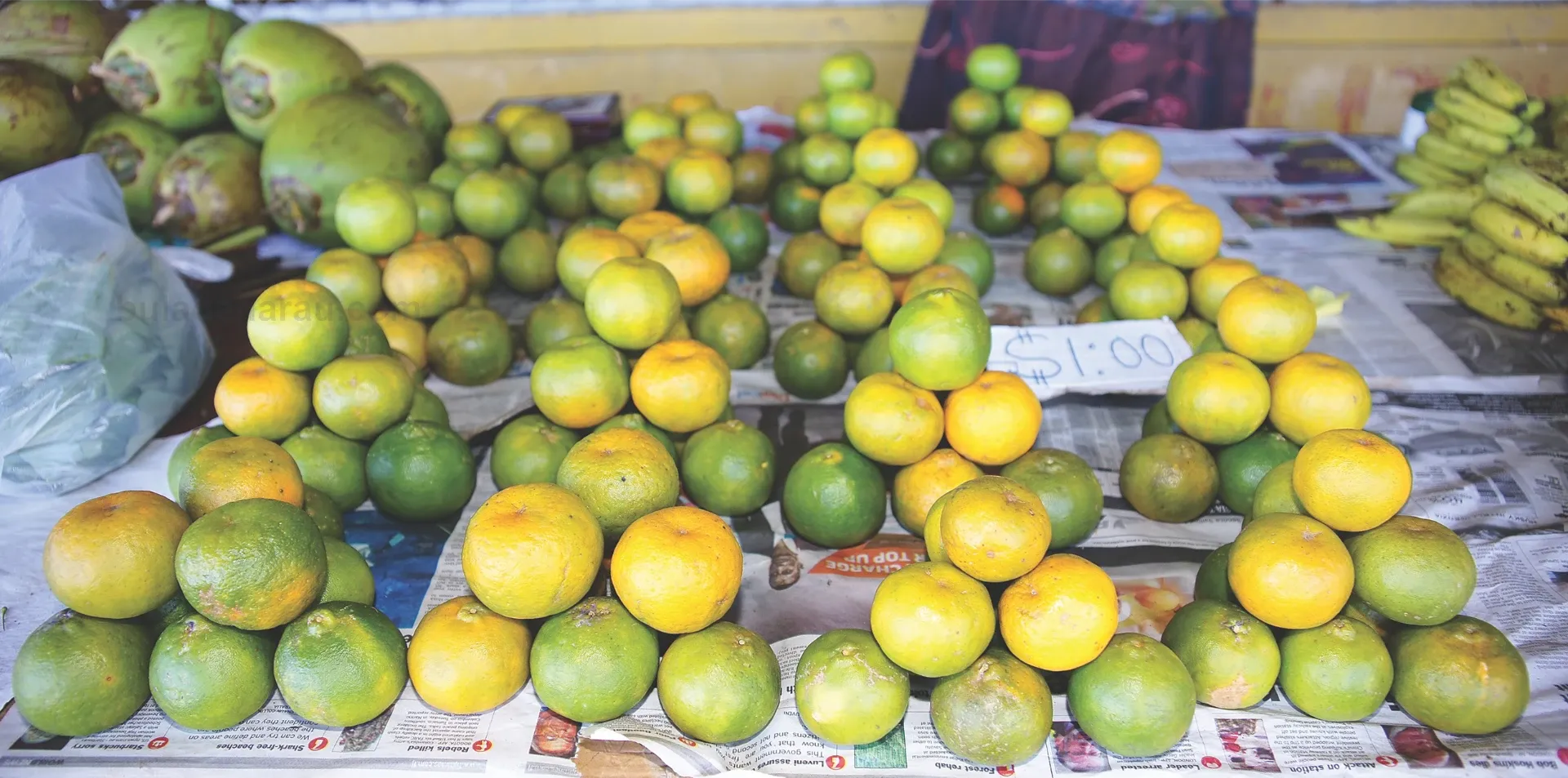
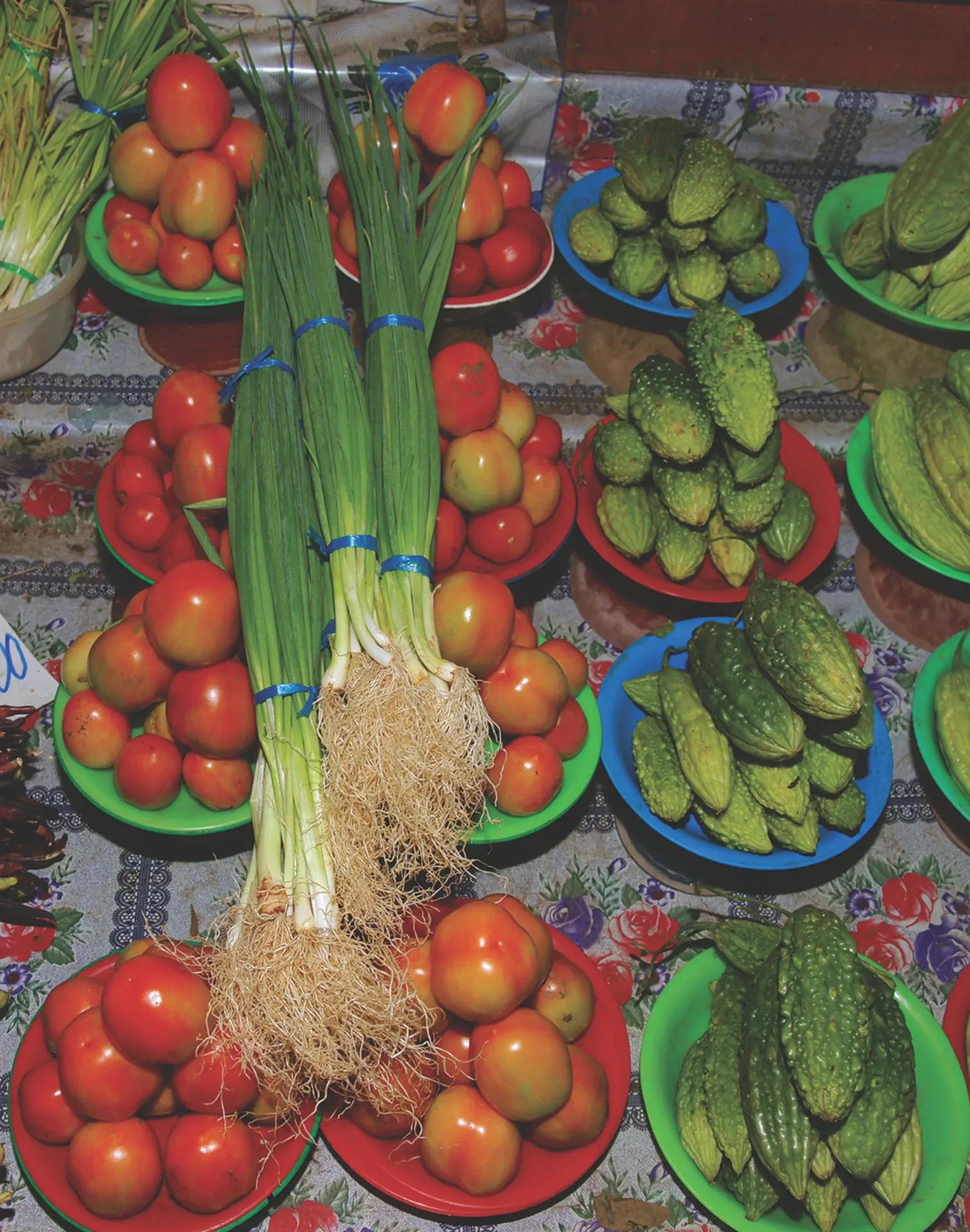
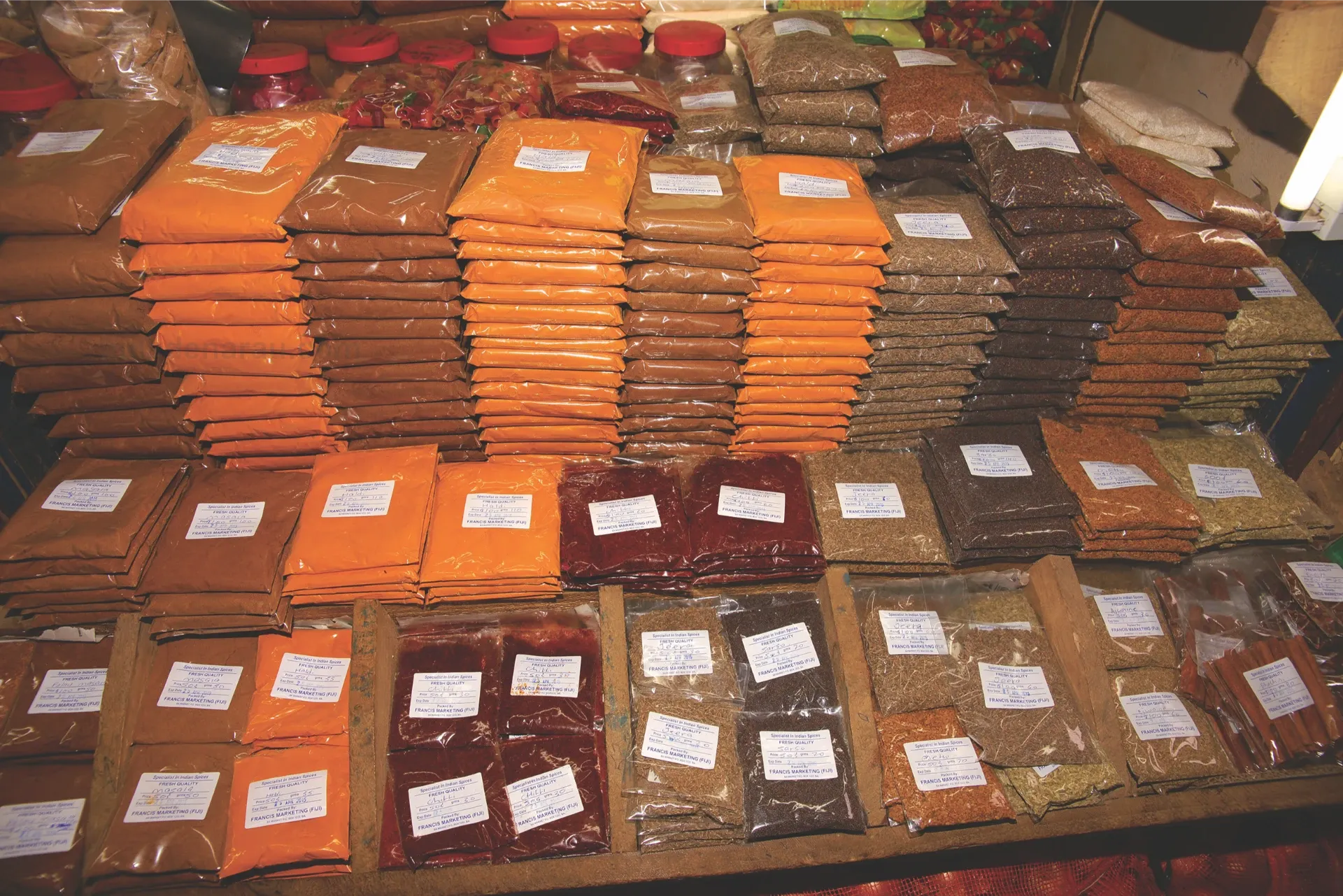
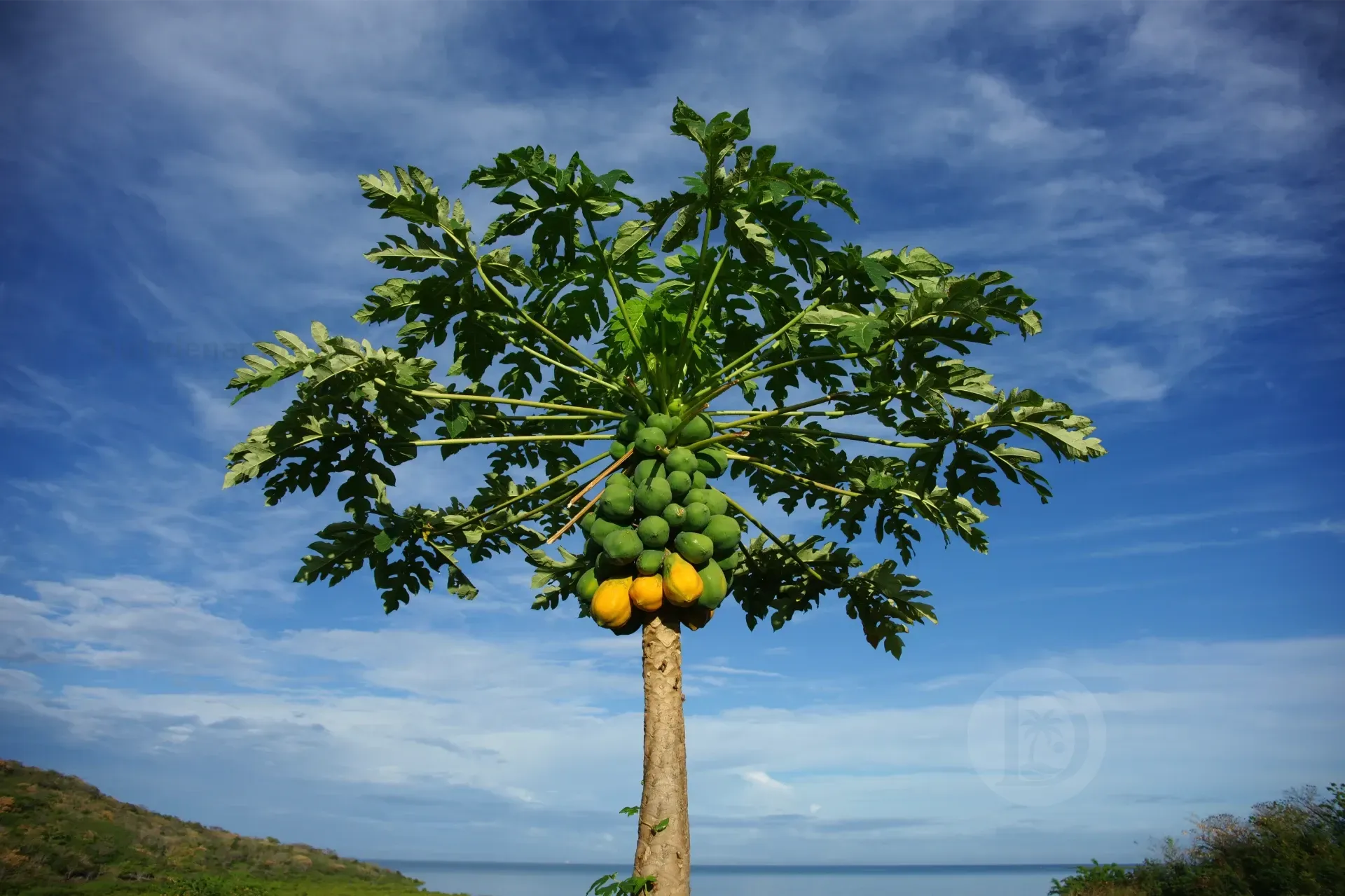
Local markets are indeed great examples of Fiji at work. Farmers bring their crops of fresh seasonal fruits and vegetables, such as: Papaya, chinese and English cabbage, cucumber, French and long beans, eggplants, coriander, mint, lemons, limes, and mandarins, carrots, capsicum; ginger; fresh and pounded spices such as turmeric and tamarind, and various types of chillies, along with curry masala mixes, the recipes for which have often been handed down through generations.
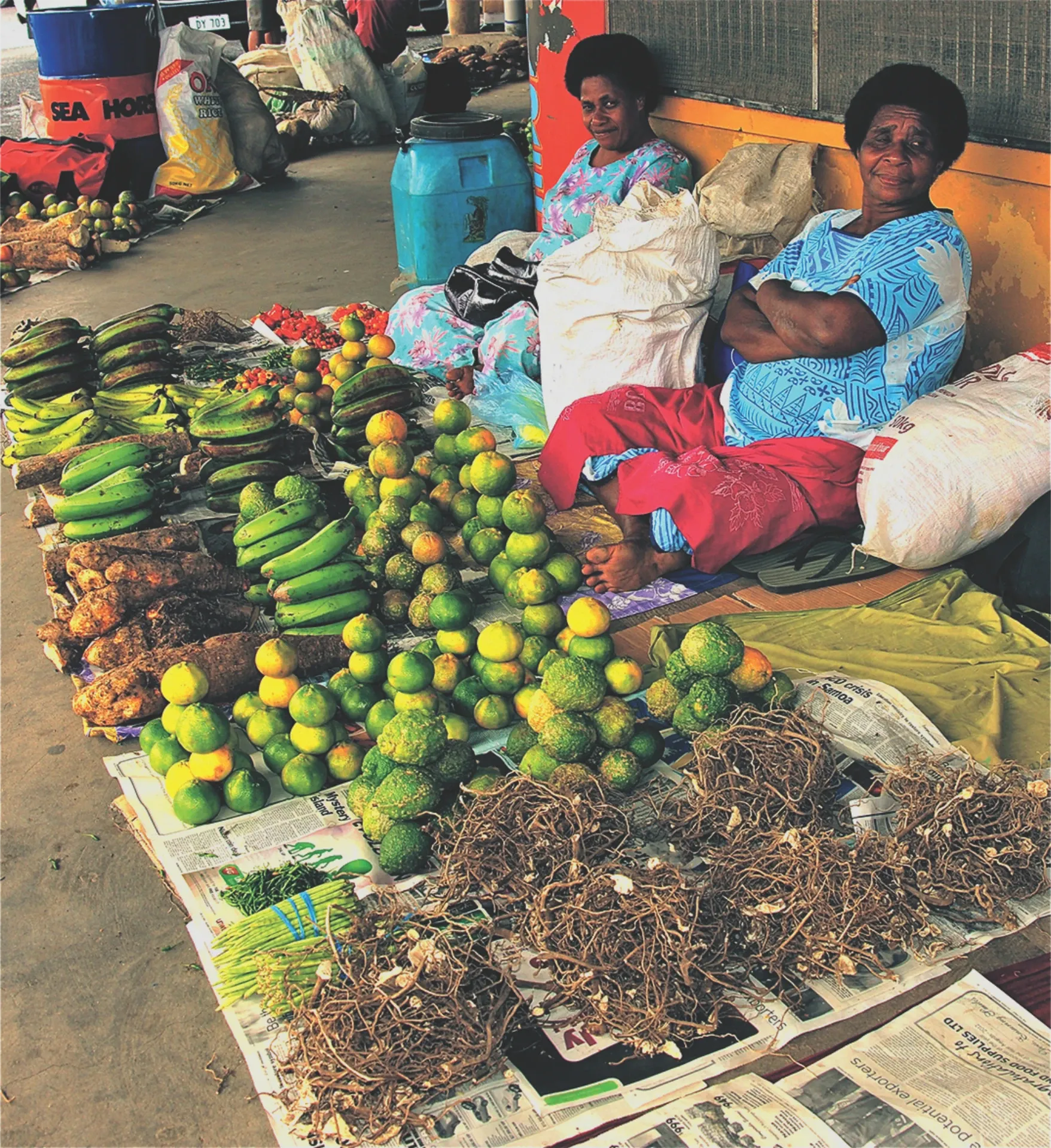
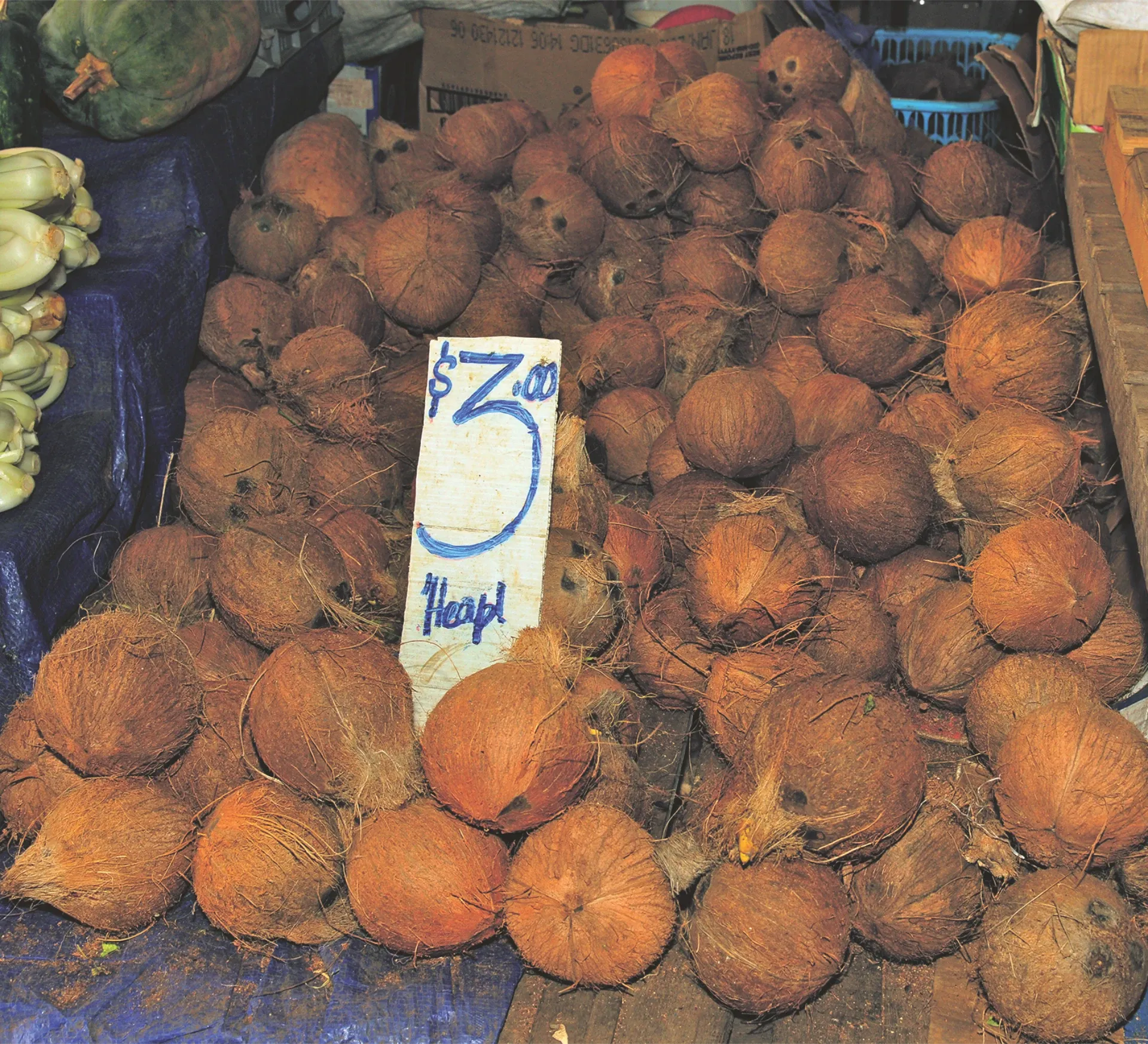
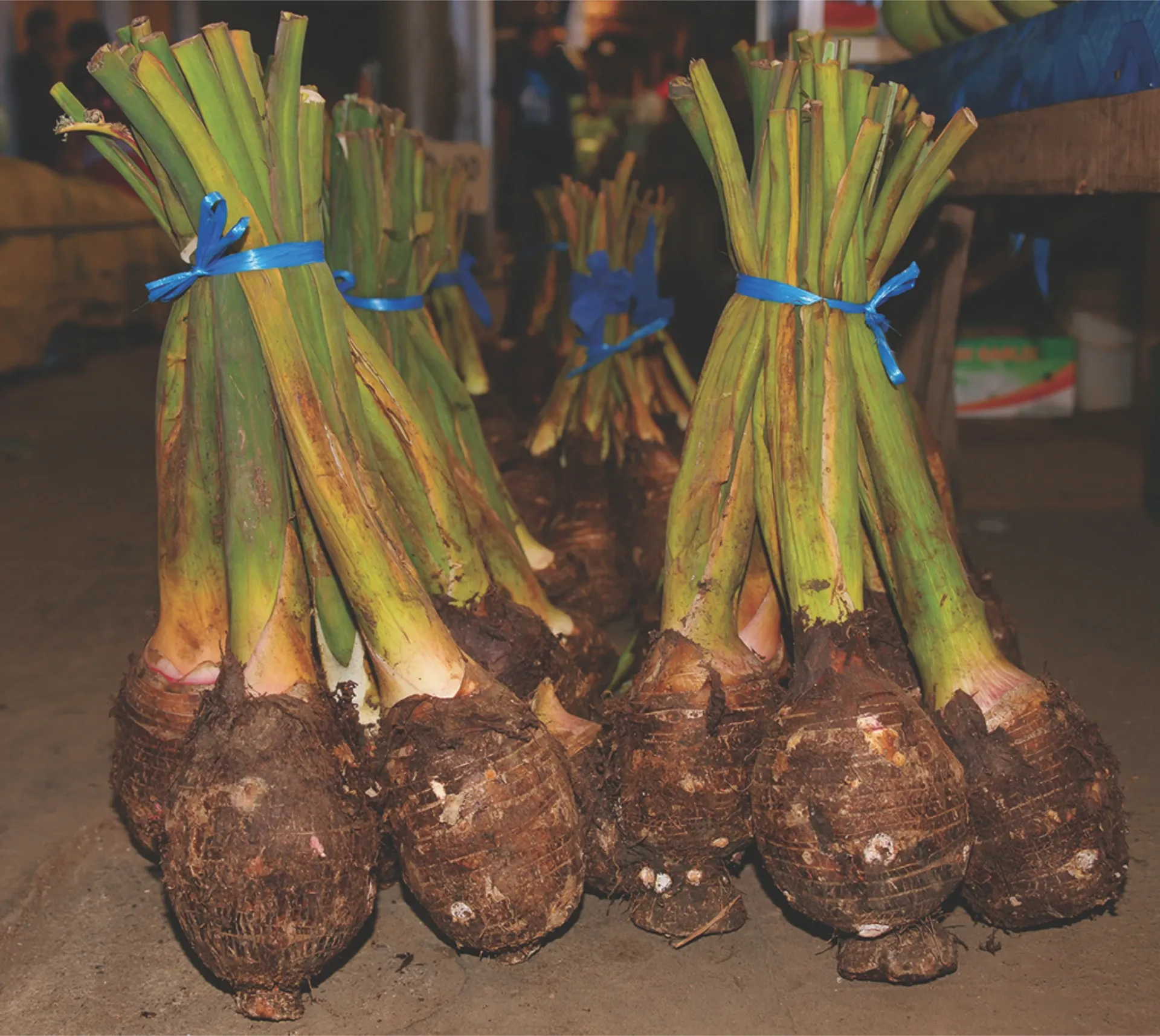
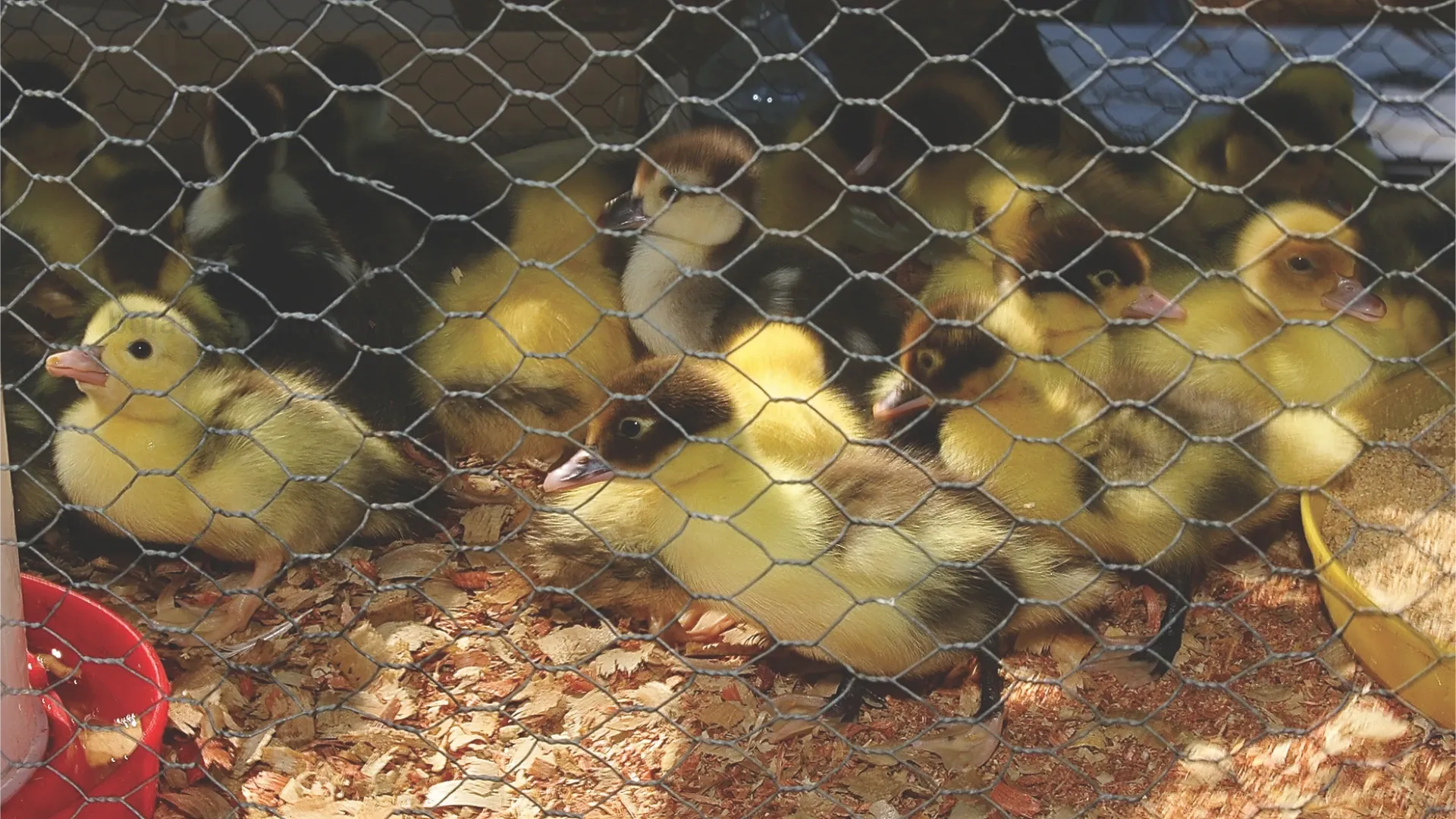
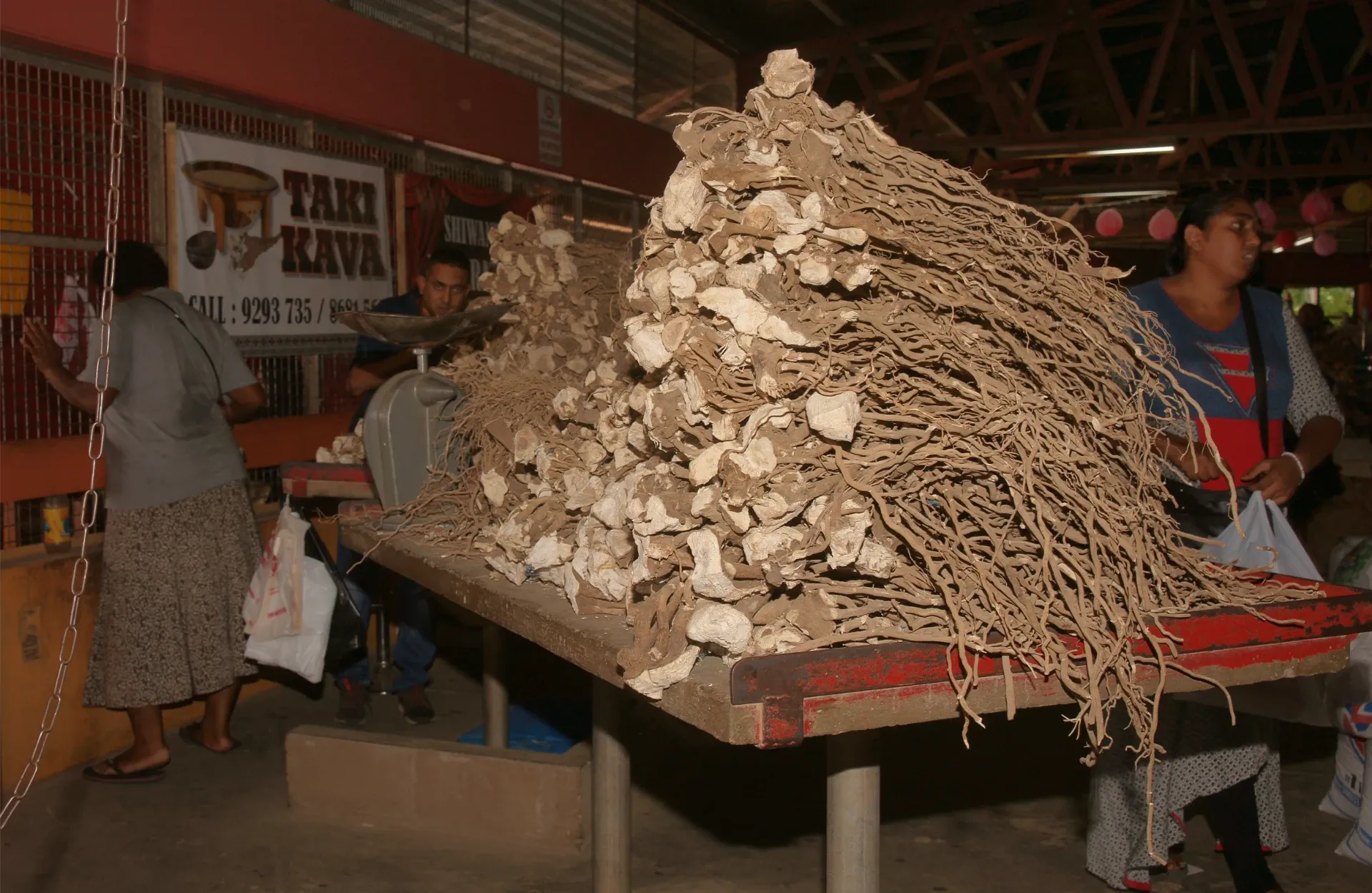
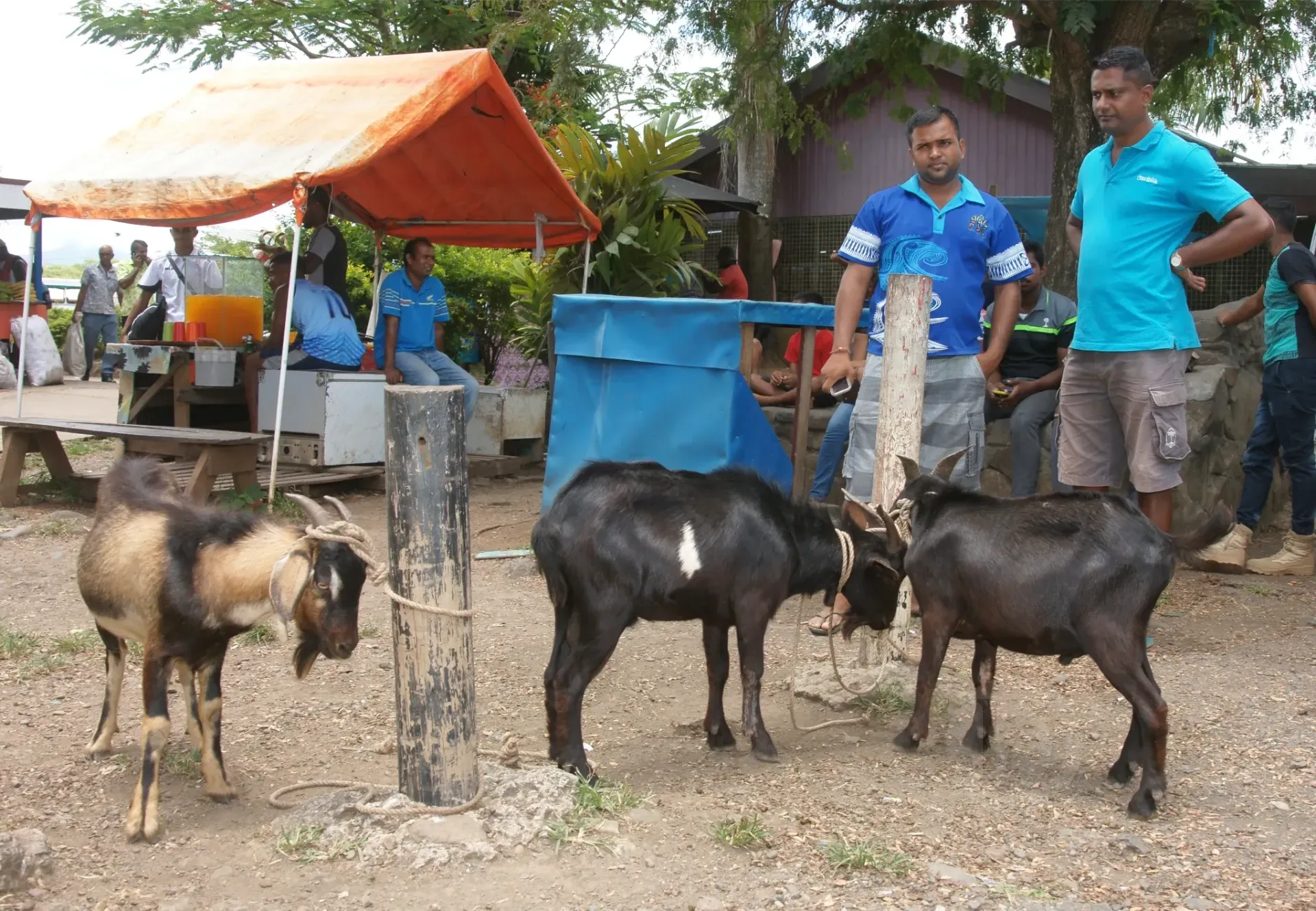
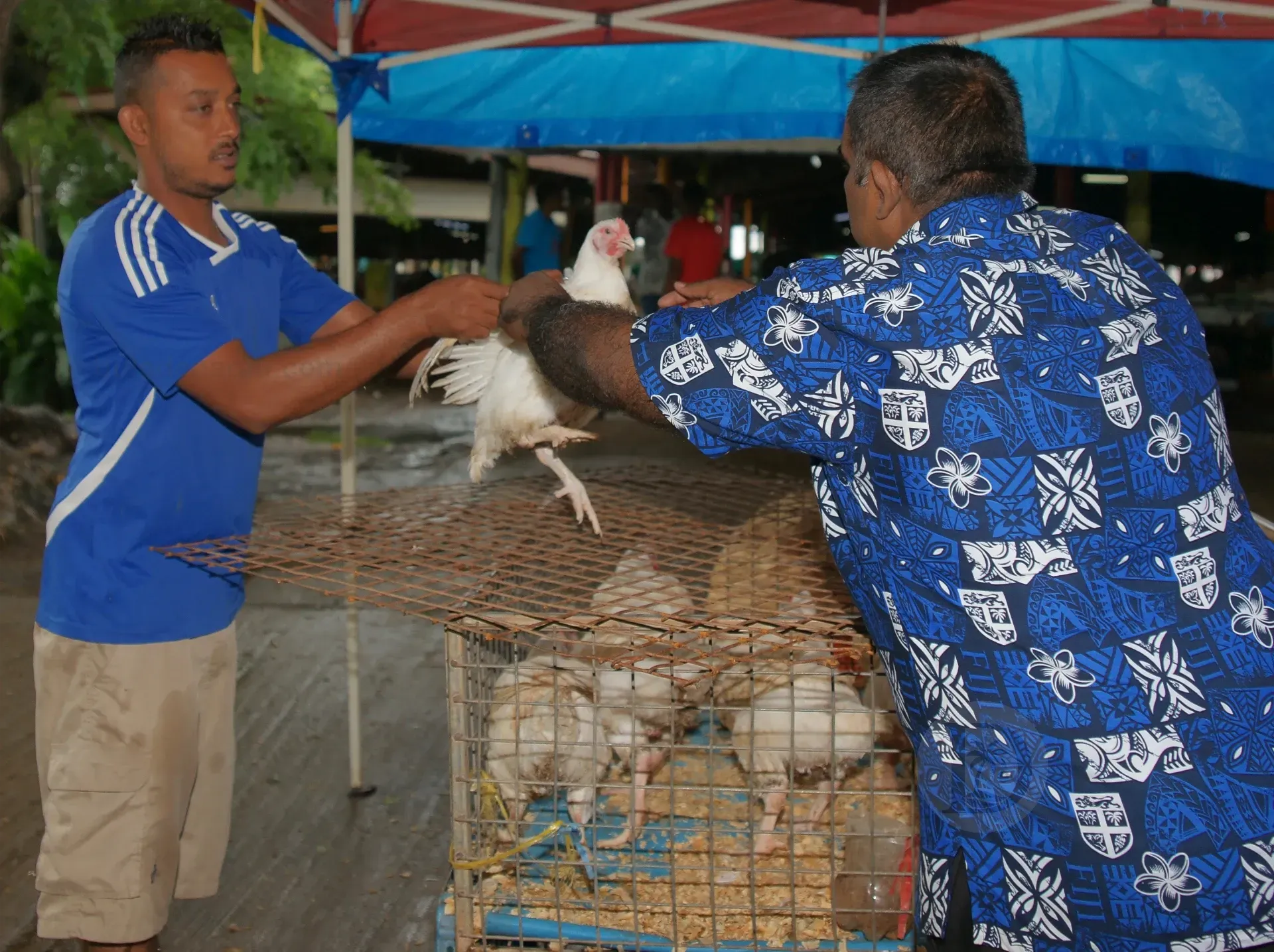
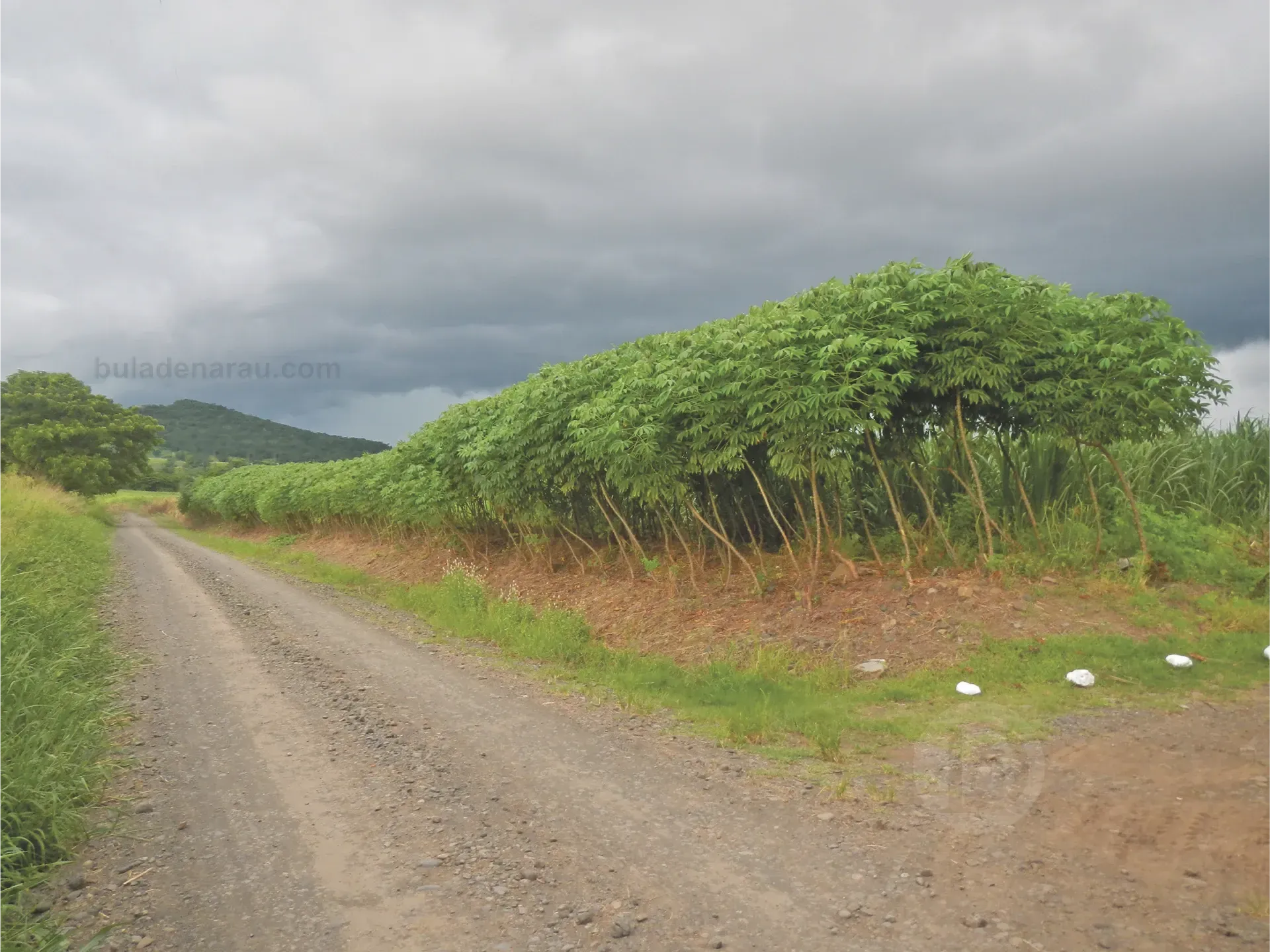
Lettuce, spring onion, okra, eggplant, seafood, bananas, vudi, plantains, live chickens and goats, fish, honey, homemade ghee, yaqona, pumpkin, cassava, coconuts, dalo and its leaves, called roro, and seasonal sweet corn are among the many items on offer.
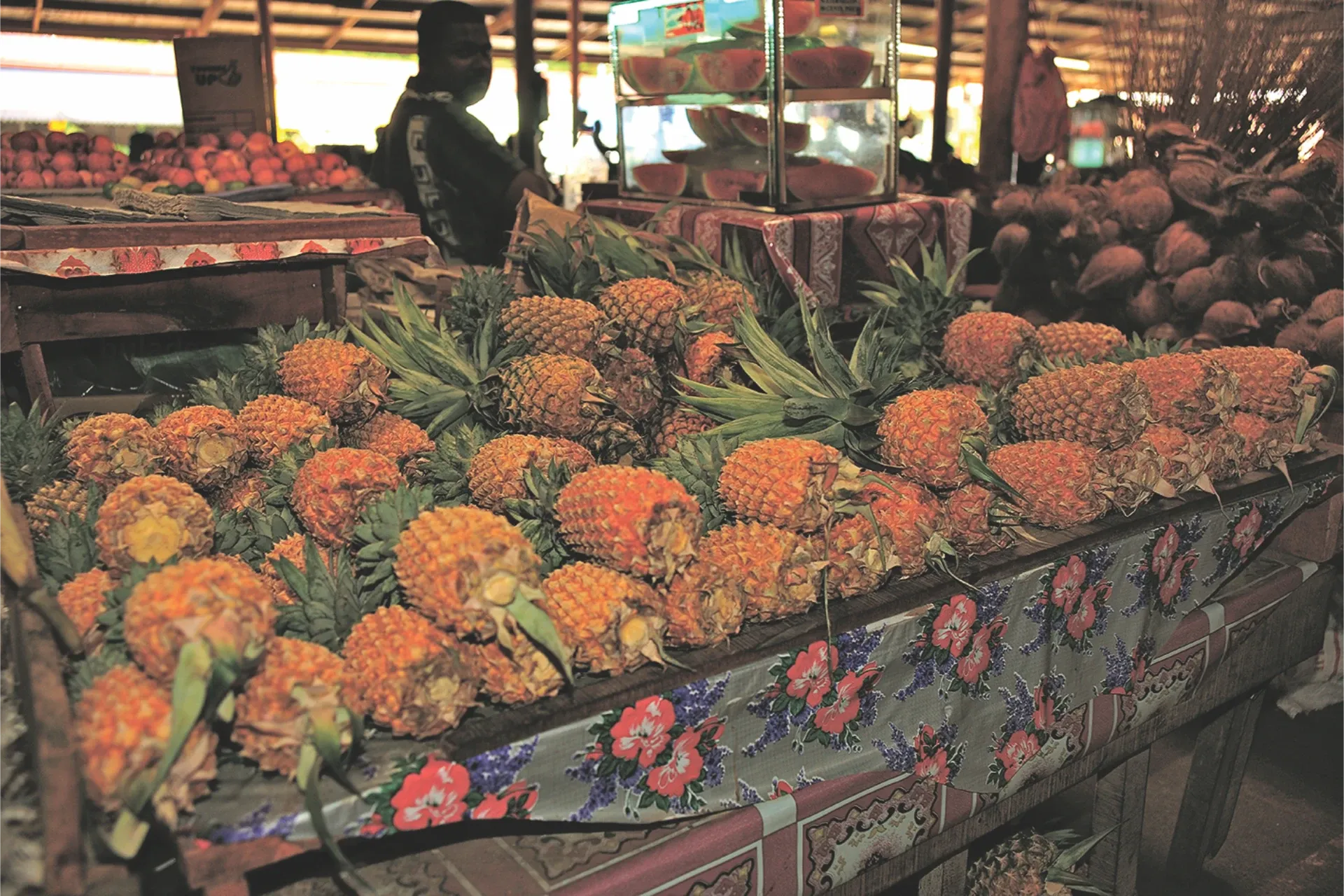
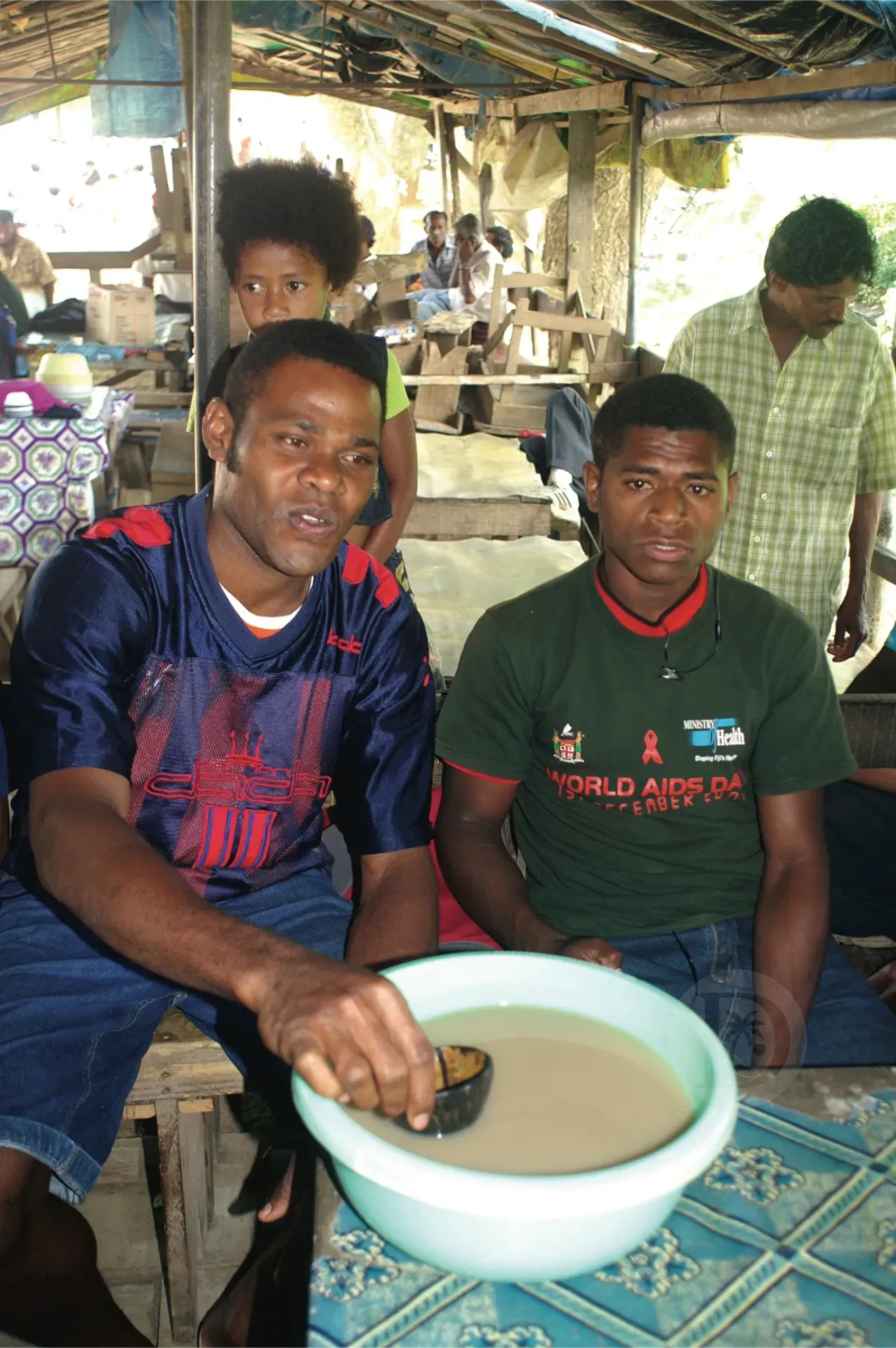
Knick-knacks, seeds, seedlings, flowers and plants, freshly made savouries and sweets, bags, string, local raw tobacco, watermelon, pineapple, glasses of freshly squeezed pineapple and fruit juices, cups of tea with cream buns, restaurants, and groups of men sitting around basins of yaqona catching up on the daily news are some of the sights on display. Indeed, local markets offer a unique perspective on Fijian life and its people as they go about their daily business.
Trade, of course, is as old as human relationships themselves, and in days of old, the people of Fiji had some fairly well-defined trading arrangements. For example, some areas were, and for that matter still are, more plentiful in dalo and other root crops such as yams and sweet potatoes, and they were used in exchange for salt and other items produced in other areas. Some districts became famous for certain types of pottery or weapons, some for their masi, or tapa, cloth, and so inter-district trade and trade between island groups occurred. Tongan people would for instance, come to barter for sandalwood to scent the coconut oil with which they anointed their bodies, and for wood for canoes.
In the days of the early British Colonial administration there were no formal ‘market places’. The iTaukei were supposed to remain in their koros, or villages, unless specifically released by their turaga, or chief. The purpose was to ensure that sufficient manpower was retained in the villages to complete the communal activities and responsibilities of the people living there.
For example Fiji used to be self sufficient in rice. Some families still are to some extent. You can read about an example of this in ‘Like their Parents did.’
Rice would be grown for home use and also sold. It was and is made into flour from which roti are made, and if the customer did not have a means of grinding the rice flour at home, there were machines available at the market to do so, so not only rice but also rice flour was sold. Also popular was grinding corn into flour to make roti, and although these days wheat flour is preferred some still enjoy corn as well as wheat flour when making their roti.
Sugar, kerosene and candles, seemingly such essentials of daily life could and still can be substituted at home. Honey, sweetness from sugarcane, and lamps using ghee or made by burning, appropriately named, candlenuts in coconut shells are alternatives. But markets opened up the possibility of each family utilizing their own competitive advantage, be it due to climate, location or skill and so enter into more profitable trade relations and improving their standard of living.
Gradually as Fiji has developed and urbanized the market economy has grown. Marketplaces have increased in size and number and have become a permanent feature in most towns and cities. Around the 1950s local bodies assumed responsibility for hosting and administering local markets. Many, if not most, now provide some form of overnight accommodation and amenities for people from remote areas. Improved communications and infrastructure makes travel from the hinterlands more feasible and encourages more and more Fijians to participate in the market economy.
Fiji is a small island economy that depends much on imports. In the past it has done so rather more than is perhaps strictly necessary partly in response to the huge contribution growing sugar made to the economy. Sugar’s contribution has since declined due to a multitude of factors. However because of Fiji’s wide-ranging topography it is possible to grow almost anything here all year round and increasingly alternative crops are being sown, harvested and sold, both at home and for export and for use in the kitchens of Fiji’s growing tourism industry.
One of the imperatives for Fiji has been to encourage advancement and diversification of the agricultural sector of the economy. Governments are providing strong technical, financial and infrastructural development. Skill transfer, technological improvements and increased ease of access to markets have all been facilitated. It is no secret that the benefits to an economy of a strong and vibrant agricultural base can be immense, not to mention the importance of establishing food security for the nation.
It is one sign of Fiji’s continuing development and growth and adjustment, and has opened new avenues for elders to pass on the benefits of their agricultural skills to a new generation of business-oriented people who can see opportunities in the land that did not previously exist or occur to them. It is reflected today in how much fresh local produce makes its way into hotels, restaurants, resorts, export markets, and onto local dinner tables. A visit to a local market makes for an interesting half-day out; Nadi market is the closest if you are in Nadi, and good. But the Lautoka market is only half an hour away and is much bigger and more diverse. If you are on the Coral Coast, then Sigatoka market is for you. If you are on the Sun Coast, then it’s RakiRaki or Tavua marlets. You can check out all the produce on offer, not to mention how many more faces and dresses of Fiji you will see when you visit a local market! Saturdays are market day and the best day to visit, especially in the morning.
Choosing your ‘heaps’ at Fiji’s markets works a little differently than you might expect. Because food is sold by the heap, not by weight, the real skill isn’t haggling — it’s knowing how to choose well
Have a good look around before you buy, the same way you would in a supermarket — checking for ripeness, quality, whatever you’re actually after. The difference here is that there’s no supermarket-style grading or sorting system behind it. Vendors simply bring what’s available that day, so it’s on you to look and choose what suits — savoury or sweet vudi, for instance, can sit heap to heap, so know what you want before you commit.
That said, you don’t need to worry too much about price. Vendors generally know exactly what’s happening around them, and pricing across the market tends to settle into a natural equilibrium — genuine dysfunction (one stall wildly over- or under-charging) is rare. Still, it pays to have a quick look and confirm you’re not the exception to that rule.
It’s also worth knowing who you’re buying from. About 90% of market vendors do this full-time for a living — they have proper stalls, and while some grow their own produce on their own farms, most actually buy from middlemen and resell it. Then there are the casual drop-in sellers: Fijians who’ve spent the week scouring the bush, hillsides, and home gardens for whatever’s ripe, and come in specifically on Saturday mornings to sell it. Selling this way is simply part of the subsistence lifestyle still very much alive in rural Fiji — growing, foraging, and selling what the land provides, rather than relying purely on cash income. Buying from them supports that way of life directly, and often turns up produce you won’t find at the established stalls.
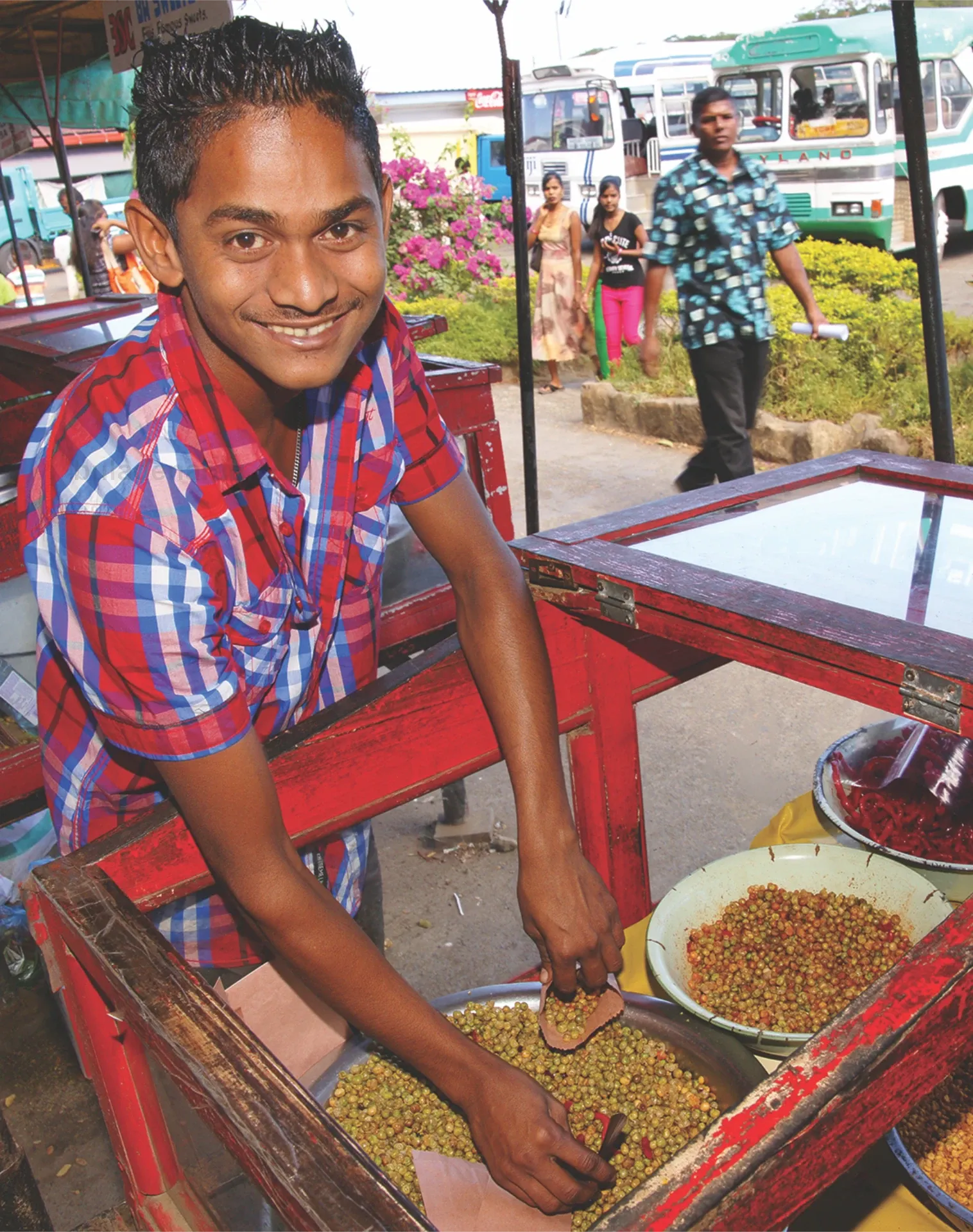
When you visit – don’t forget the ‘bean carts’. These are the snack carts found at every market. Pro tip: try the ‘beans’ – which are actually peas – so popular that the entire industry of snack carts are named after them! There are two versions on offer, normal and hot or ‘chilli beans.’ If you try the chilli beans don’t forget to wash, or wipe your hands afterwards in case you touch your eyes. Not keen on the ‘beans’ or in addition to them try some mixed bhuja. And for a sweet you can’t go past the barfi, it is a milk based sweet and comes in a multitude of colours but yellow is considered the standard.
To view all the photos in a curated gallery view, simply tap on any one of them. It will pop up, and you can cycle through all of them.