For partnership and business-related enquiries, please get in touch.
Kava Ceremony Etiquette in Fiji: Yaqona, Sevusevu and History
Whether you want to know how to participate in a kava ceremony or understand the meaning and history behind it, we’ve got you covered. Yaqona, Fiji’s national drink, is a traditional beverage prepared from the roots of the Piper methysticum plant. It sits at the heart of Fijian social and ceremonial life, governed by deep-rooted protocols known as sevusevu and veiqaravi.
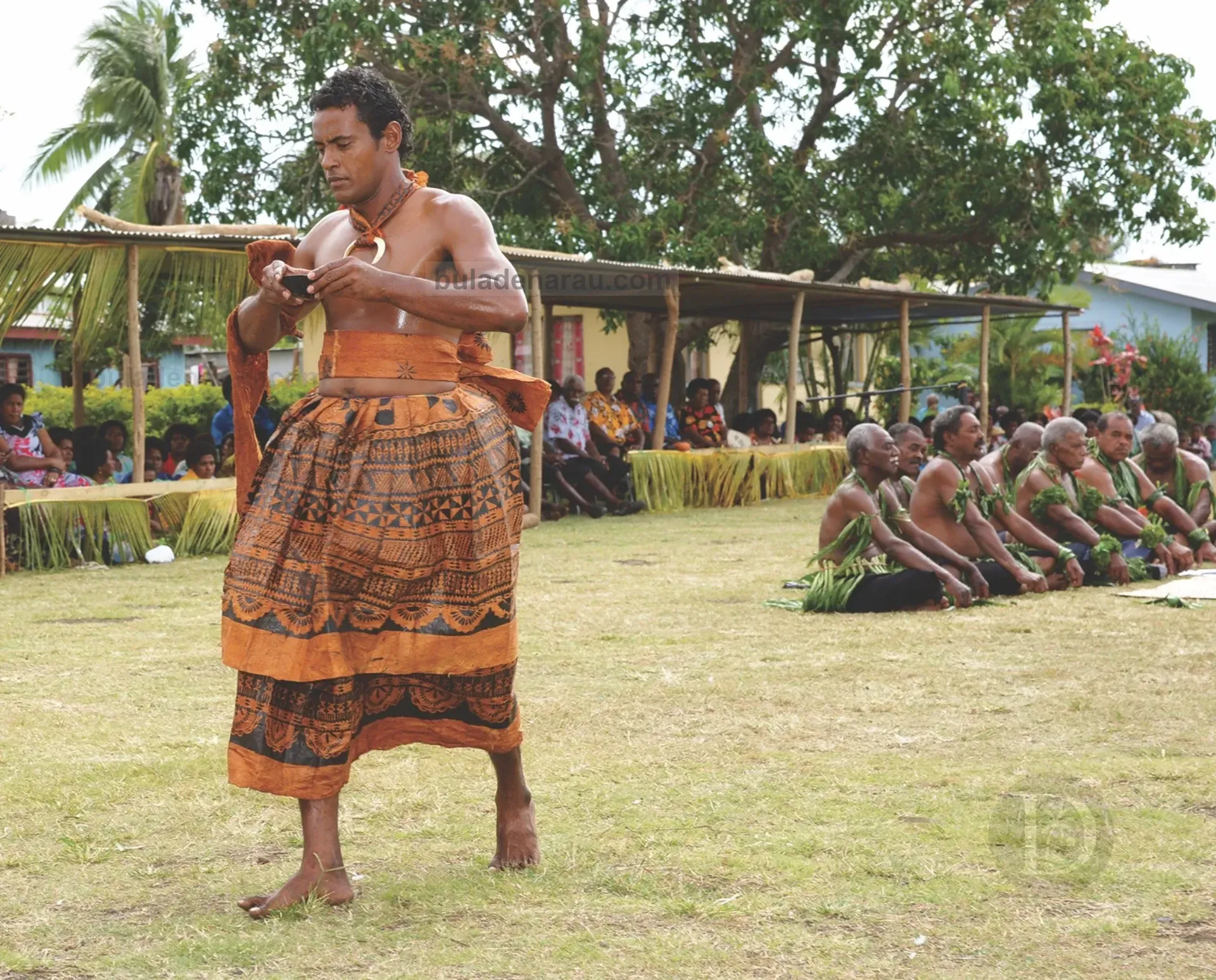
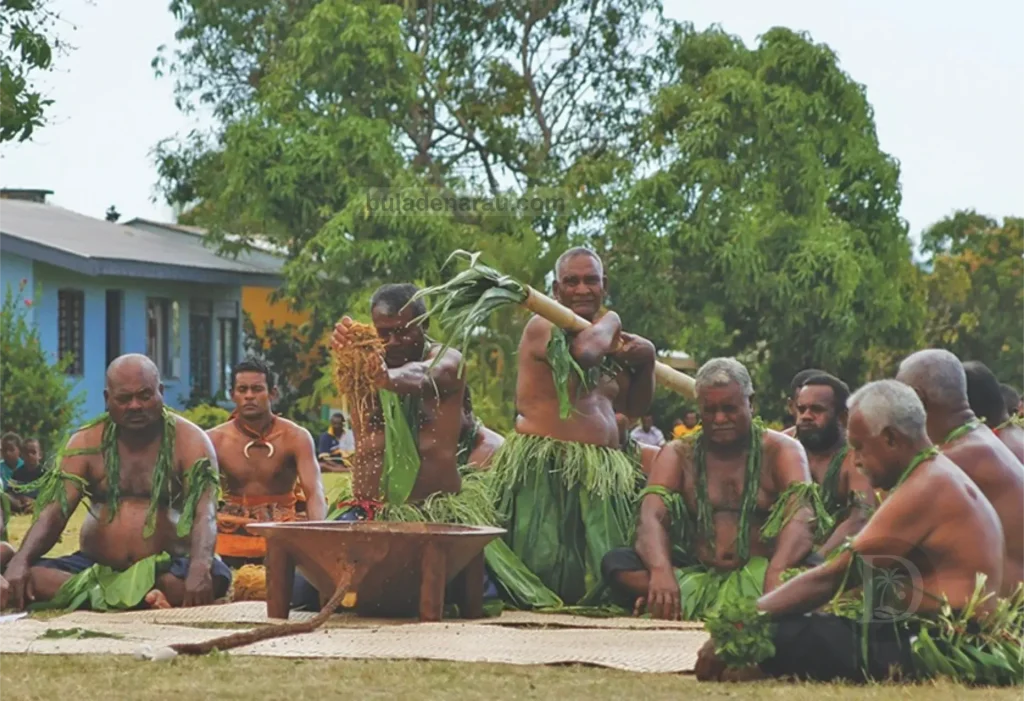
When served on formal ceremonial occasions, such as the one in these photos, the yaqona is prepared and served at the same time as the party performs their yaqona meke. The meke assists everyone in the party by letting them know who is to do what and when. Here is an authentic recording of part of a yaqona meke chant.
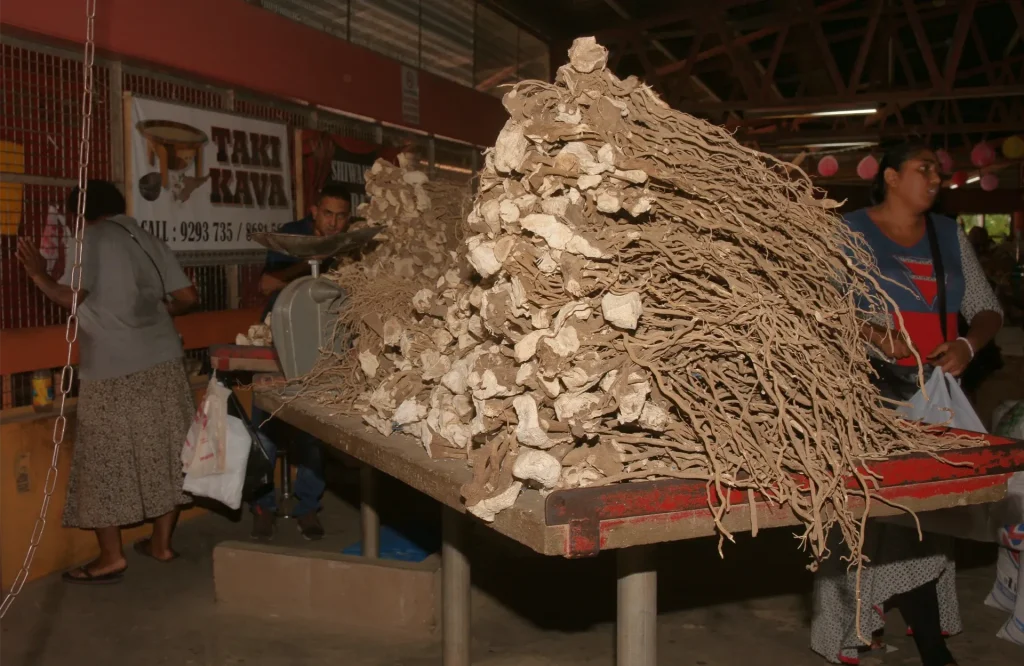
To understand the Fiji kava plant, one must look at Yaqona (Piper methysticum), a crop that thrives in ample rainfall and fertile soil. The roots contain the highest concentration of its active ingredient and are the most valuable part of the plant. While young plants may be harvested from three years of age, the roots become more potent and valuable as they get older. Good kava is usually at least five to seven years old.
Preparation: From Root to Draught. When harvested, the plant is carefully removed, and the roots and lower stems are washed. The upper parts of the stem are often kept for replanting. The roots are referred to as waka, while the lower stem is known as lewena.
- Drying: Roots are sun-dried.
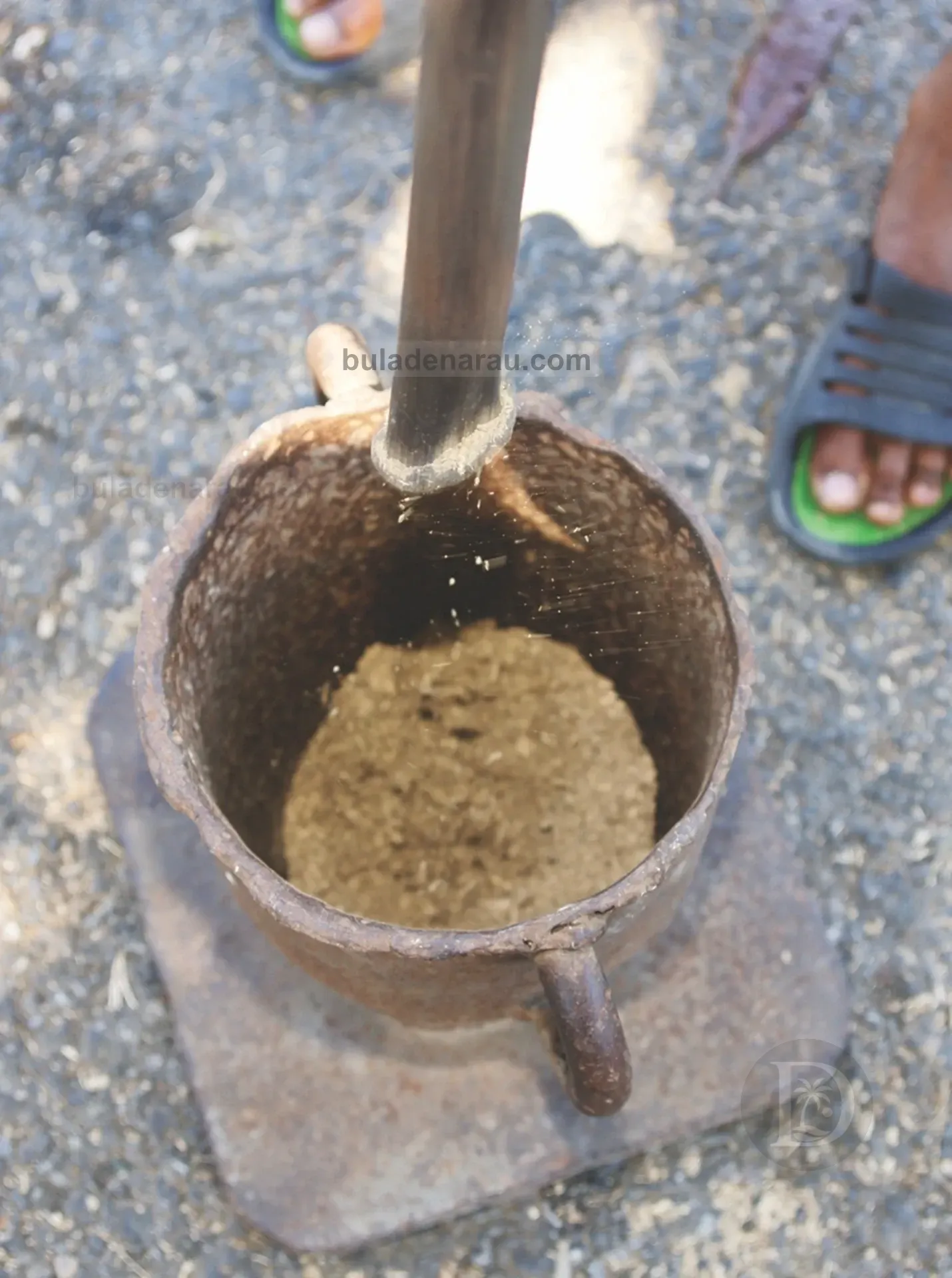
- Pounding: They are placed in a tabili (a large metal mortar) and pounded with an iron bar into a fine powder.
- Mixing: The powder is mixed with water. The active ingredient—which is suspended in the water rather than absorbed—is strained to remove the pulpy residue.
- Serving: Because the active ingredient settles at the bottom, the mixture must be stirred before serving to ensure the draught is potent.
Cultural Significance in Fiji. Practically speaking, yaqona farming is a significant industry in Fiji, serving both local consumption and export markets. It is also used in herbal medicine for anxiety and insomnia. For many, mostly iTaukei farmers, yaqona farming is their sole means of livelihood.
For indigenous Fijians, yaqona holds profound significance, and its history is complex and intertwined with religion, kin, and kingship. The best example of the centrality that yaqona plays in Fijian society today is that of the yaqona vakaturaga ceremony. You can read more about that here, where an actual ceremony is covered in detail.
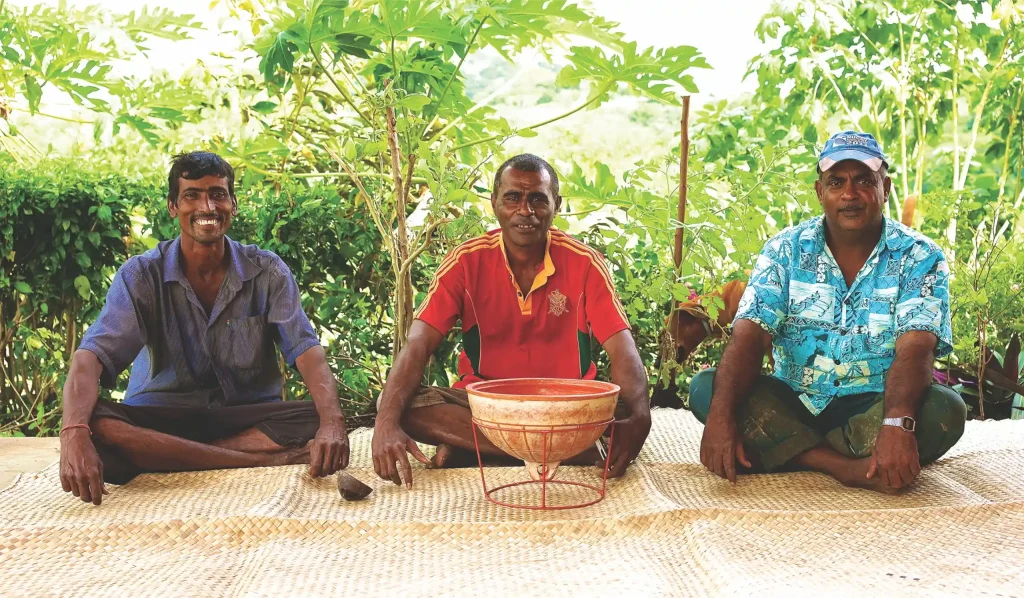
On formal ceremonial occasions, it is prepared and served according to specific customs. It is mixed in a wooden basin called a tanoa and served in bilos (polished coconut shells). Specific individuals with appointed roles are responsible for its preparation and service.
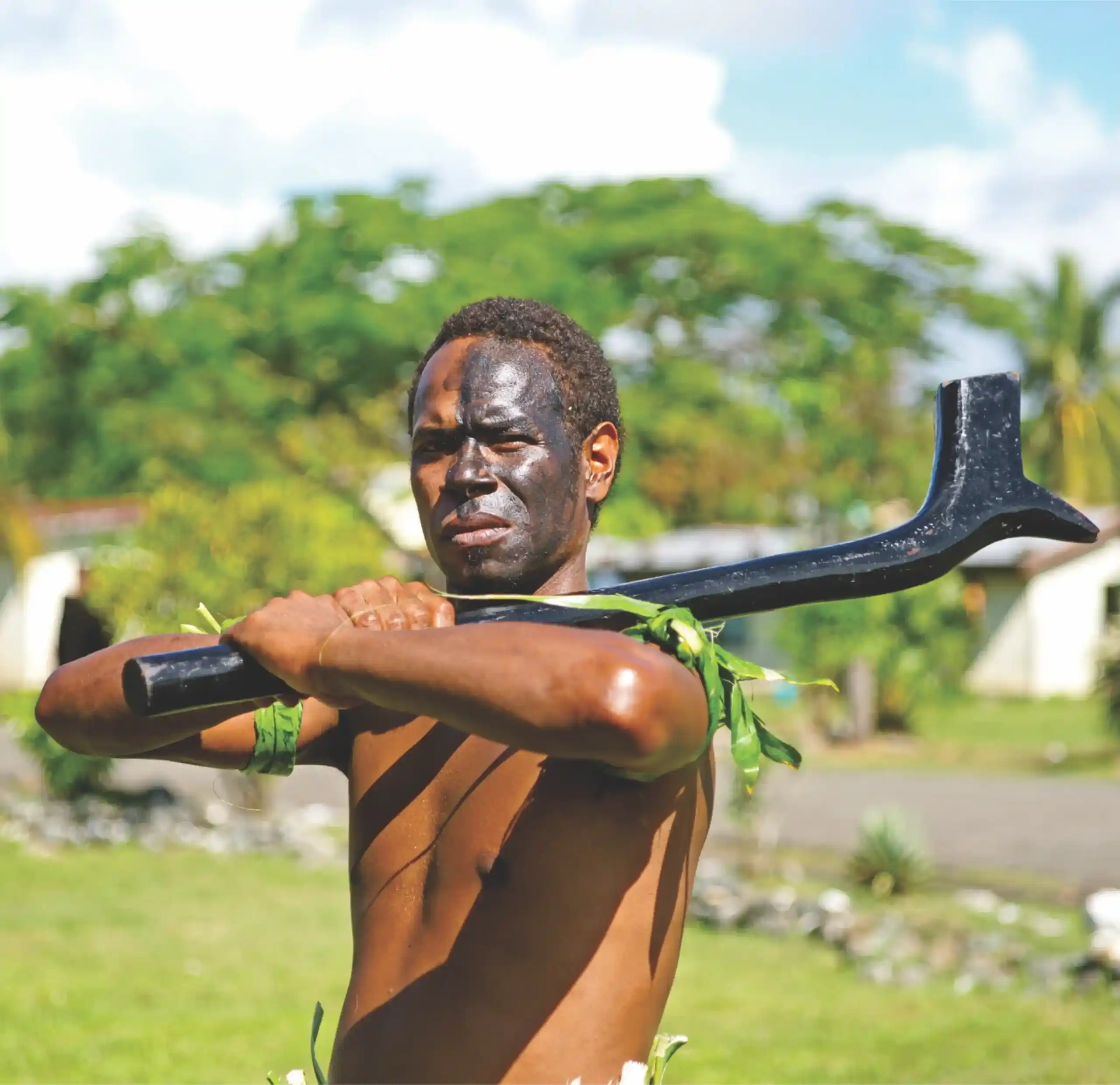
The historical evolution of yaqona preparation. There and back again! The ancient and traditional Fijian way of preparing yaqona was by young warriors who pounded the roots with stones before infusing them in water. “Priests, when supplicating the ancestral gods and praying for the welfare of the tribe, figuratively mentioned the youthful warriors as ling-a yangona, i.e., the hands that brewed the yangona or kava.”* Tongan influence in Fiji changed the procedure to reflect their custom, where green roots were chewed, and the cud spat into the tanoa before being diluted with water, ready for serving and drinking. When English colonial administrators objected to the practice on sanitary grounds, the procedure reverted to its traditional Fijian form. *
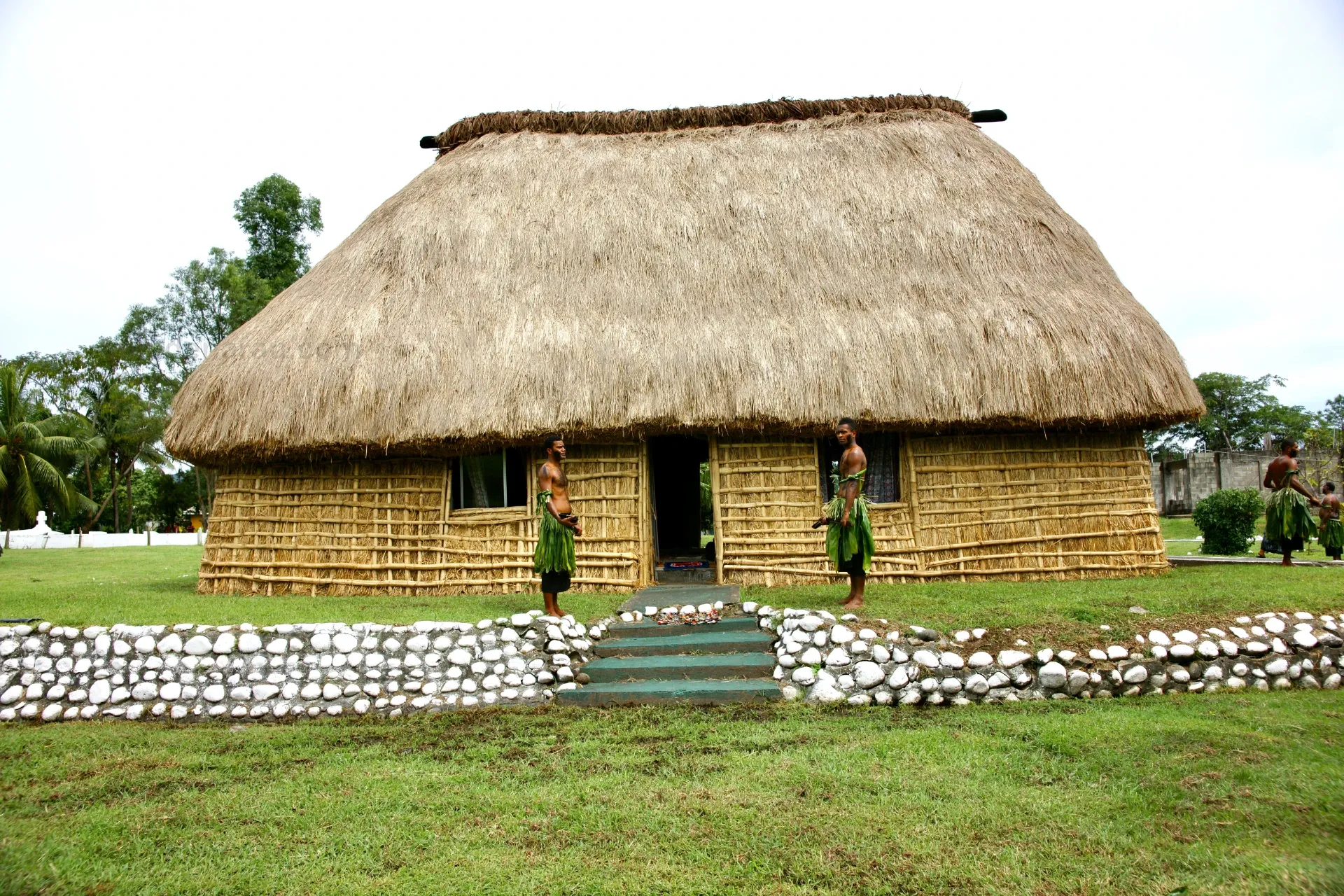
Visiting a Village: The Sevusevu Protocol – what is it? A sevusevu is far more than just a gift of kava; it is the formal protocol of respect that bridges the gap between a visitor and a host.
In the eyes of a village, the sevusevu is the “key” to the community. By presenting waka (dried kava root) to the turaga ni koro (village headman) upon arrival, you are not just making an offering—you are formally requesting permission to enter their land and home.
The word itself is rooted in the tradition of sevu, meaning to present the first or most valuable portion of something. In this context, your sevusevu is the instrument of that tradition—it signals that you recognize the community’s stewardship and wish to enter as an honored guest rather than a stranger. So if you plan to visit a village, it is customary to present a sevusevu (a gift of respect) to your hosts.
For a detailed guide on how to behave respectfully and in a culturally correct manner in a Fijian Village, read our detailed guide on Fijian Village Etiquette.
How to Participate in a yaqona ceremony. If invited to partake in a ceremony, follow these traditional guidelines:
- Respect the Space: Never walk in front of the tanoa (between the bowl and the guests). Always walk behind the bowl.
- The Ritual:
- When your first bilo is offered, clap your hands once firmly in a cupped fashion.
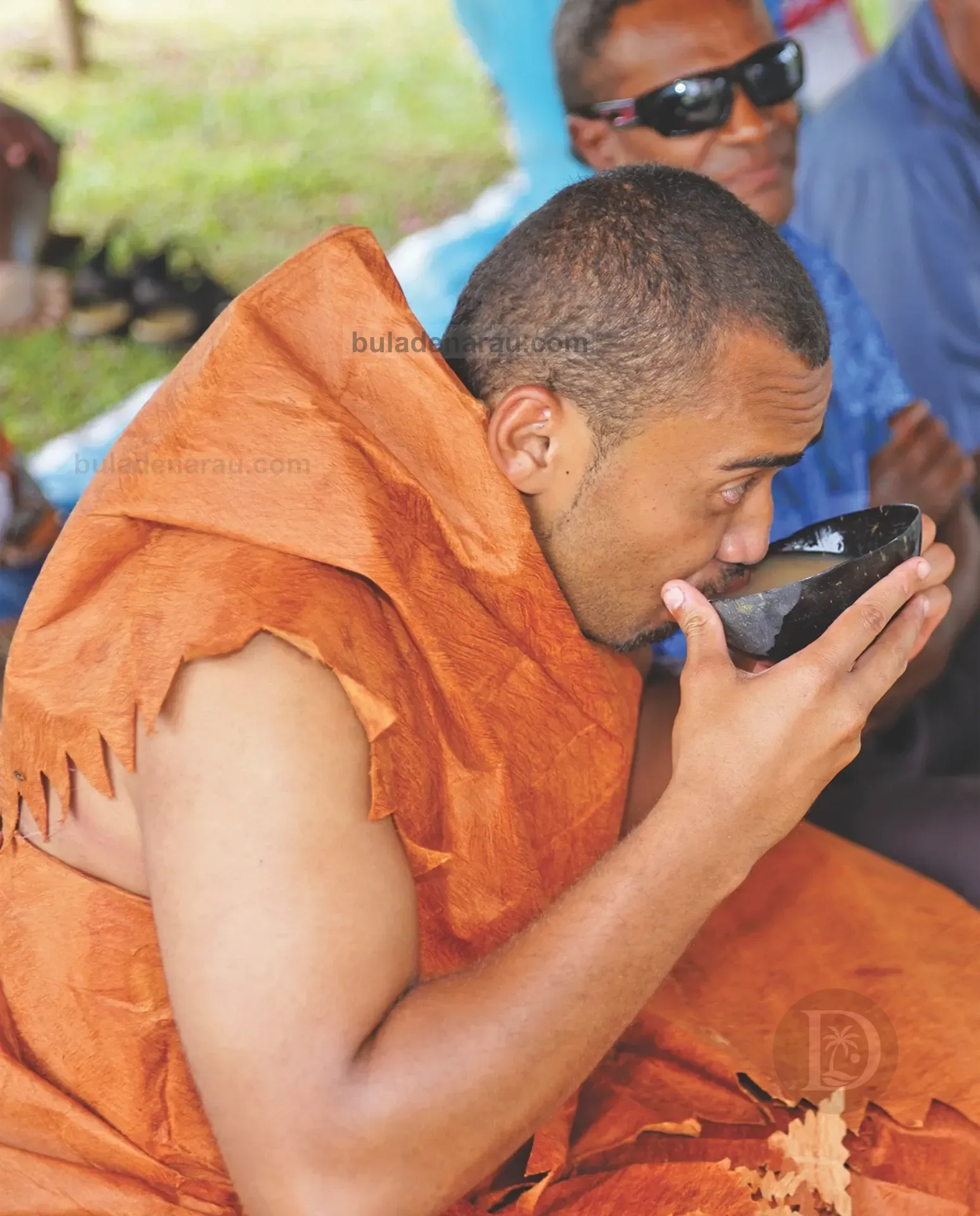
- Hold the bilo, say “Bula” to the group, and drink in one draught.
- Hand the bilo back and clap three times with cupped hands.
- For subsequent servings, follow the same routine (minus the “Bula”).
The fact is that in real Fiji, apart from the formal ceremonials, the ritual that matters most isn’t on a beach tour or in a resort photo. It happens in villages, workplaces, and homes all across the islands as people bring out the tanoa or basin and ‘mix’. Ubiquitously and affectionately, it is called “grog,” borrowing a colonial word for strong drink. But here it’s something deeper: a quiet, daily ritual that binds real Fiji life more tightly than any landmark.
Consumed at an optimal level, yaqona calms and relaxes, inducing a sense of well-being and talkativeness. Taken in excess, it can lead to stupor.
Writing in 1858, Reverend Thomas Williams noted that heavy drinkers often developed a skin condition known as kanikani—characterized by rough, dry, peeling skin. While described as a disease in the past, it was often seen as a sign of distinction for those who could afford to drink deeply. You need not worry about this from a few casual bowls!
*From A.B. Brewster, THE HILL TRIBES OF FIJI, 1922, P18.
Audio acknowledgement
Audio: G.K. Roth Collection, Museum of Archaeology and Anthropology, University of Cambridge. George Kingsley Roth served in the British colonial administration in Fiji from 1928 until 1957, eventually rising to the position of Secretary for Fijian Affairs. He held a Master’s in Anthropology from Cambridge University, England and was instrumental in creating the Central Archives of Fiji in 1954 to ensure the colony’s history wasn’t lost.
HTML