For partnership and business-related enquiries, please get in touch.
Fiji’s Moli Tea
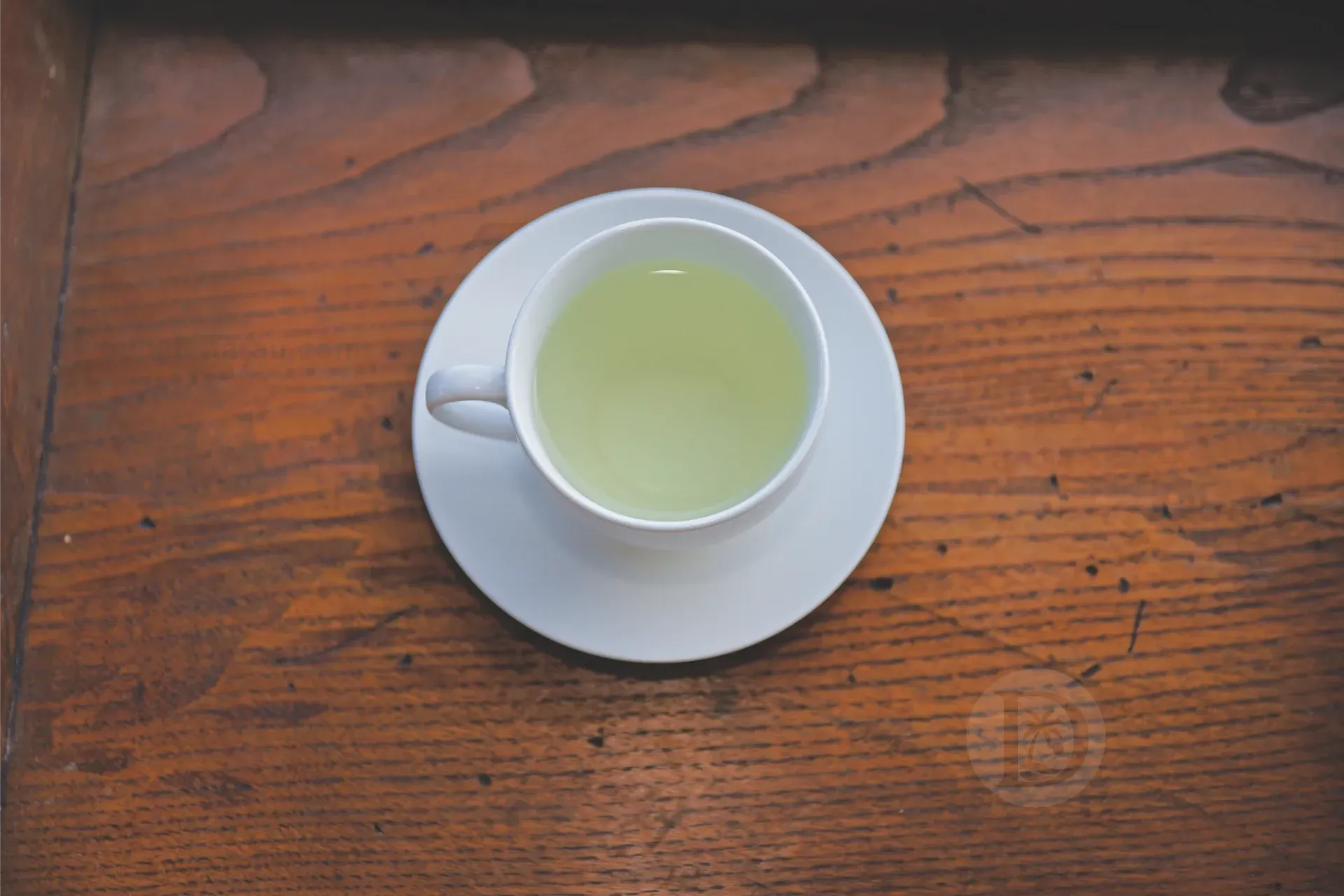
Moli tea. It is quintessentially Fijian. Pretty much everybody in Fiji partakes in the simple pleasure of moli tea. Available to all it is a free healthy subtle delight.
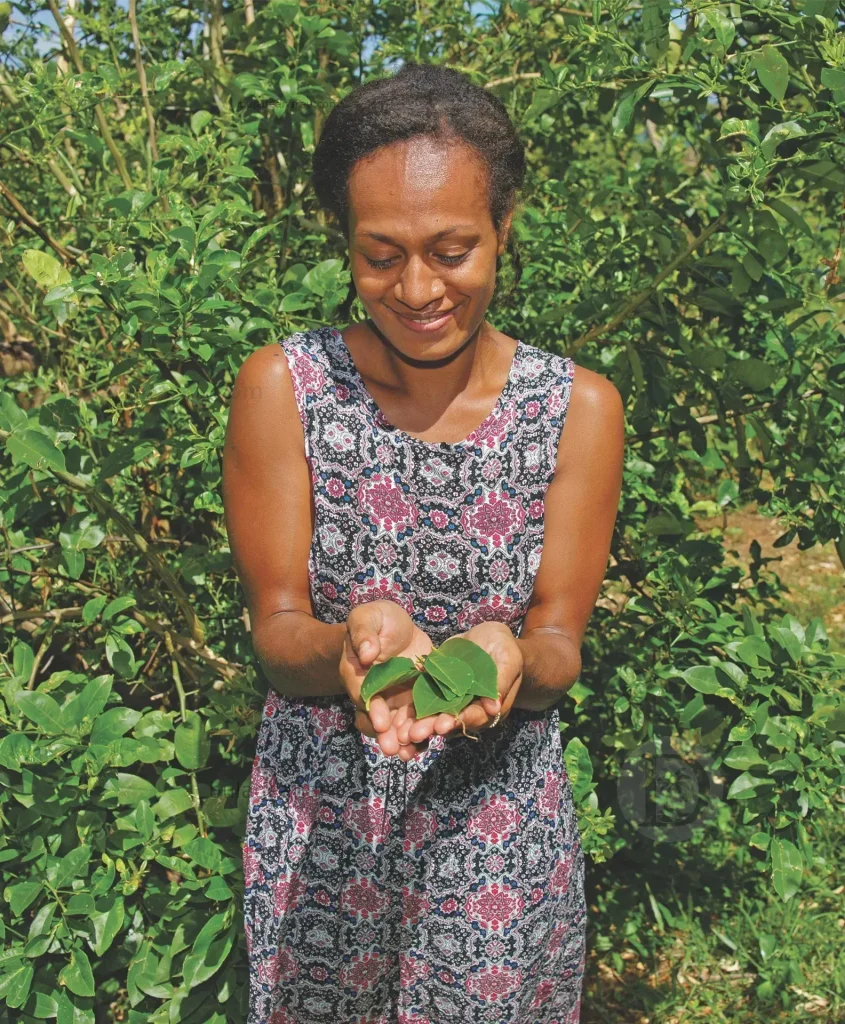
Moli is the iTaukei name for all things citrus such as: lemons, limes and mandarins. Each fruit has its own name to identify it and that name applies to its many constituent parts. In other words the name can identify the tree, the leaves, the fruit and the juice depending on the context of the conversation.
Molitrees are hardy and highly valued. The fruit is used extensively. The juice is a great source of vitamin c and is used to make lemonade and added to flavour dishes such as rourou,which is dalo or taroleaves cooked in coconut cream; and meti, which describes a dish where different foods are mixed with uncooked coconut cream, for example cooked fish and vegetables. When fish is marinated in lime juice and then added to coconut cream you get the famous Fijian kokoda, pronounced kokonda.
A very common daily use of moli is to make moli tea from the leaves of lime trees. Moli tea may be made from any type of citrus depending on the type of trees available and individual preferences. Personal taste also determines what leaves are selected with lime being the most popular.
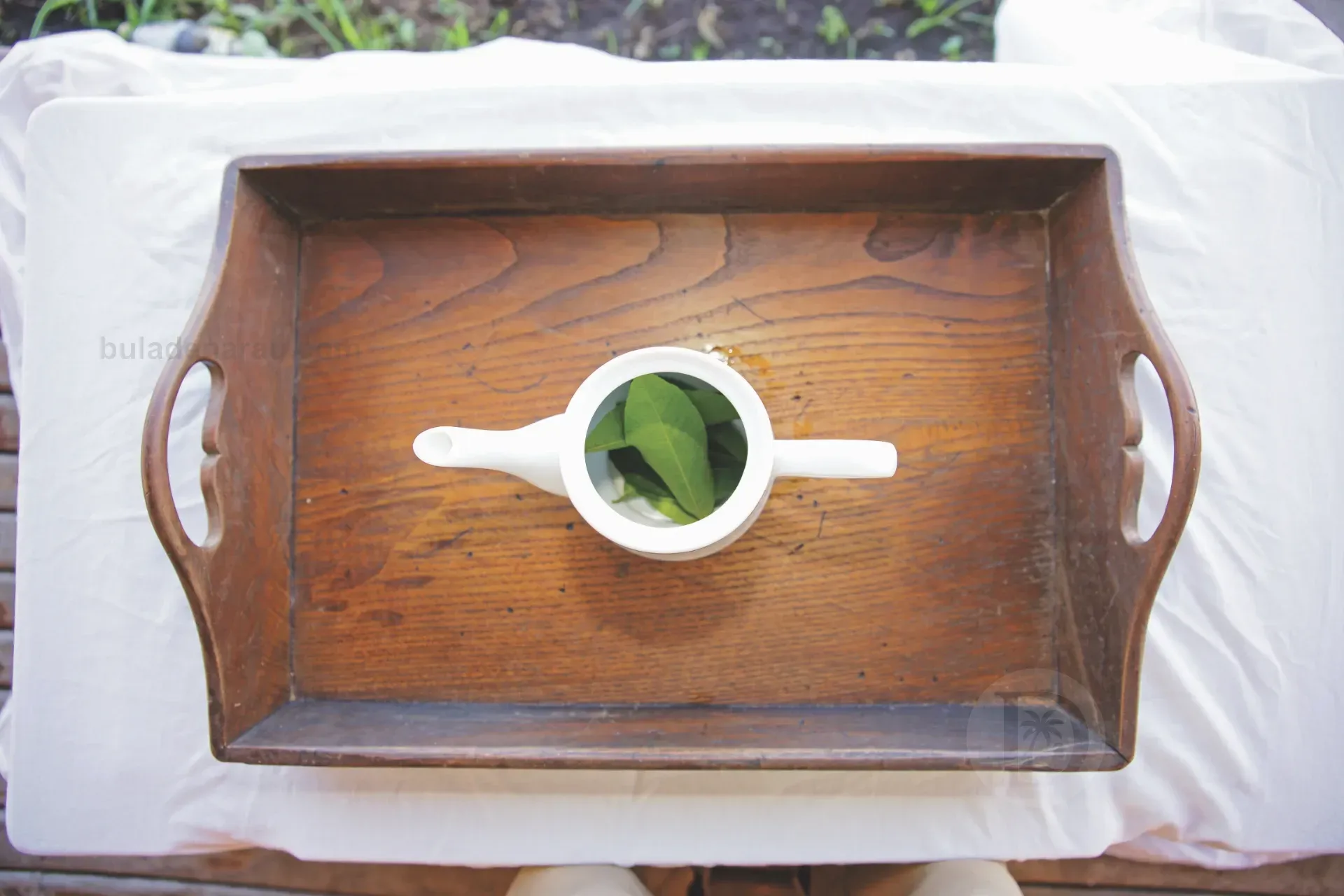
There are some more complicated recipes for moli tea but the tea is usually simply made. The selected leaves are picked and put into a pot, freshly boiled water is poured over them and they are left to seep or draw for the desired time.
The tea is served, either as is, or more usually here with sugar; the people of Fiji tend to have a high regard for sugar. Some also add milk to their moli tea, which may very well beg the question ‘why not just have a cup of ordinary tea?’ Well simply put, for Fijians moli tea is just as much an ordinary tea as any other sort of tea.
If you wish to try a simple and easy sample of Fijian culinary culture why not ask for a cup of moli tea. It is light and refreshing, perfect at any time of the day. Enjoy!