For partnership and business-related enquiries, please get in touch.
Papaya
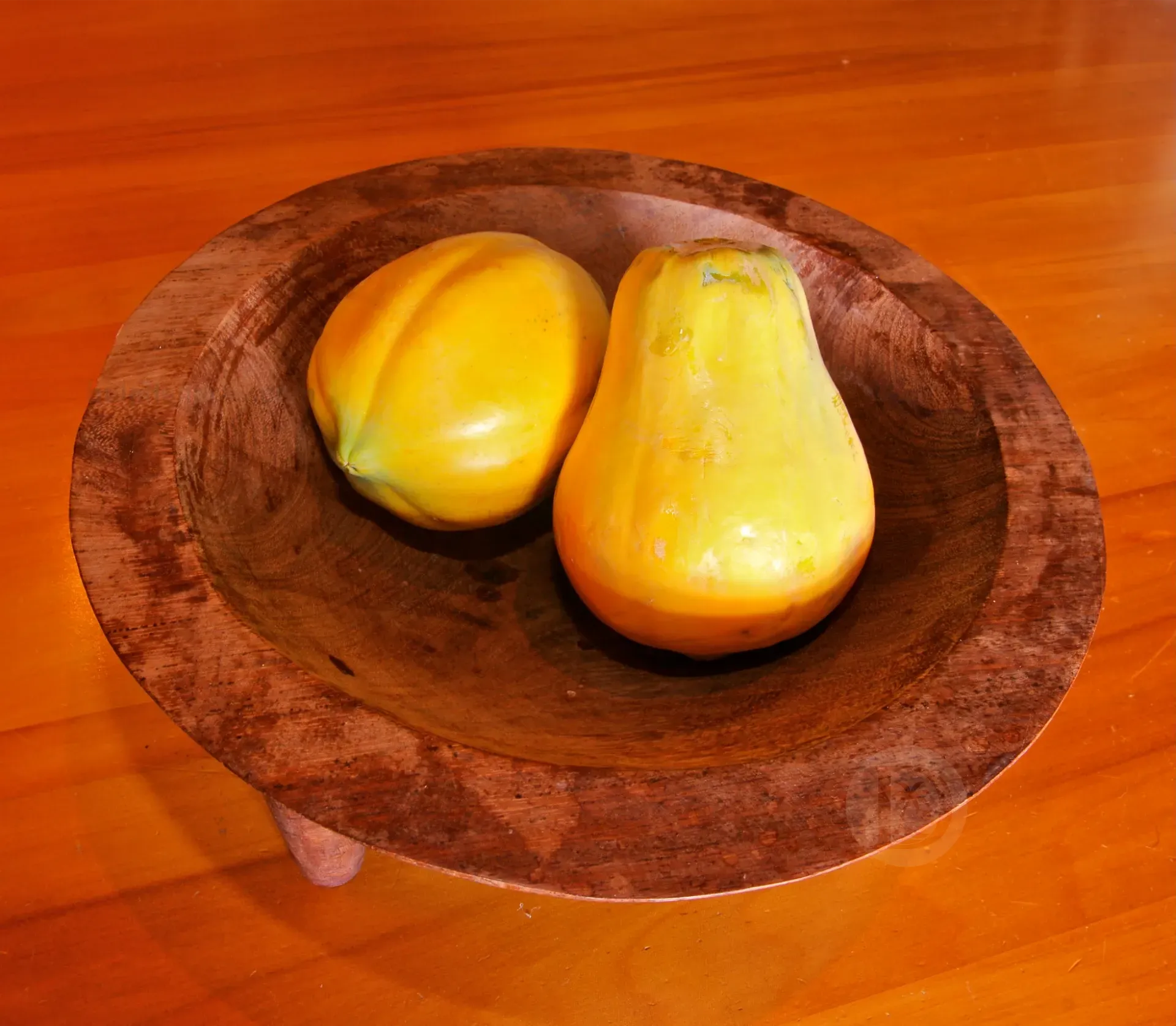
Papaya is commonly known in Fiji as pawpaw, however it is actually papaya. It is a native of tropical America. Early voyagers, missionary societies, colonial settlers or the British Colonial Government probably introduced it to Fiji during the 1800s. Whoever did it picked a real winner. It thrives here, is very very popular and forms part of many gardens and plantations as well as thriving as a wild crop. It is also harvested and sold as a cash crop in local markets.
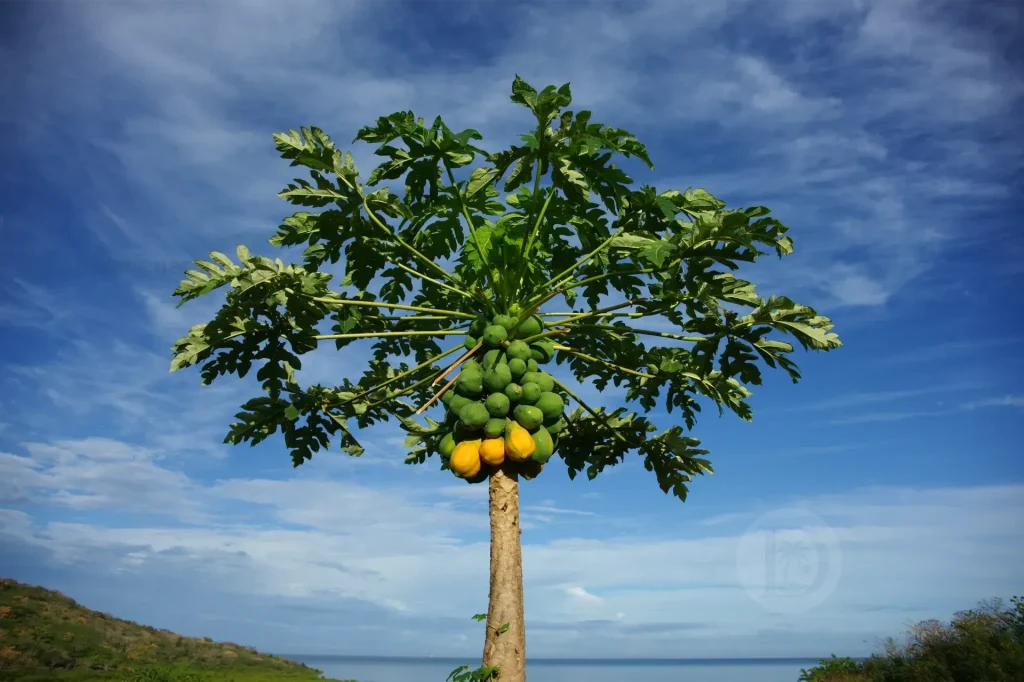
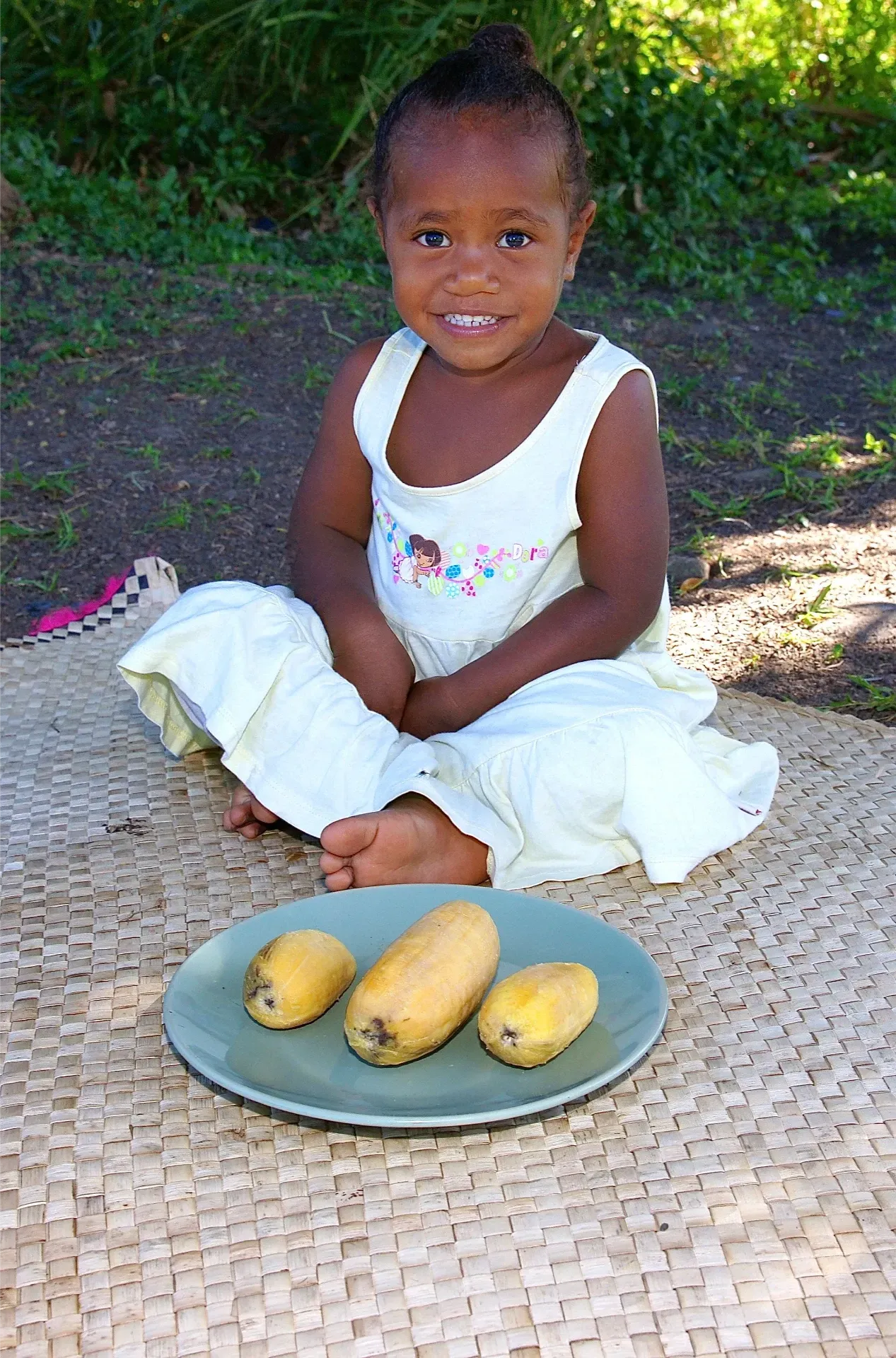
Its Fijian name is weleti, and there are many different varieties to be found here. Some are more prized for their size and some for their taste; as always, beauty is in the eye of the beholder. The ‘Hawaiian’ varieties are most popular and desired for their sweetness. Bigger fruit varieties are prized because there is more flesh, and some seem to make a better curry. Yes, curry, cooked with the flesh of the papaya while it is still green and usually eaten with roti, is a tasty dish.
Worldwide papaya is a much-relished fruit. According to some sources it is the third most popular fruit in the world behind only mango and pineapple. It grows wild here all year round, thriving in places with good soil and ample water. It is also grown commercially for domestic and export markets.
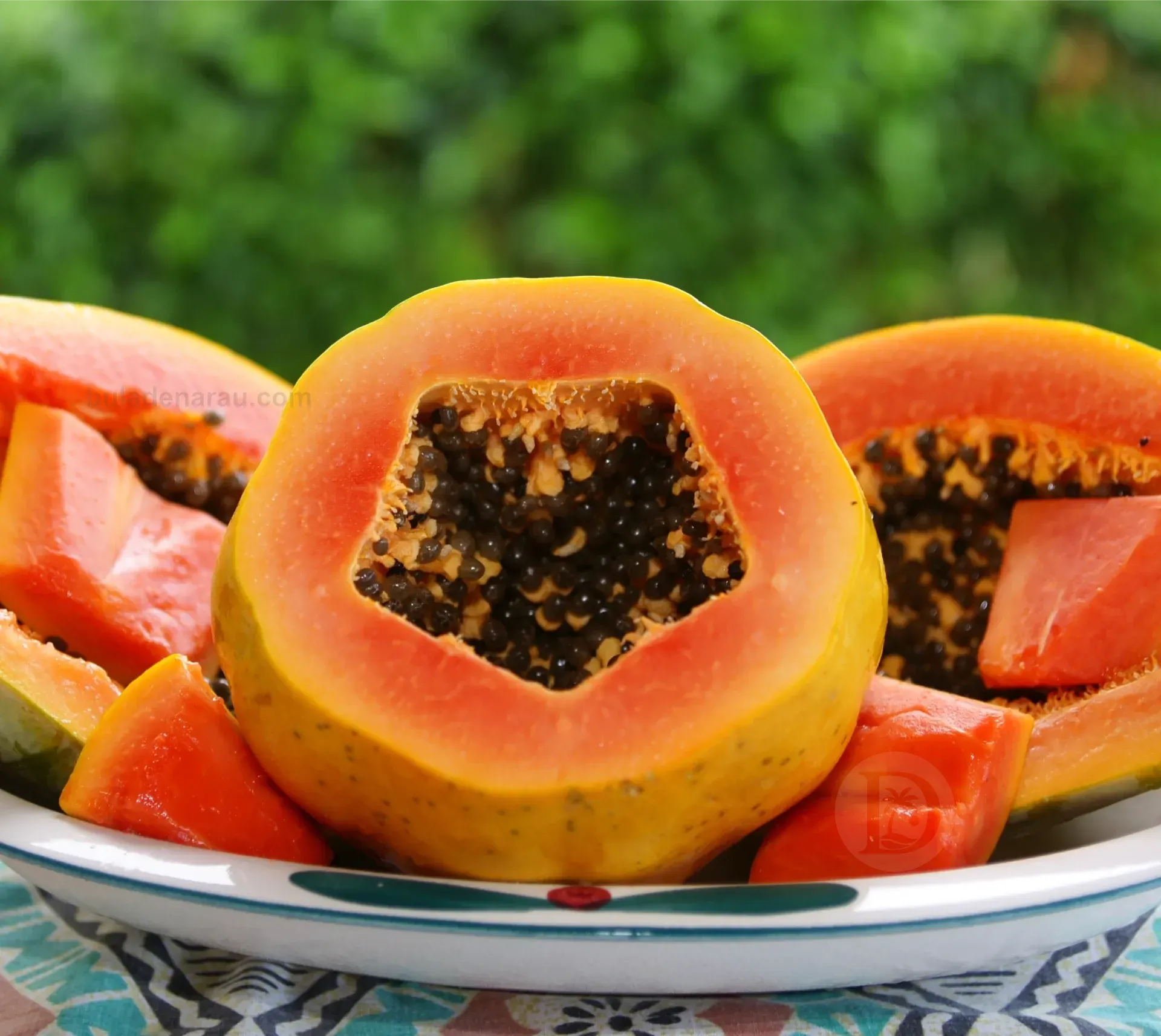
Not only does papaya taste good but it also packs a nutritional punch containing good fibre, anti-oxidants and vitamins. The fruit contains small black seeds, which although edible, are usually discarded.
In any event, quite apart from being good for you, a slice of papaya, with or without a squeeze of fresh lime juice makes an outstanding taste-treat at any time of the day.
Papaya is a favourite feature of resort breakfast menus and activity operators’ lunches. The place to get papaya for yourself is at your local market.
To view the photos in a specially set gallery, tap on any one of them. It will pop up, and you can then cycle through all of them.