For partnership and business-related enquiries, please get in touch.
Vudi: Fiji’s Plantain & the Vudi Vakalolo Recipe
In a nutshell:
- Vudi is the Fijian name for plantains – a starchier, larger cousin of the banana, eaten raw when ripe or boiled when unripe.
- It’s a Fiji staple food, grown in village gardens across the islands and sold year-round in local markets alongside dalo, yams, and cassava or tavioka.
- Vudi Vakalolo is a classic Fijian village comfort dish: ripe plantains slow-simmered in a rich, sweet coconut cream sauce.
- Don’t confuse Vudi Vakalolo with cassava Vakalolo – they share a name but are two very different dishes.
What Is Vudi? Fiji’s Kind of Native Plantain Explained
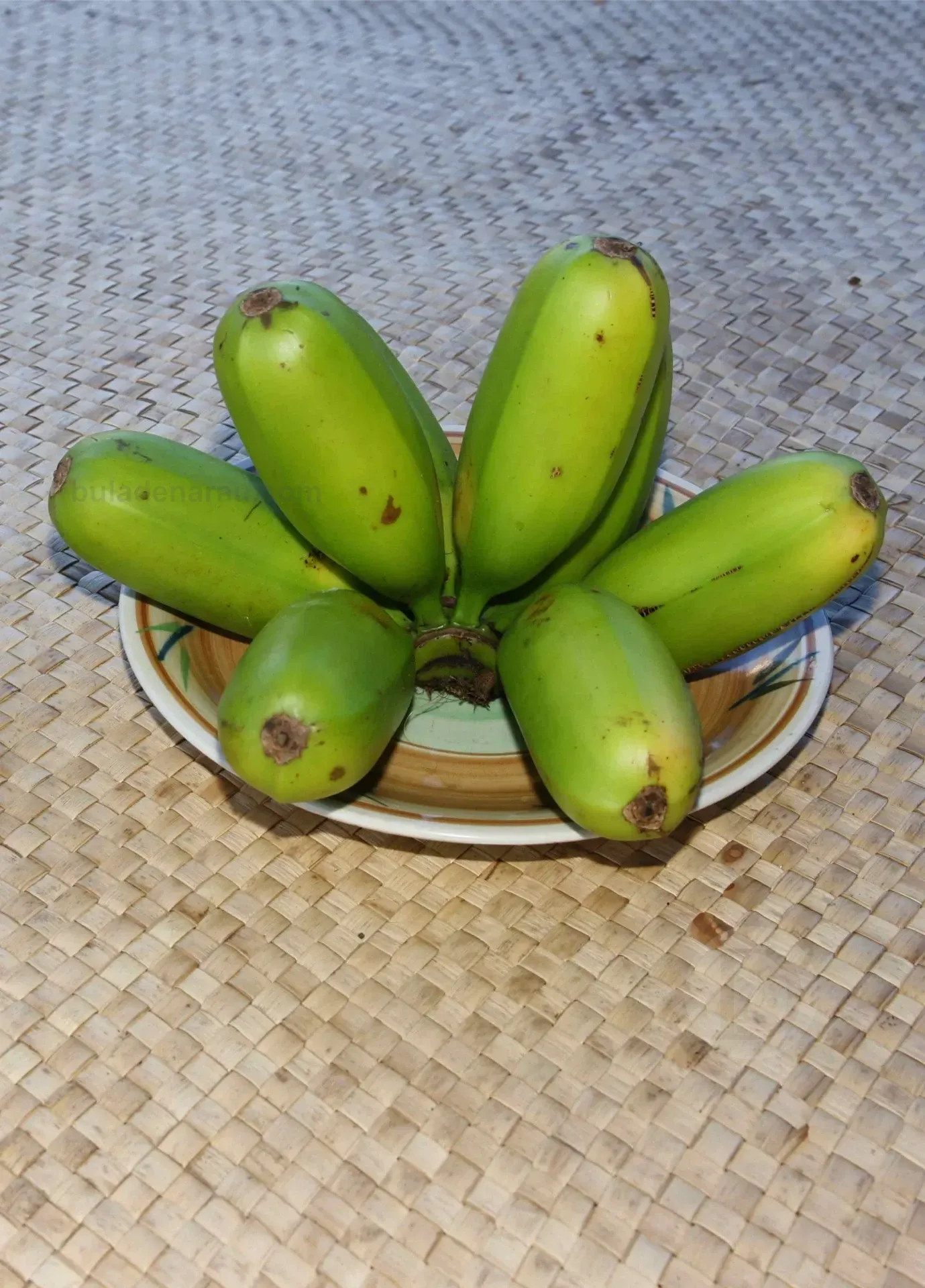
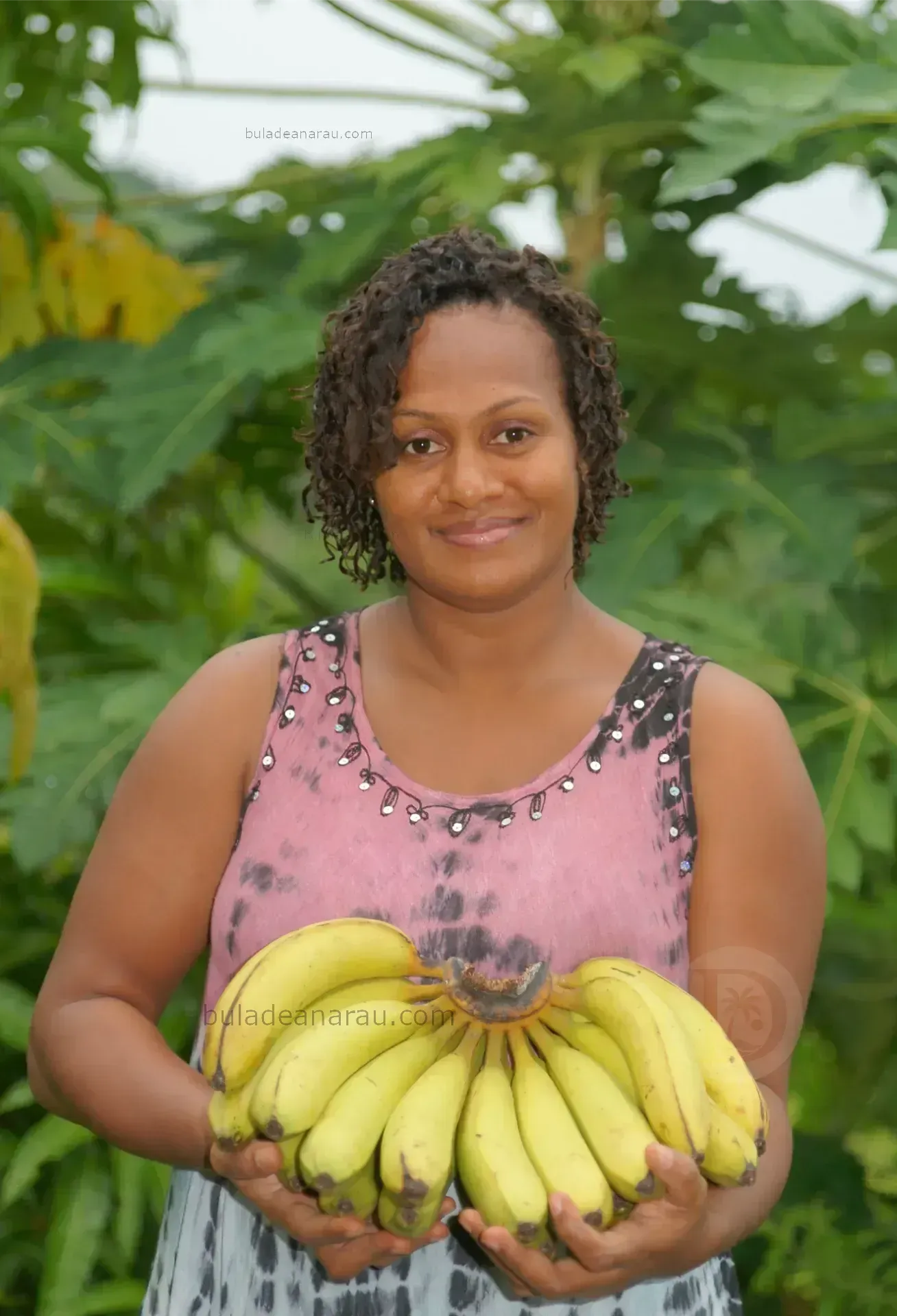
Vudi is the Fijian name for plantains. A member of the same family as bananas, this Fijian plantain is a nutrition powerhouse – packed with potassium, vitamin A, vitamin C, magnesium, and dietary fibre. It was introduced to Fiji by its intrepid early settlers.
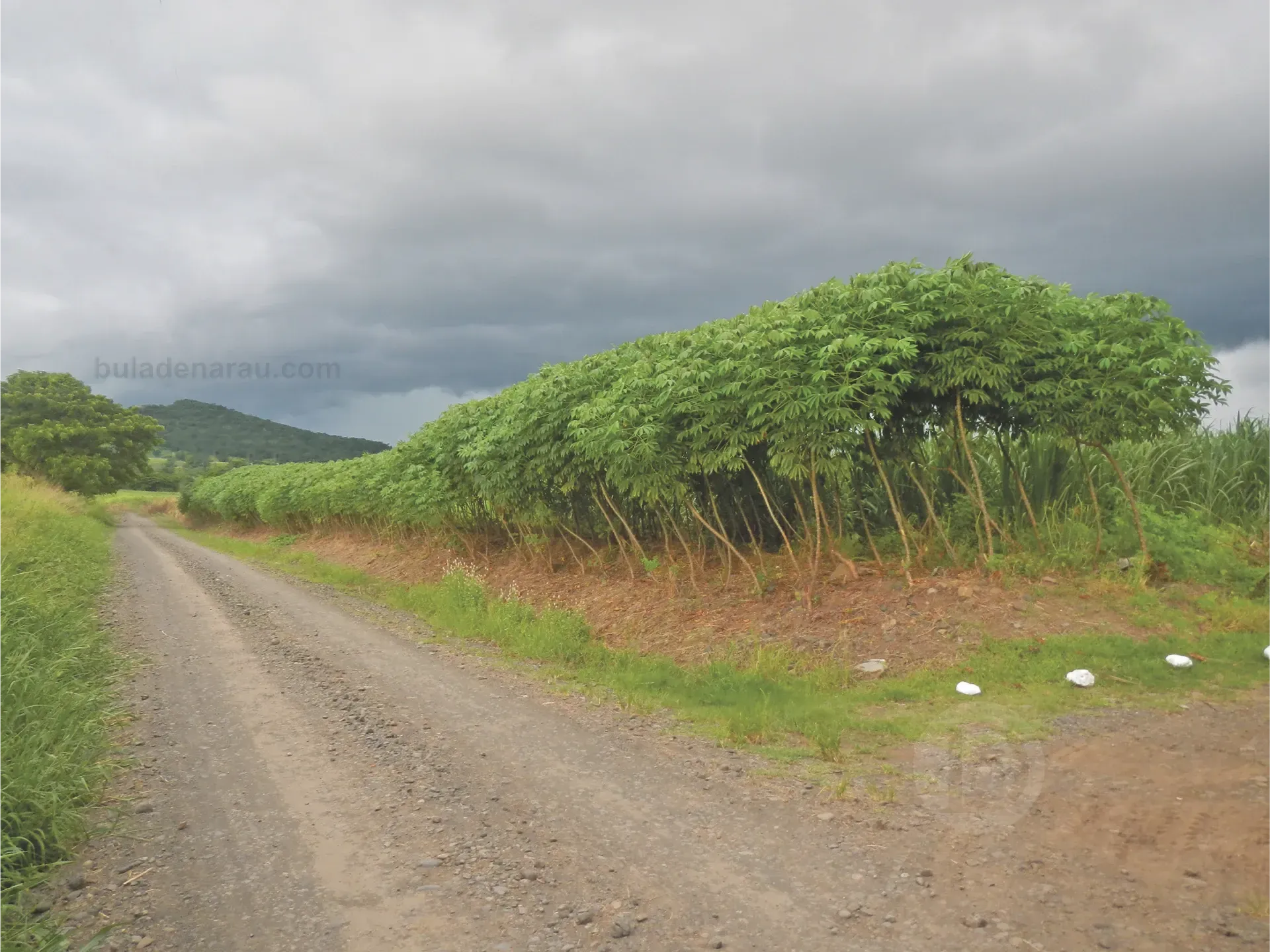
Eat it raw when it’s ripe and sweet. Boil it while it’s still unripe and savoury. However you meet it, vudi delivers. It forms one of the great staples of the Fijian diet, sitting alongside root vegetables like yams, dalo, and tavioka (cassava) as a daily source of energy and sustenance.
Think of it as the potato of the Pacific – starchy, filling, endlessly versatile, and deeply woven into the rhythm of island life. In the traditional food chain of Fiji, it sits with its brother starch dalo.
Vudi vs. Regular Banana – What’s the Difference?
They look alike. They’re related. But they’re not the same thing.
- Vudi is larger and starchier than a common dessert banana.
- Unripe vudi is firm and savoury – best boiled or cooked.
- Ripe vudi turns sweet and soft, perfect for desserts like Vakalolo.
- Overripe vudi – dark, spotty, almost black – can be fried in a little butter, just like an overripe banana.
The key difference is texture and sugar content. Vudi holds its shape when cooked. It doesn’t turn to mush. That firm, starchy quality is exactly what makes it so useful in Fijian cooking.
Varieties of Vudi Grown in Fiji
Several varieties of vudi are cultivated across Fiji’s islands, from the main island of Viti Levu to the outer island groups. You’ll find them growing in home gardens, along village paths, and in small plantations. Some varieties are valued not just for eating but for their traditional medicinal properties. The plants fruit year-round, making vudi one of the most reliable and accessible crops in the Fijian garden.
Vudi in Fijian Village Life
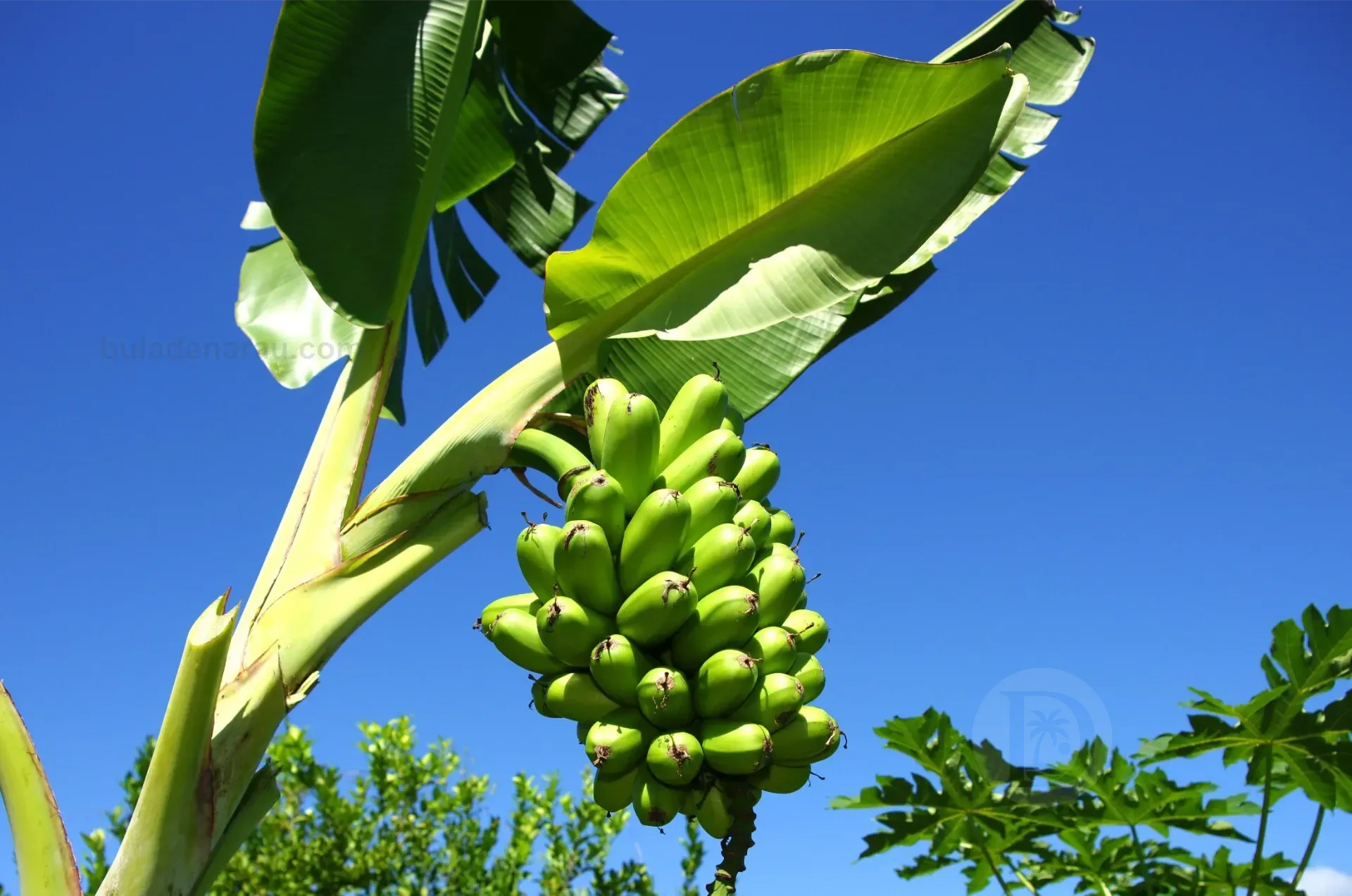
Step into any Fijian village garden and you’ll likely find vudi growing somewhere – broad green leaves catching the morning light, heavy bunches hanging low. It’s not a showpiece crop. It’s a working one. Humble, generous, and always there.
As fijian traditional food, vudi sits at the heart of the everyday table. Not just for feast days or ceremonies – for Tuesday lunch, for a child’s afternoon snack, for the pot that’s always simmering. It belongs to the same family of fijian foodstaples as dalo, yams, and tavioka: the roots and fruits that have fed these islands for generations.
From the Garden to the Market
Vudi grows in home gardens across Fiji, tended quietly alongside other staples. It fruits year-round, which makes it something rare and valuable: a fiji staple food that doesn’t wait for a season.
Walk through any local produce market – Nadi, Suva, Lautoka – and you’ll find bunches of vudi stacked on tables, green and yellow and occasionally almost black. Sold by the bunch, priced simply, bought by people who know exactly what they’re going to do with them.
How Fijians Eat Vudi – Raw, Boiled, and Beyond
Vudi may be eaten on its own or as an accompaniment to any main meal. It goes well with a dish made from cooked dalo leaves and coconut cream, perhaps with boiled fish. Or with uncooked coconut cream and parboiled bele, a green leaf vegetable – or pretty much anything, really.
The overripe fruit can be fried in a little butter like bananas. The plants fruit year-round, making vudi a reliable source of carbohydrates and fibre. It’s grown and eaten at home and sold in local markets.
Vudi Vakalolo – Fiji’s Classic Village Recipe
It is a classic Fijian Village comfort dish. While many people understandably associate”Vakalolo” with the famous cassava-based pudding, Vudi Vakalolo specifically uses vudi (plantains) cooked in a rich, sweet plantain coconut cream sauce.
Warm. Fragrant. The kind of dish that fills a room with the smell of caramelised sugar and coconut. It’s simple to make and deeply satisfying – a recipe that asks very little of you and gives a great deal back.
Ingredients (feeds 4–6)
- Vudi: 4–6 ripe plantains (vudi), peeled and sliced into thick rounds.
- Coconut Cream: 2 cups of thick coconut cream (fresh is best if you can get it) but if not get good quality canned coconut cream.
- Sugar: 1/2 to 1 cup of brown sugar (adjust based on how sweet you like it).
- Water: A small splash to help the sugar melt.
- Optional: A pinch of salt to balance the sweetness.
Method
- Prepare the Vudi: Peel the plantains and slice them into 1-inch thick pieces.
- Make the Caramel/Syrup: In a heavy-bottomed pot, add the brown sugar and a splash of water over medium heat. Let the sugar melt and begin to caramelize slightly (keep a close eye so it doesn’t burn).
- Add the Coconut Cream: Carefully pour the coconut cream into the caramelized sugar. Whisk gently so the mixture becomes a smooth, light-brown, velvety sauce.
- Cook the Vudi: Gently place the sliced vudi into the coconut sauce.
- Simmer: Reduce the heat to low. Cover the pot and let it simmer gently for 20–30 minutes, or until the vudi is soft, tender, and has “swum” in (absorbed) the coconut sauce.
- Note: You don’t want to stir it too aggressively, or the plantains will break apart. Just let them poach in the rich sauce.
- Serve: Serve warm in a bowl with plenty of the coconut sauce spooned over the top.
A Note on “Vakalolo”
Readers often confuse Vudi Vakalolo with Cassava Vakalolo. In Fiji, vakalolo describes the technique of adding coconut cream to a base ingredient, so the word itself doesn’t tell you which dish you’re getting.
Vudi Vakalolo is a stewed plantain dessert: soft, sweet, saucy, eaten warm from a bowl.
Cassava Vakalolo is something else entirely – a steamed cassava pudding, dense and chewy, wrapped in banana leaves, optionally also flavoured with ginger and spices.
Both are delicious. Both are genuinely Fijian. But they’re not interchangeable, and knowing the difference means you’ll always get what you’re actually craving.
Frequently Asked Questions About Vudi
What is vudi in Fijian?
Vudi is the Fijian word for plantain – a starchy, cooking-friendly member of the banana family. It’s one of the traditional staples of the Fijian diet, eaten boiled, raw, fried, or simmered in coconut cream.
Is vudi the same as a banana?
Not quite. Vudi and bananas are cousins. Fijians love their food! They love growing it, eating it, and sharing it. More about our favourite foods, recipes, and gardens here. And don’t forget Fiji’s plentiful plantains!