For partnership and business-related enquiries, please get in touch.
Dalo food of Emperors, Chiefs, and the Common Man
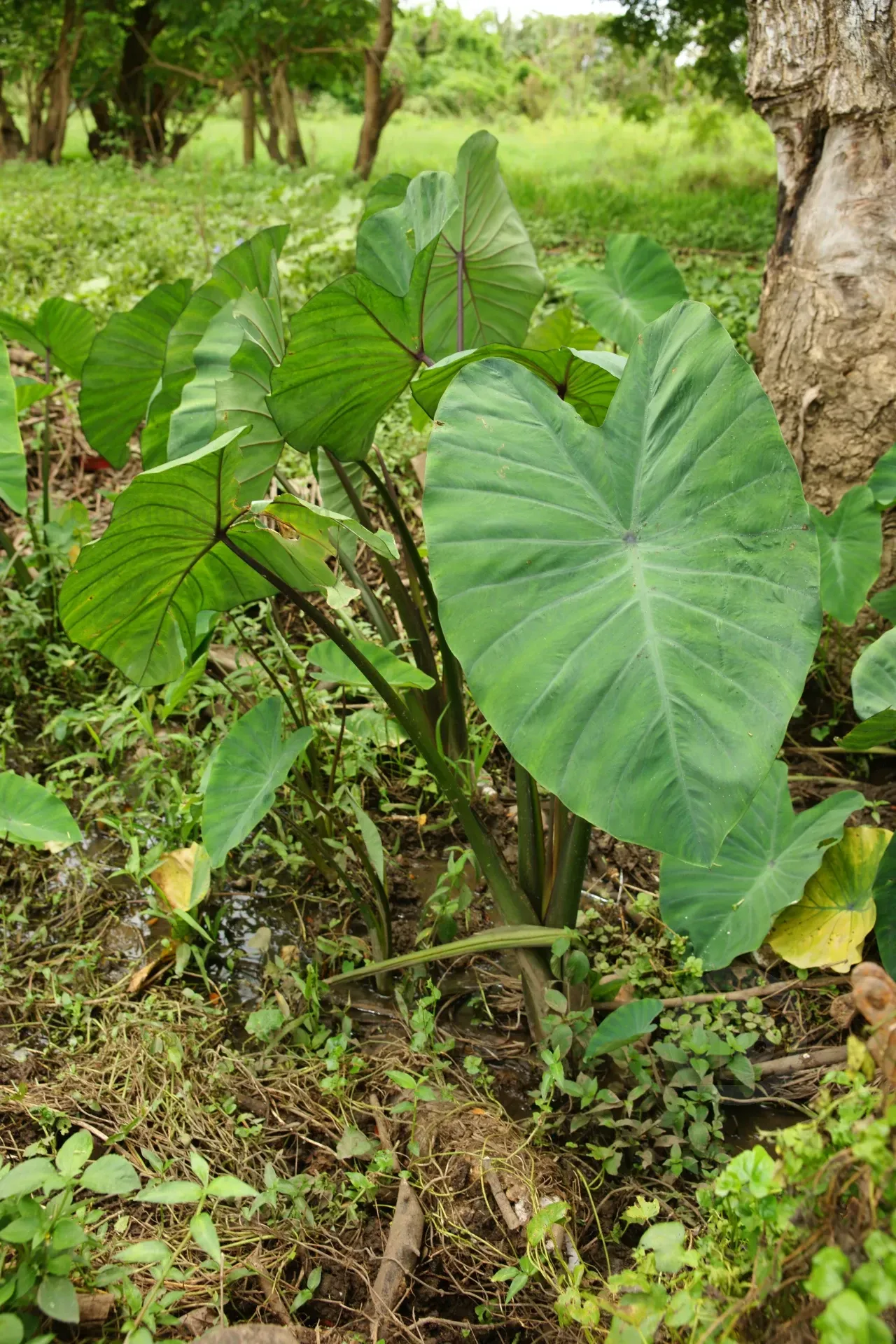
Dalo—also known as taro—is a starchy root vegetable and one of Fiji’s most vital traditional crops. It was introduced by Lapita settlers over 3,000 years ago and deserves the epithet of Fiji’s “staff of life.” In reverence, it remains one of the centerpieces of formal ceremonial today. This nutritional powerhouse is rich in protein, dietary fiber, and essential B and C vitamins. It is accompanied in Fiji’s food chain by its complementary starchy food vudi.
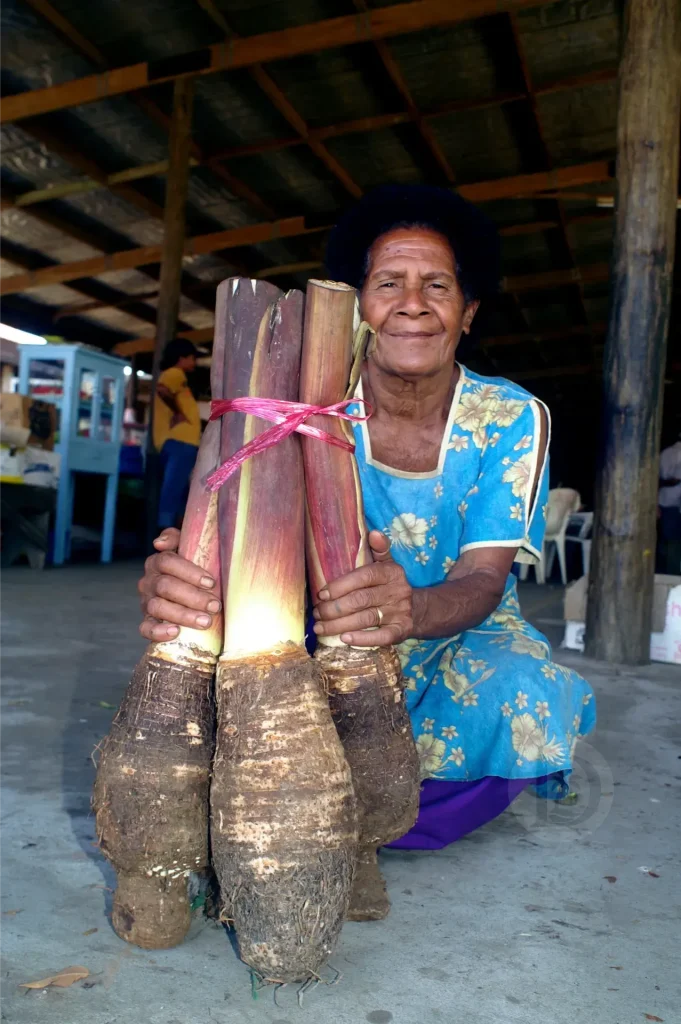
Did the Kings of Fiji and the Emperors of Rome really eat the same ambrosia? Did they both share an obsession with a life-sustaining, starchy root?
Historical Context: Early literature from the eastern Mediterranean suggests that taro reached the region during the late pre-Christian era—that is, roughly 2,500 years ago.
Coincidentally, when the first settlers arrived in Fiji over 3,000 years ago—a journey you can explore further in The Settlement of Fiji — they did not arrive empty-handed. Starch residue analysis from the Bourewa Lapita site shows that these early pioneers successfully grew dalo from the earliest times. Dalo is not native to Fiji; ergo, they brought it with them as a part of their material culture. They knew that to survive and thrive on these voyages of discovery, they needed a food source with immense nutritional density.
So the evidence is in? Dalo was present in Fiji and the Eastern Mediterranean at the same time as Kings ruled Fiji and Emperors ruled Rome.
The missionary Thomas Williams had this to say in 1859 in his famous text, Fiji and the Fijians, volume 1, pages 48 and 49.
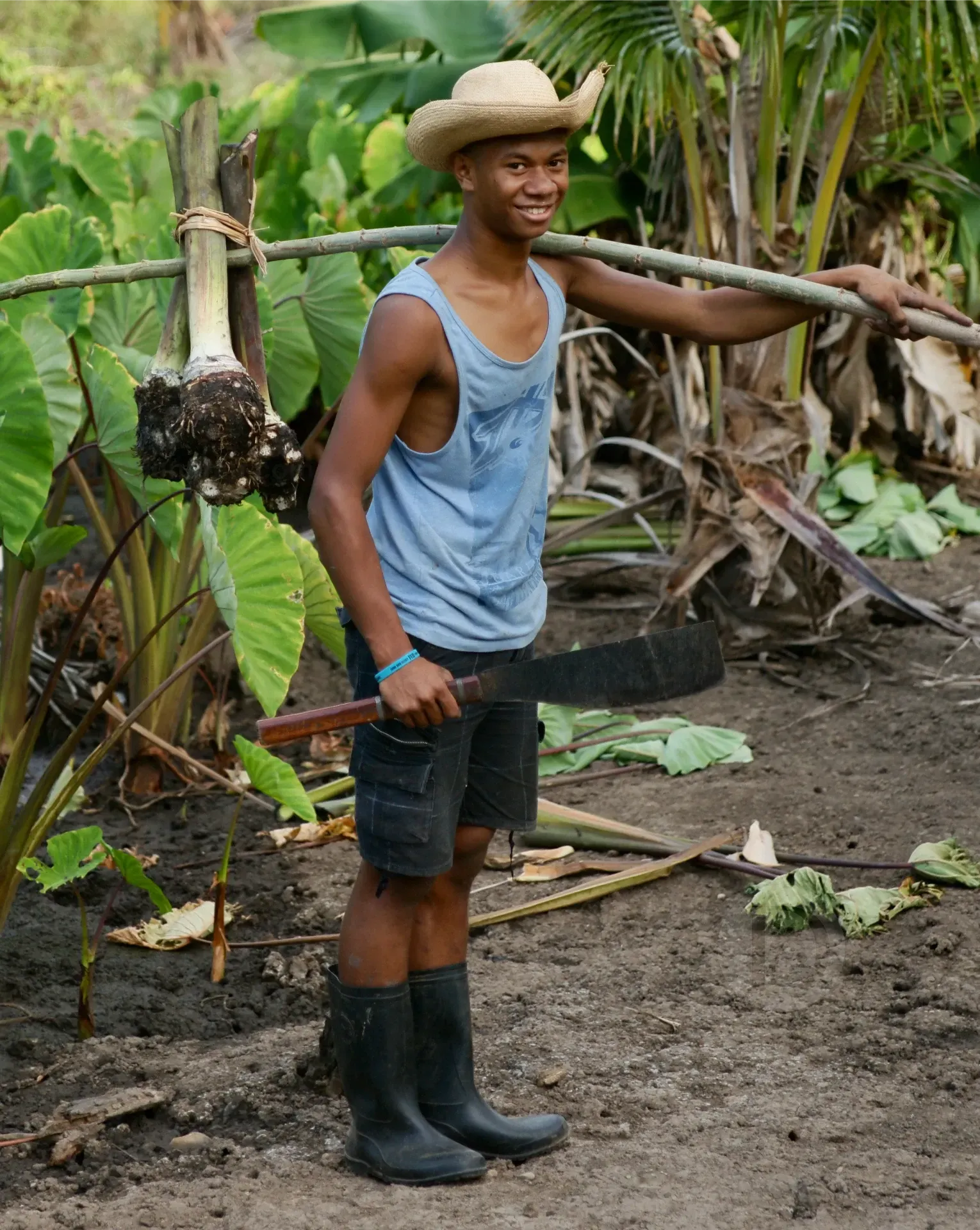
“Dalo [Arum esculentum] is the taro of sea-faring men, and the Fijian’s ‘staff of life,’ surpassing all his other esculents in nutritious value. One kind is grown on dry soil. Irrigated taro beds are generally oblong, and prepared with much labour. The most approved soil is a stiff, rich clay, which is worked into the consistency of mortar, and watered carefully, and often with skill. Valleys are preferred for these beds; but sometimes they have to be cut on the mountain slopes, which, when thus terraced with mature taro patches, present as beautiful a spectacle as any kind of agriculture can furnish. The deep, rich green of the broad leaves, which rise three feet or more from their watery beds in rank and file, contrasts beautifully with the profuse but irregular vegetation of the uncultivated ground. The root is oval in outline, and of a dark or light slate-colour, showing in section an appearance like finely veined marble. It is propagated by setting the tops of the ripe roots in deep holes prepared in the clay, and bringing to mind the celery-beds at home in England. In ten or twelve months the taro is fit to be drawn up, and yields well. From one to four pounds is a common weight; not unusually eight, ten, or twelve pounds. I weighed one head without the skin, and it reached twenty-one pounds and a half. The acrid taste of the raw root is removed by cooking, which renders the taro a useful and delicious food, the substitute for bread to the natives, and greatly esteemed by foreigners. As a vegetable, it is served up entire, and, made into paste, forms the chief ingredient in many native puddings. The leaves, when boiled, eat like those of the mercury, and the petiole is little inferior to asparagus.”
Typical of leafy greens, dalo leaves—known in Fiji as roro—are a powerhouse of nutrition. A 2022 review in Food Chemistry confirms taro leaves are rich in protein, dietary fiber, B-complex vitamins, and vitamin C, along with minerals including calcium, iron, phosphorus, and zinc — and credits their phytochemical compounds with antioxidative, antidiabetic, and anti-inflammatory properties. The corms themselves are prized for their high starch content and dietary fiber.
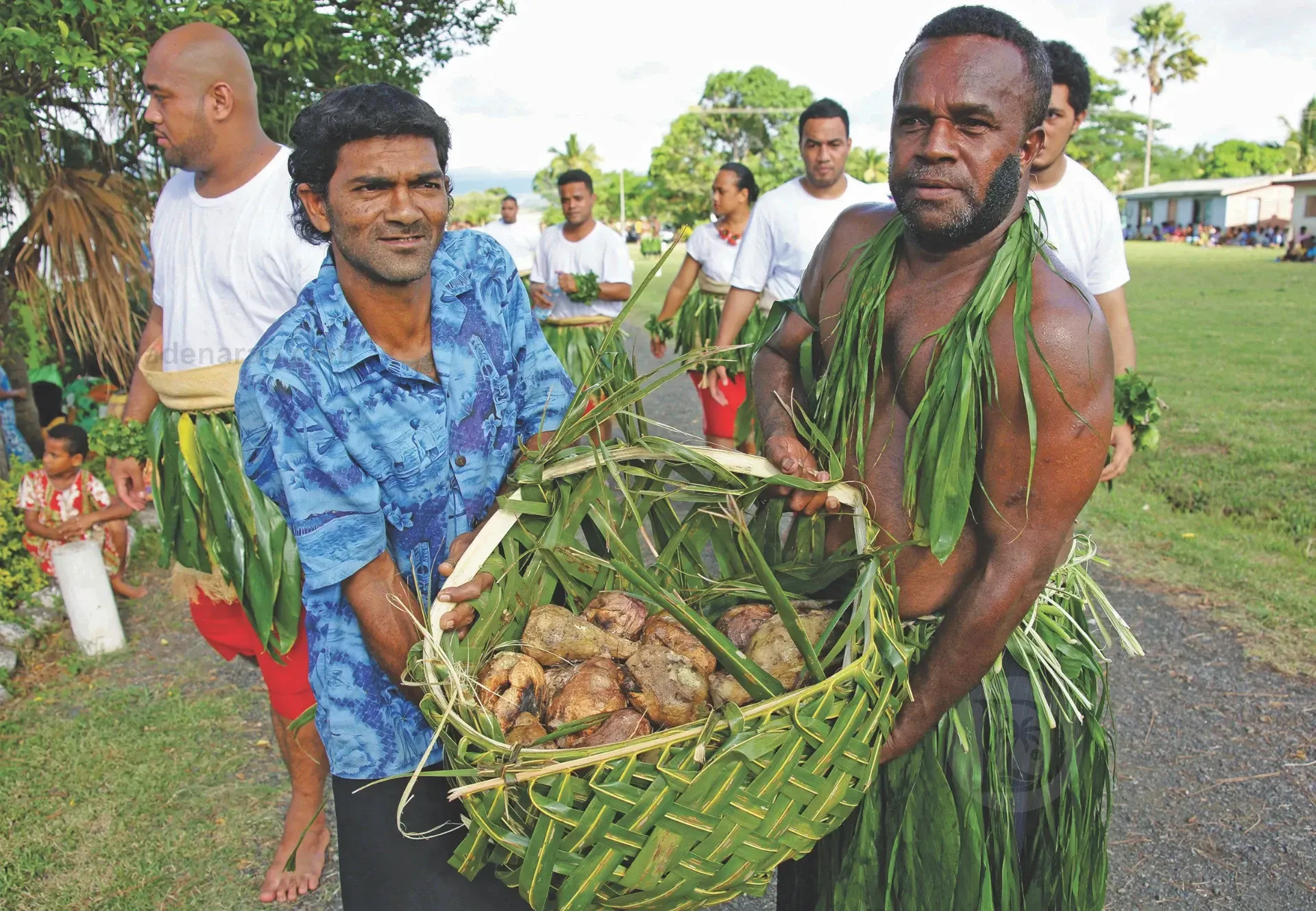
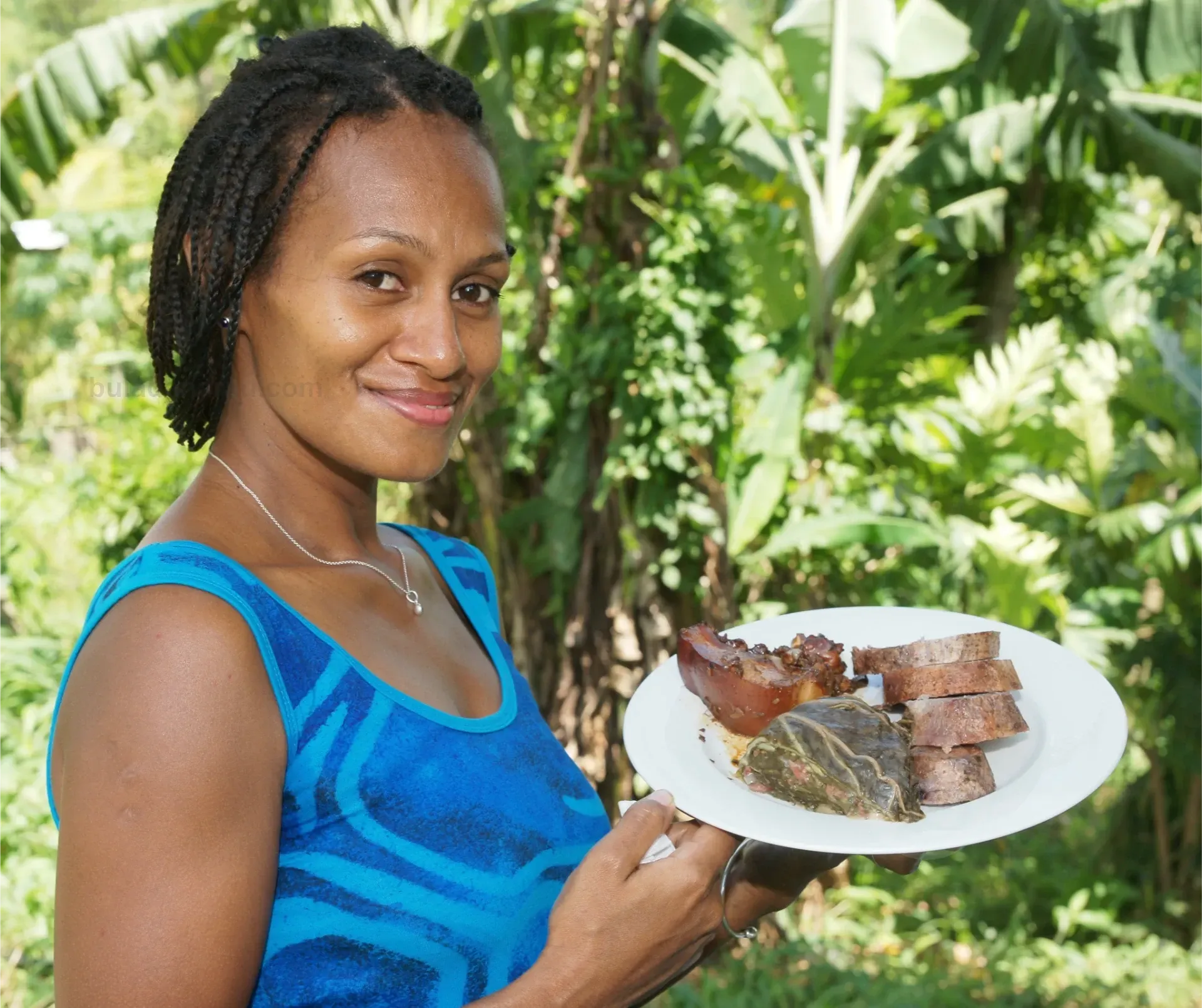
Today, as it has always been in Fiji, dalo is a “feast food,” reserved largely for Sunday meals, family celebrations, and formal ceremonial occasions. In fact, one dalo tradition remains very much as it has for millennia. When yaqona (kava) is prepared for a high chief in the yaqona vaka turaga ceremony, it is immediately followed by the presentation of lovo or earth oven-cooked foods, typically dalo and pork as an ambrosia to go with the yaqona.
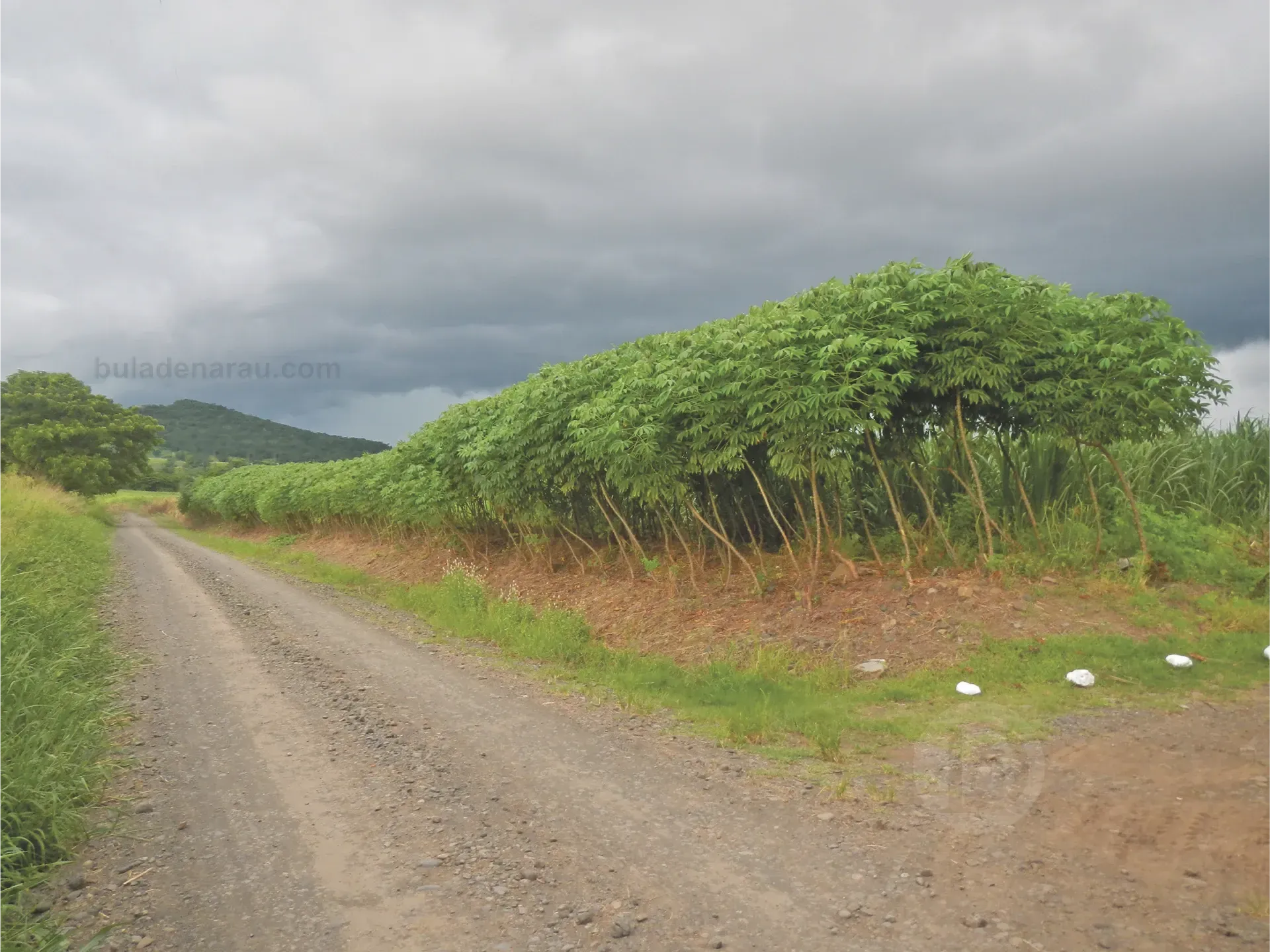
Today’s ceremonial recognition of dalo is in contrast to what has now become Fiji’s new main staple – cassava. Introduced in the early 1800s, it first formally appeared in colonial records in 1862.
Traditionally, of course, dalo is grown by hand and in an organic system, often in dedicated areas, used by generations upon generations of farmers. Today, those traditional plantations are still utilised, in village settings using local knowledge, hand cultivation, and low-input methods.
In that sense, it stands apart from more recent commercial farming systems, which tend to be larger scale, more mechanized, use commercial fertilizers, weedicides, and insecticides, and which are driven by higher yields and export markets.
It would be easy to imagine that in the past, such high-yield amounts as are seen in commercial efforts today would not have been possible—and technically, from a productivity point of view, that is no doubt correct. But what is true is that Fijian feasts have always been expressions of abundance, and when required, great efforts were directed to ensuring massive harvests, especially for them. Quoting Williams again,
“On these occasions profusion is always aimed at: waste is the consequence. At one public feast, I saw two hundred men employed nearly six hours in collecting and piling cooked food. There were six mounds of yams, taro, vakalolo, pigs, and turtles: these contained about fifty tons of cooked yams and taro, fifteen tons of sweet pudding, seventy turtles, five cart-loads of yaqona, and about two hundred tons of uncooked yams. One pudding, at a Lakemba feast, measured twenty-one feet in circumference.”
One more example of the centrality of dalo in the milieu of Fijian culture. Check out the ‘first bite’ feeding of the bride and groom by an aunt at the commencement of their wedding magiti – or feast.
There is nothing quite like the taste of dalo fresh from Fiji’s traditional earth oven or lovo. Next time you have an opportunity, I strongly urge you to try it. It may make you reflect on the Romans; it will definitely make you reflect on the Fijians!