For partnership and business-related enquiries, please get in touch.
Sugar – Fiji’s Green Gold
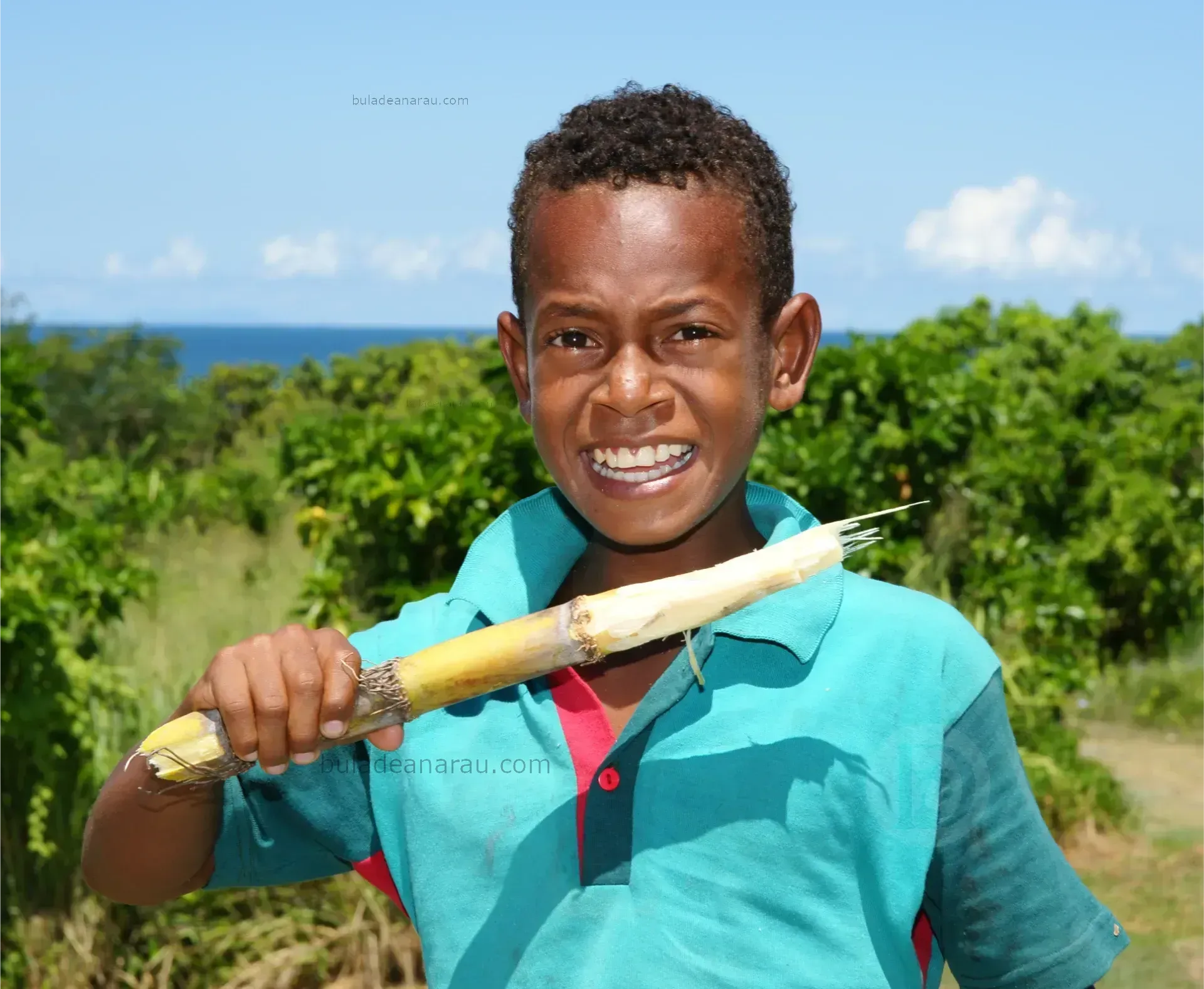
In many villages today you can still find the odd patch of an edible variety of sugarcane growing near to houses. It is the carrying on of thousands of years of tradition, of having the plant close at hand.
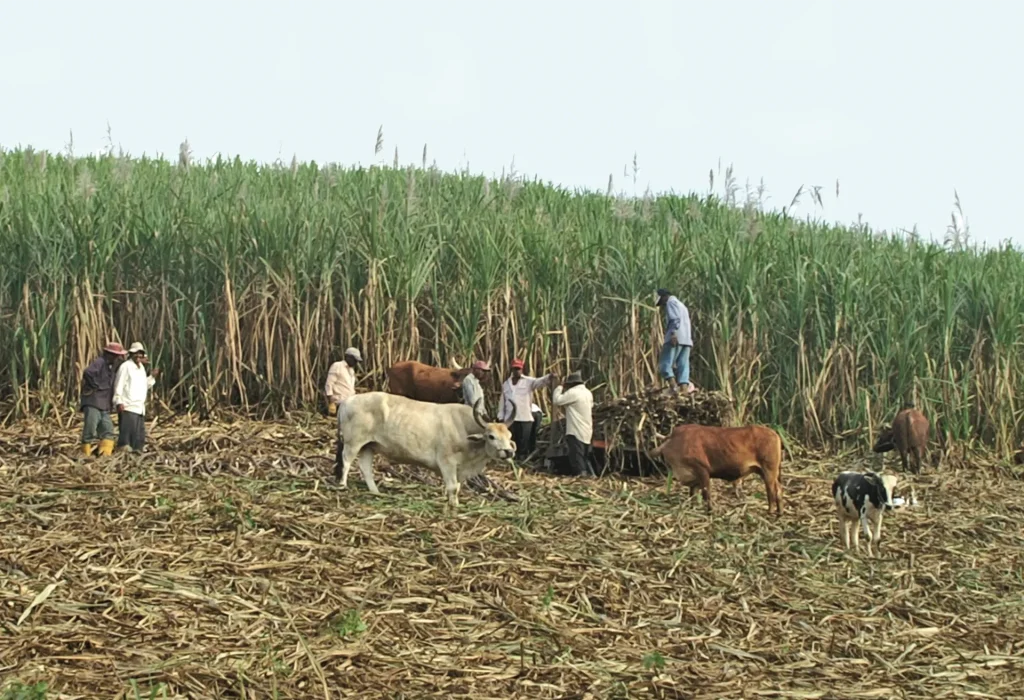
For more than one hundred years the growing and processing of sugarcane was the economic life-blood of Fiji.
The abundant sweetness of sugarcane was perhaps enjoyed by the inhabitants of Fiji more than 3000 years ago at a time when the people of Europe had to satisfy themselves with seasonal fruits and honey. It is thought that the sugarcane plant was introduced to Fiji by the intrepid voyagers who settled here thousands of years ago, either that or it is indigenous to Fiji.
In many villages today, you can still find the odd patch of edible varieties of sugarcane growing near houses. It is the carrying on of hundreds, if not thousands, of years of tradition, of having the plant close at hand.
In 1862 David Whippy converted sugarcane juice into sugar, an act that would hugely impact on Fiji’s economic and social direction for the next one hundred years.
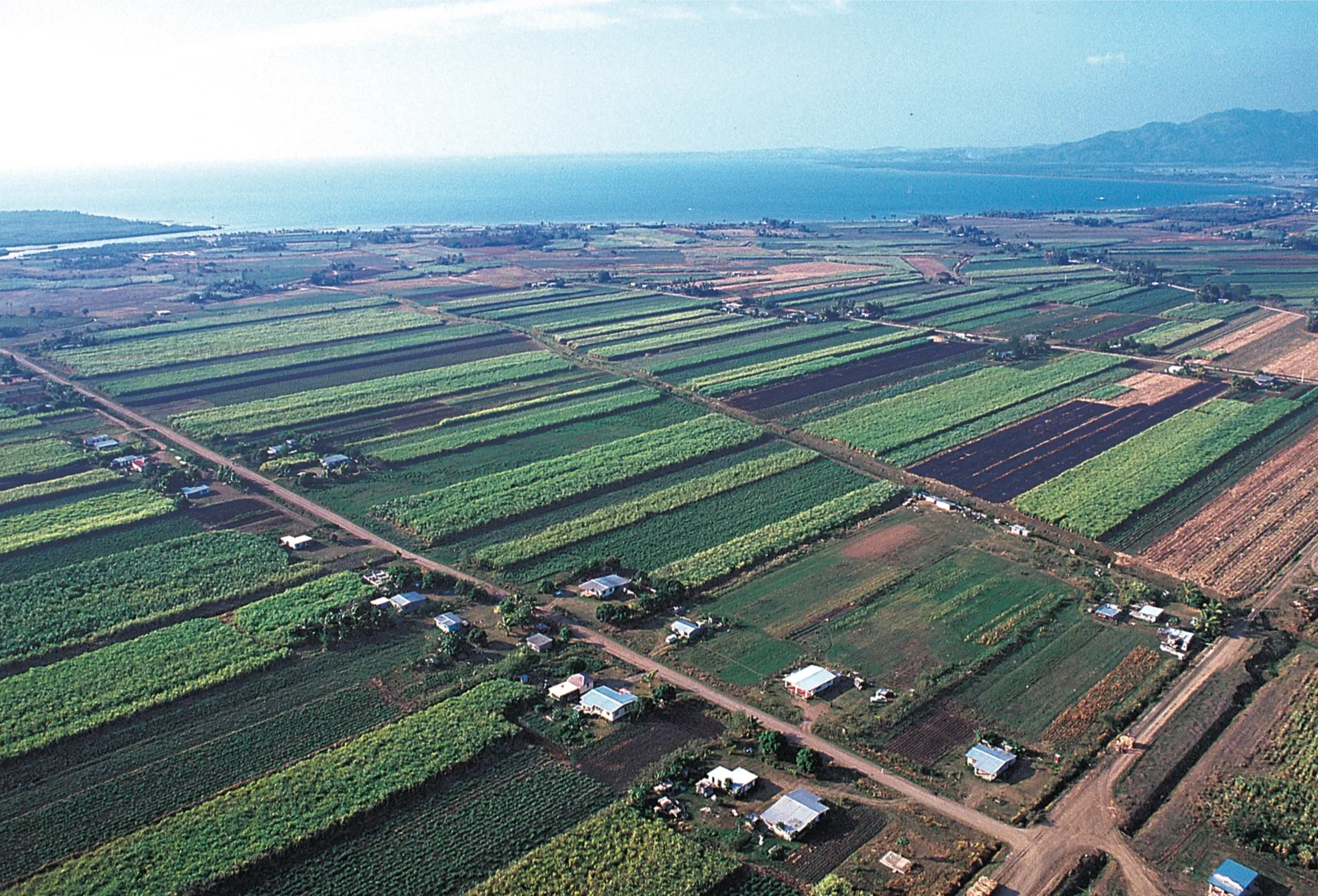
In 1874 Fiji became a British Crown Colony, through a Deed of Cession, signed by a number of leading chiefs. The colonial administration brought inter-tribal wars to an end and made the county more attractive to European settlers and commercial enterprise. One of the most promising crops was sugarcane and a number of independently owned sugar mills were established. In Australia the Colonial Sugar Refining Company, known as CSR watched developments closely. As early as 1879, CSR realized they should be active in Fiji’s emerging sugar industry. Their first foray into Fiji was in Rewain the east of Viti Levu where they secured contracts with farmers to supply them with sugarcane in the 1882 season. They also established sugarcane fields and a mill. However experience proved that Rewawas not an ideal location and that the best areas for growing sugarcane were in the west and north west of Viti Levuand in Vanua Levu.CSR identified a suitable site for location of a mill at Rarawaiin Ba.“A remote area across the mountain backbone where the only reliable means of sending a letter to the Rewais by a special messenger, at a cost of £1, a week being necessary for the trip.” *
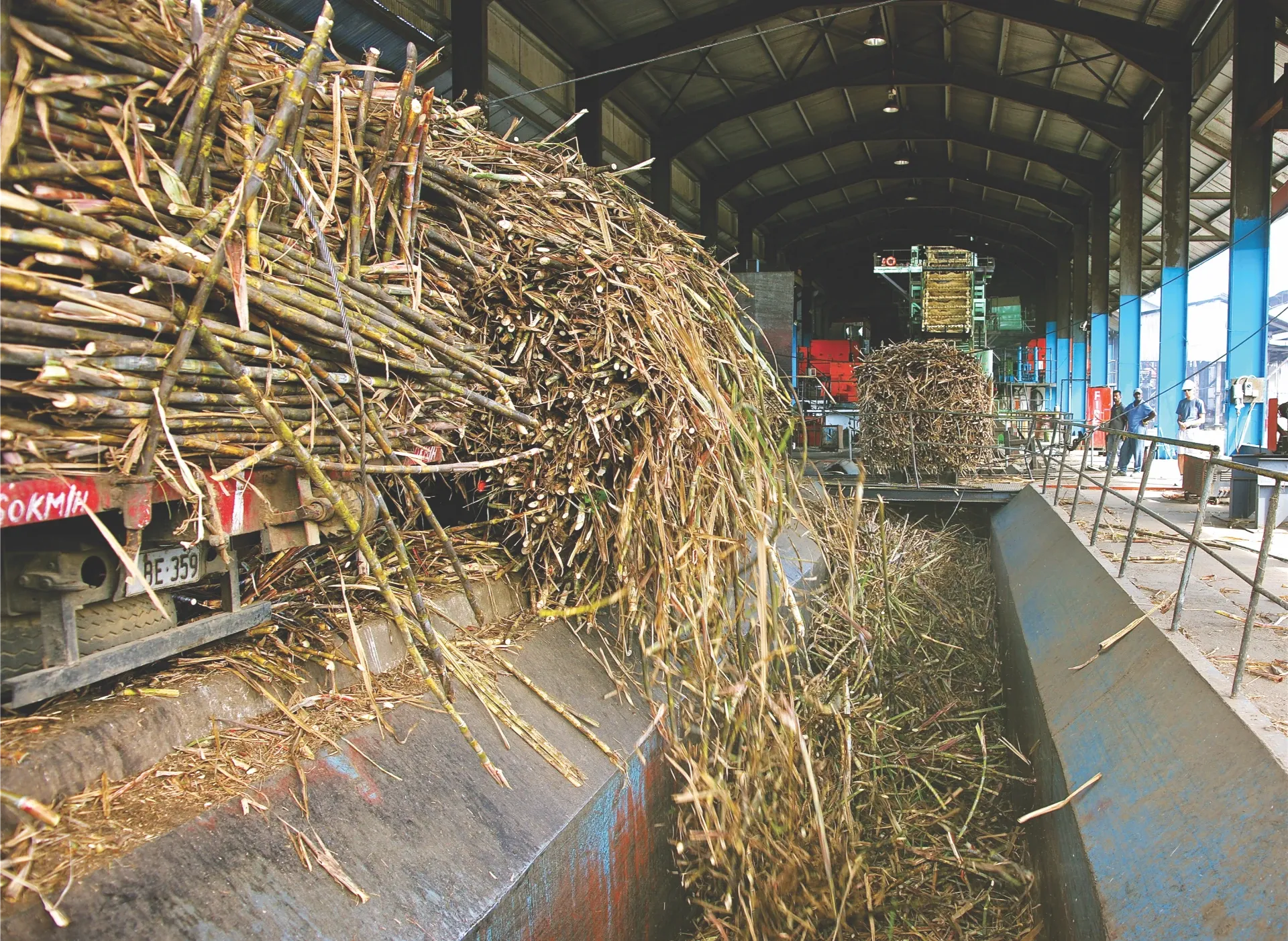
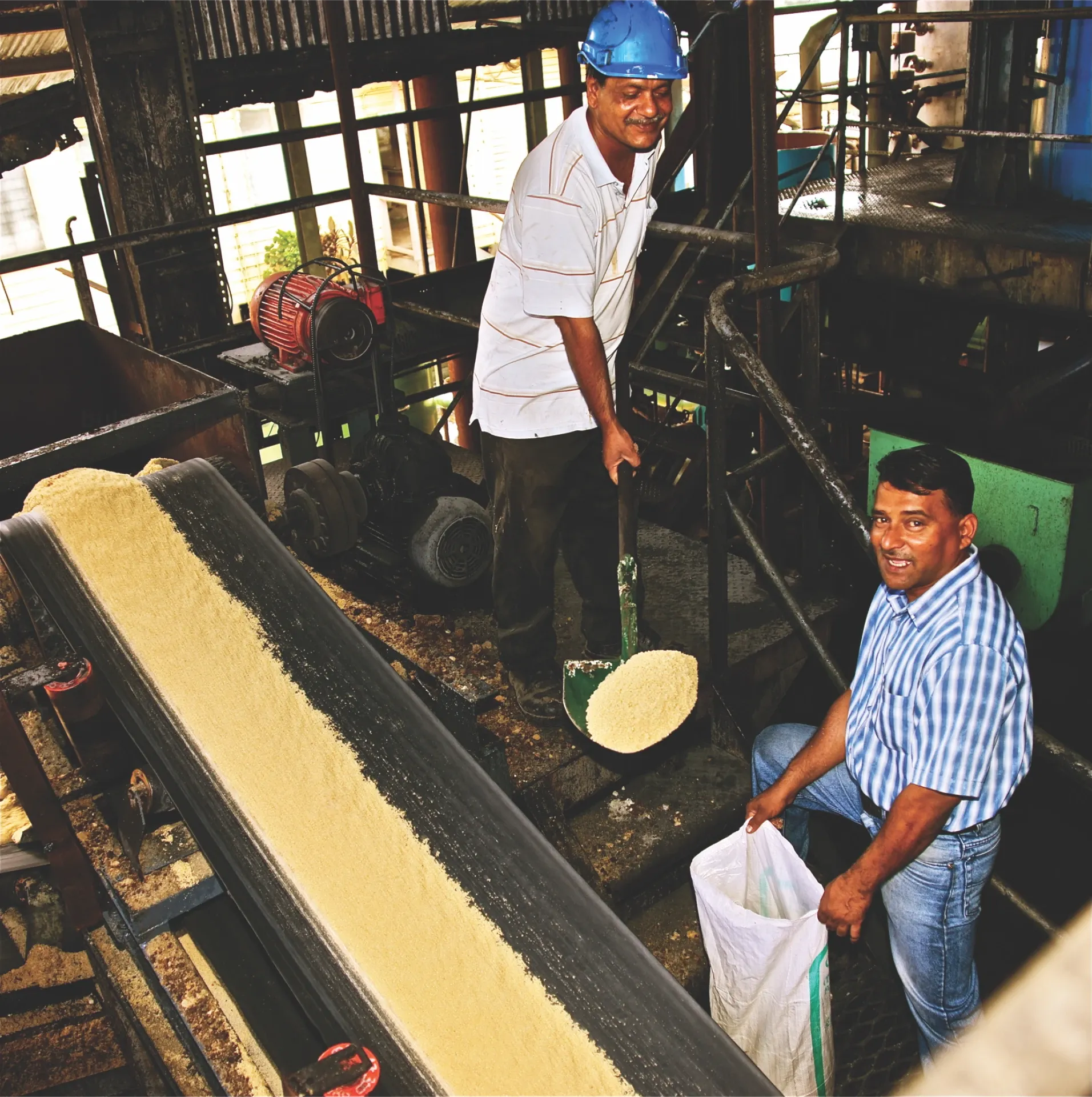
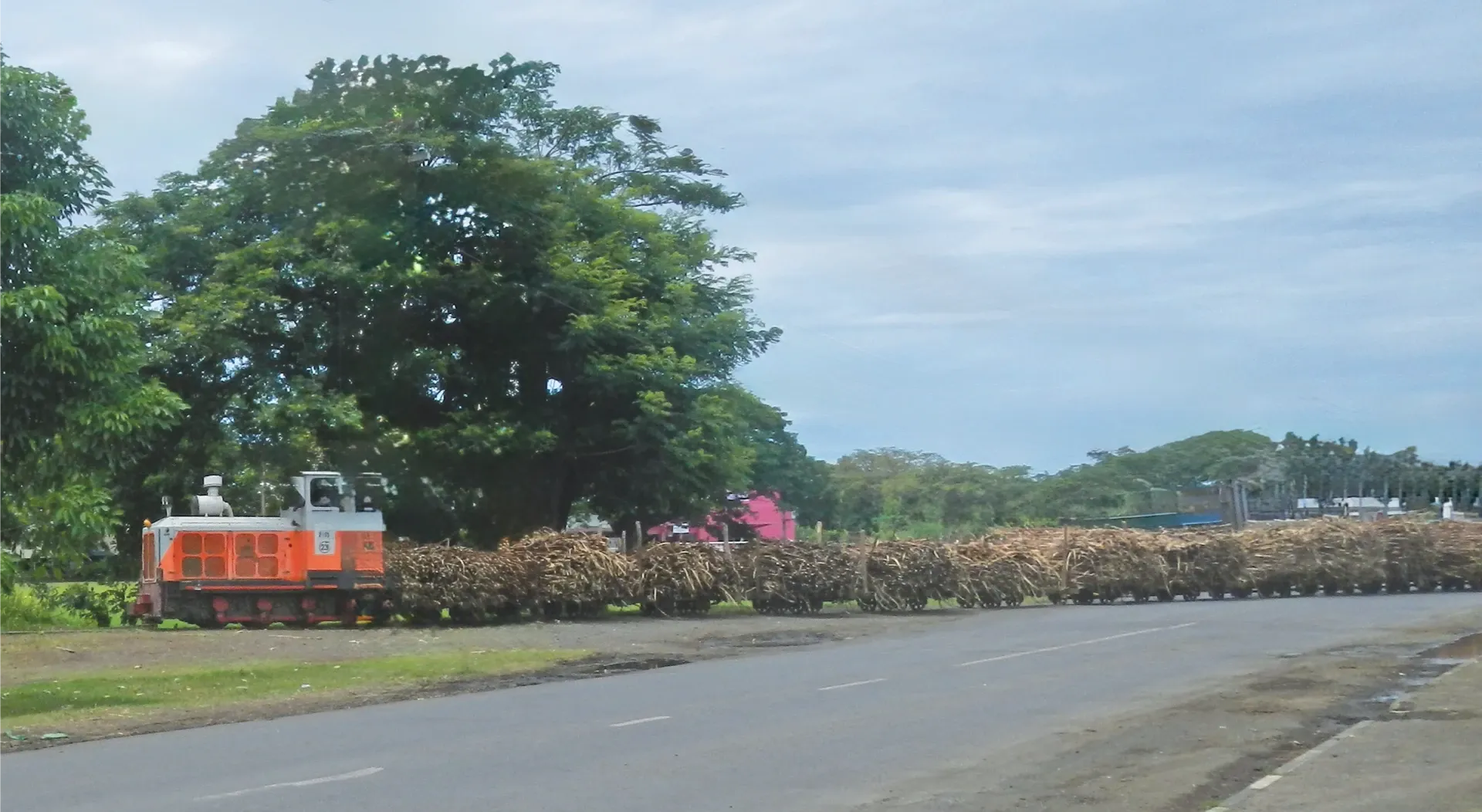
Ba was a long way from the colony’s capital Suva, and the company’s initial Rewa operations, but it was accessible by boat via the Bariver, and so, in 1886, Fiji’s oldest mill, which is still in operation today came into being. A mill inLabasafollowed in 1894. In 1903 the Lautokamill began operations, a mill that was from the outset intended to be the ‘greatest in the southern hemisphere’. In 1926 CSR purchased its fifth and last mill, the Penangmill in Rakiraki.
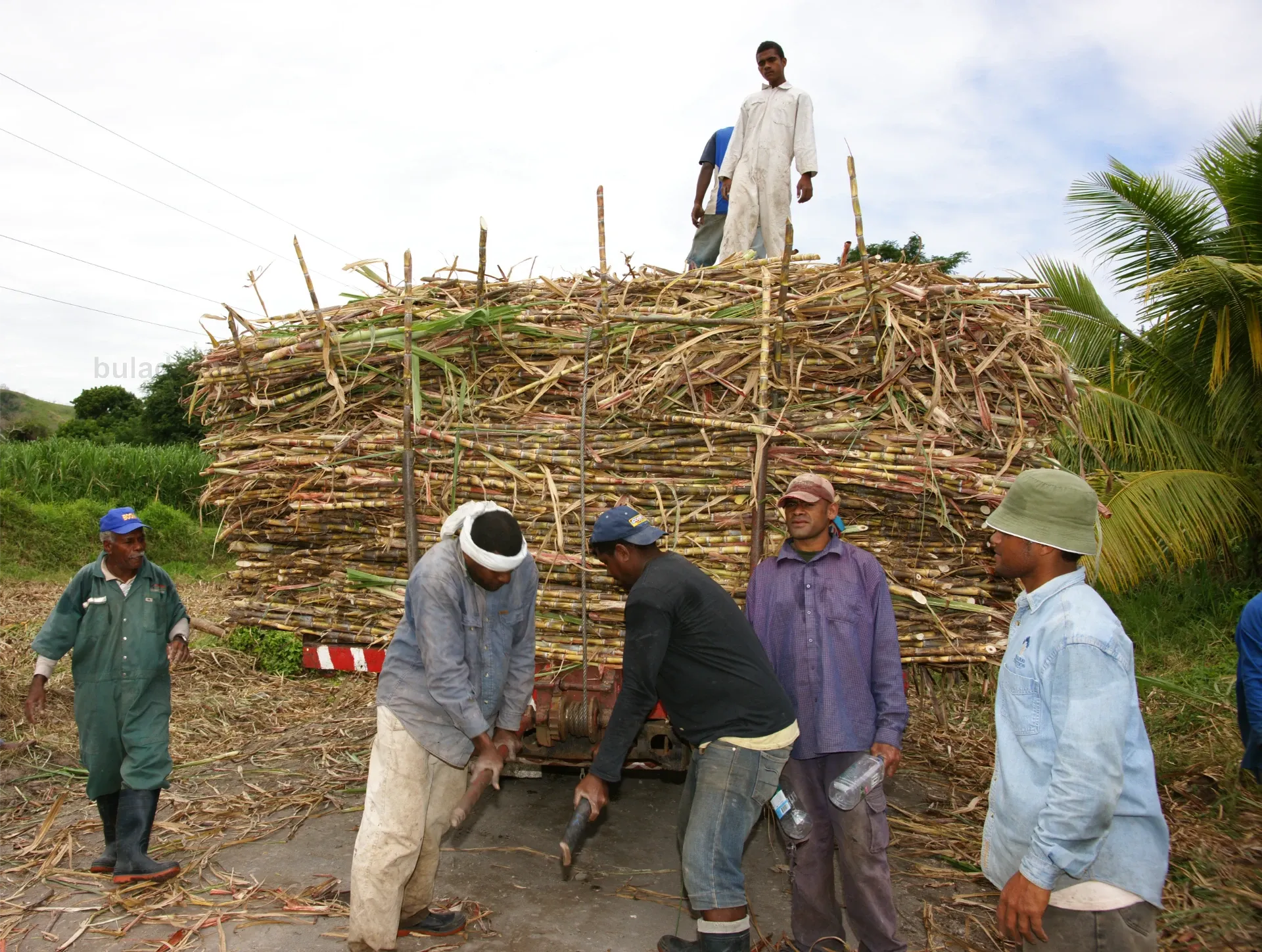
The cultivation of sugarcane and its processing into sugar required more labour than the fledgling new colony could spare. As a solution to that, and other plantation labour shortages, indentured labour from India was brought in by the first resident Governor of Fiji, Sir Arthur Gordon. The first ship arriving in 1879. The labourers were dispersed to work on coconut and banana plantations and once CSR established its operations it soon became the largest employer of Fiji’s new migrants. The indenture system required five years of service at which point the person could renew for another five years. At the end of their contract they had the option to stay in Fiji, or to be repatriated to India.
From as early as 1908 CSR started leasing portions of land to long service employees for them to grow sugarcane independently.
By 1920 the last of the indenture system contracts ceased to operate. Around sixty percent of the indentured labourers decided to remain in Fiji, a decision that has had the most profound effect on Fiji’s future as a nation.
Former indentured labourers were no longer compelled to work on the terms that applied under the indenture scheme. Acute labour shortages ensued followed by a sudden drastic and acute slump in sugar prices. The crisis led to CSR adopting the move to support small holdings, where farmers farmed independently.
The industry has been extraordinarily good for Fiji over a long period of time, subject to the normal ups and downs that face any agricultural commodity sector.
Fiji attained independence from Britain in 1970 at which point The Colonial Sugar Refining Company of Australia sold its interests in Fiji to the Government of the day. It was the end of an era. CSR had represented the backbone of Fiji’s economy for 100 years. The new company, Fiji Sugar Corporation Limited (FSC) thus acquired freehold and leasehold land, four sugar mills and a range of subsidiary companies, along with the responsibilities that went with it.
Up until the beginning of this century the sugar industry was still by far the main driver of Fiji’s economy.
In this century Fiji’s tourism sector has overtaken sugar as Fiji’s biggest earner and taken some pressure off a sector which today is undergoing a major generational shift. While it is estimated that around a quarter of Fiji’s population rely or derive significant benefit from the industry, many of the descendants of indenture no longer wish to participate in the industry, meaning the number of farmers is decreasing. The amount of land available and being planted has also been on the decline. The current state of the industry suggests that the future may lie with larger scale farms or co-operatives that can generate economies of scale unavailable to small family holdings. With technology developing at such a tremendous rate who knows what other solutions may present themselves for restoring Fiji’s Green Gold to its glory days.
Other options for adding value within the industry exist. Co-generation power production is one. The mills burn bagasse, which is the pulpy sugarcane residue left over after the sugarcane has had the juice squeezed out of it, in their boilers to generate power. Surplus electricity can be sold to supply the national grid. Another option is to make ethanol as an alternative fuel. Molasses remains a valuable by-product that enters the value change, not least through the production of local alcohol. While you are here you could sample and pick up some fine Fijian made spirits, such as Fiji Bati & Ratu Rum If you are interested your best bet would be to check out Victoria Wines at Port Denarau. Actually if you want any alcohol Victoria Wines is the place, they also deliver.
While it is no secret that the sugar industry has been facing challenges, today Fiji has an existing, viable and vibrant sugarcane growing and processing industry. It is estimated that around one quarter of Fiji’s population depend upon it. Taking these indicators into account it is more than likely that Fiji’s sugar industry will still be going strong for the next 100 years!
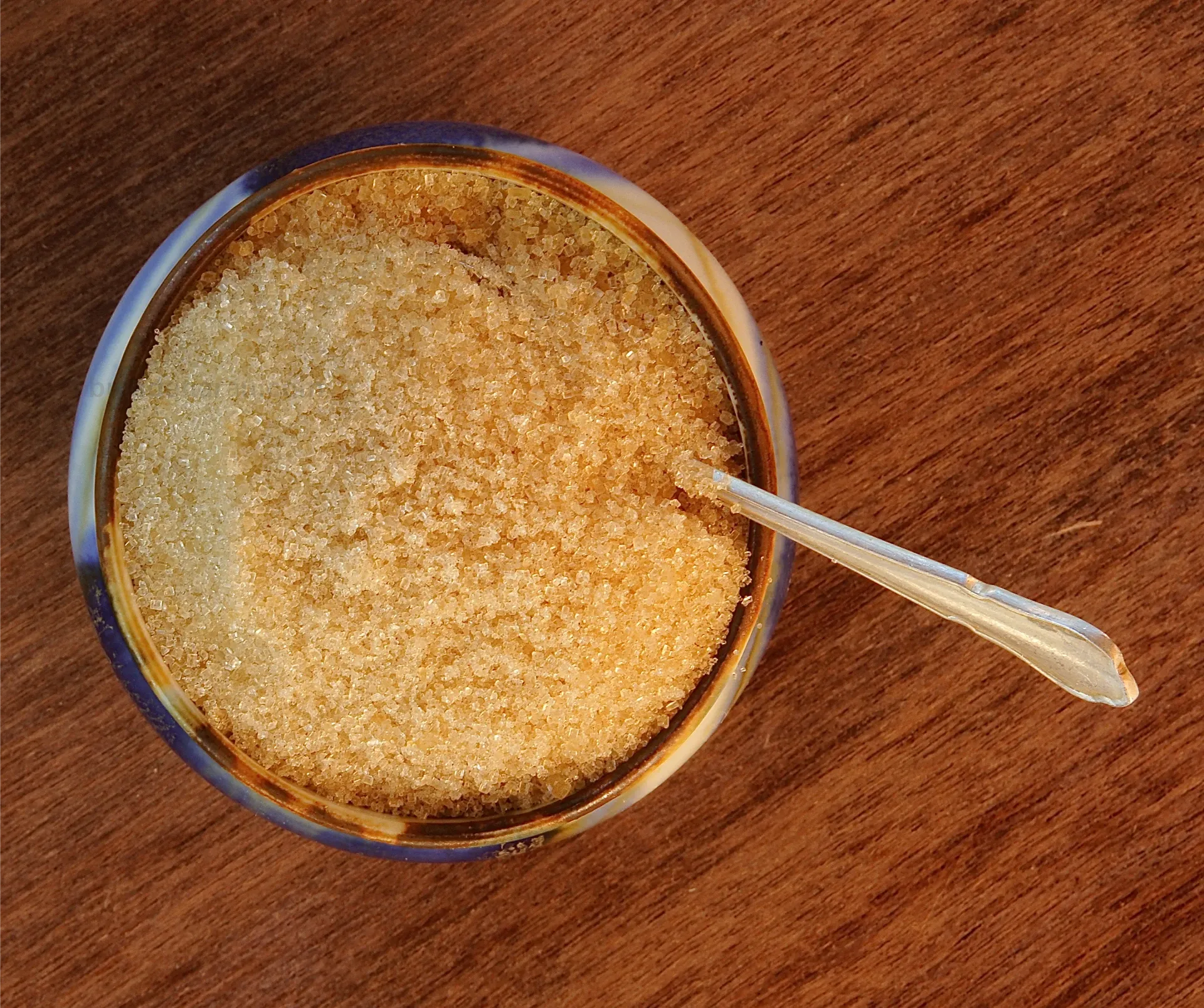
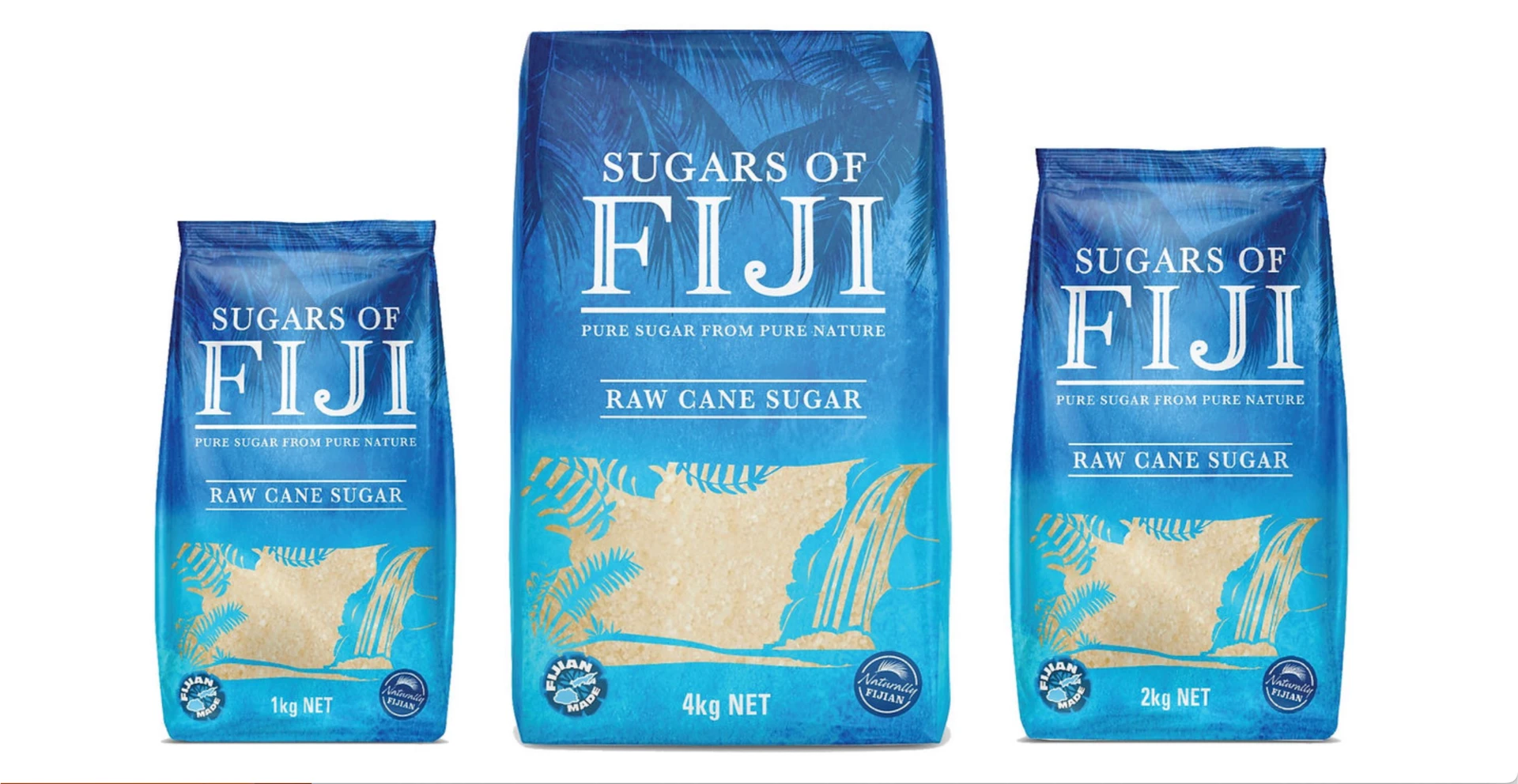
You too can savour the flavour of Fijian sweetness. Fiji sugar comes in convenient 1,2 and 4 kg packs; a perfect practical taste of Fiji treat to take home with you and/or a unique gift item for those at home! Available at all shops and supermarkets, including at the Port Denarau Retail Centre.
*South Pacific Enterprise, The Colonial Sugar Refining Company, p32.