For partnership and business-related enquiries, please get in touch.
Like their parents did
In 1869 the first Indian labourers arrived in Fiji under the indenture system. They had signed contracts to stay for an initial period of five years and an option to extend to ten years. These were the first of the ‘Girmitiyas’. Those sixty thousand or so souls who came to work in Fiji. The majority stayed after their period of indenture and they and their descendants have helped build and shape, in an indelible way, the Fijian society of today.
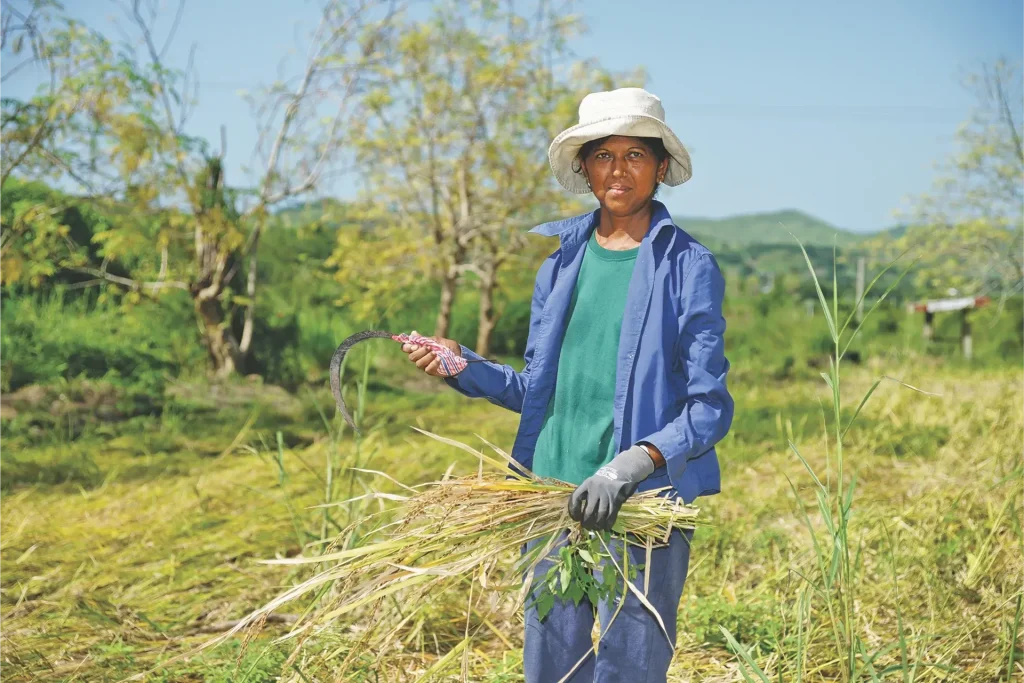
Chandra and Suman live on fifteen acres of freehold land about an hour and a half north of Denarau on Fiji’s northwest coast. Their forebears came to Fiji under the system of indenture, established by the British Empire, and adopted by its Fiji colony in 1869.
Shortly after Fiji became a British colony, Fiji’s first governor, Sir Arthur Gordon, turned to the indenture system to satisfy two competing objectives. He did not want native Fijians to be forced to work on plantations, yet the colony needed labour, specifically plantation labour. The indenture system was the answer and it operated in Fiji from 1869 to 1916. Under it, people from India were contracted to serve in Fiji for a period of five years. At the expiration of the five-year term they could return home at their own expense, otherwise they were free to remain in Fiji for as long as they wished. They could work where and for whom they pleased. After five more years of residence in Fiji they were entitled to be repatriated without charge if they wished. The majority remained in Fiji making it their home.
Their descendants live on today, either in Fiji or in other countries, such as New Zealand, Australia, America and Canada, to which they have in their turn migrated.
The initial demand for workers came from plantation owners growing a variety of crops. From the 1870s Fiji’s sugar industry began to take off resulting in the majority of Fiji’s new migrants working on sugarcane plantations. As the indenture system came to an end the sugar industry moved from employing labourers to contracting these same people, now as farmers, to grow sugarcane to supply the mills. Fast forward a hundred years and today you can see many of those farmers’ descendants going about growing their sugarcane and selling it to Fiji’s mills.
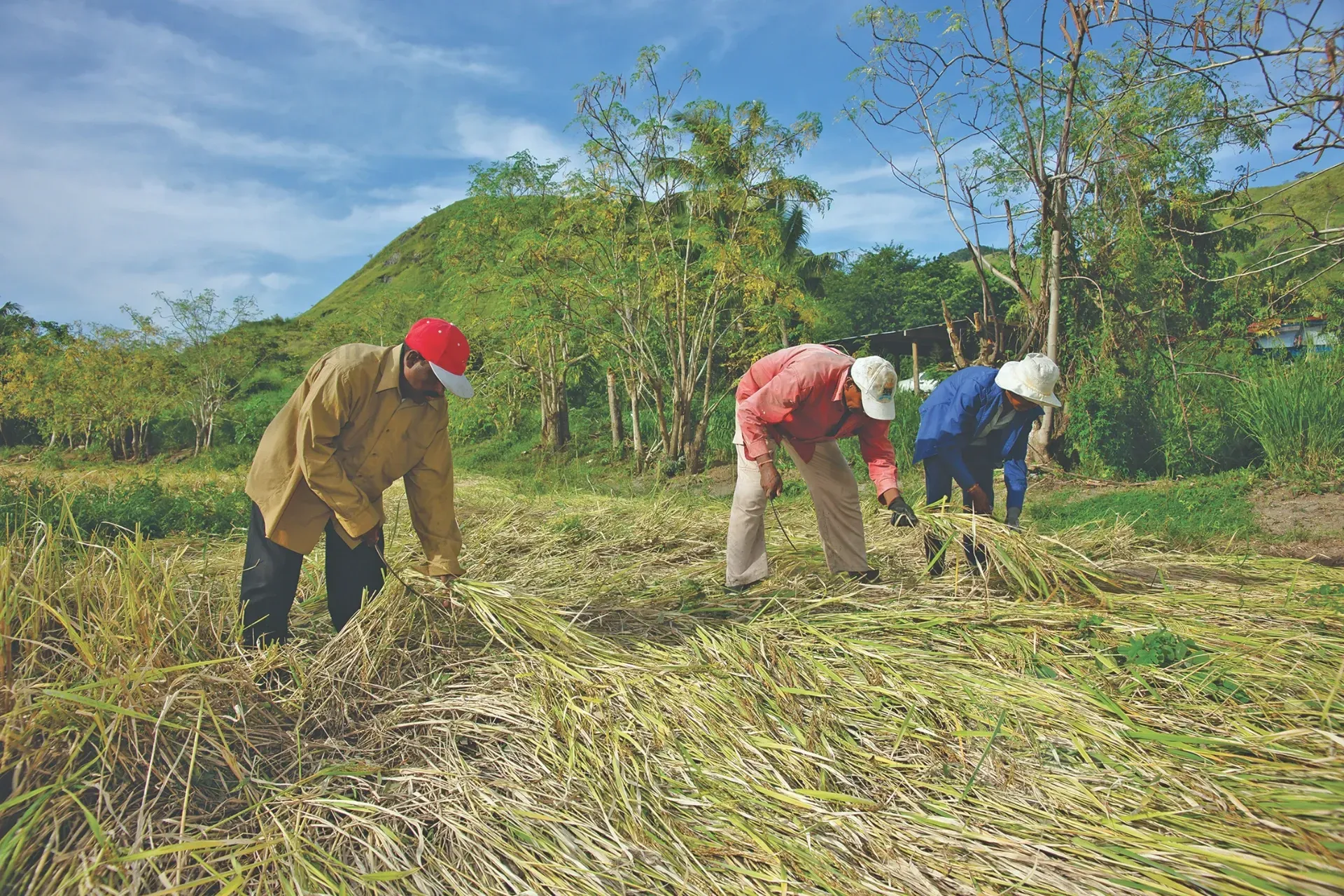
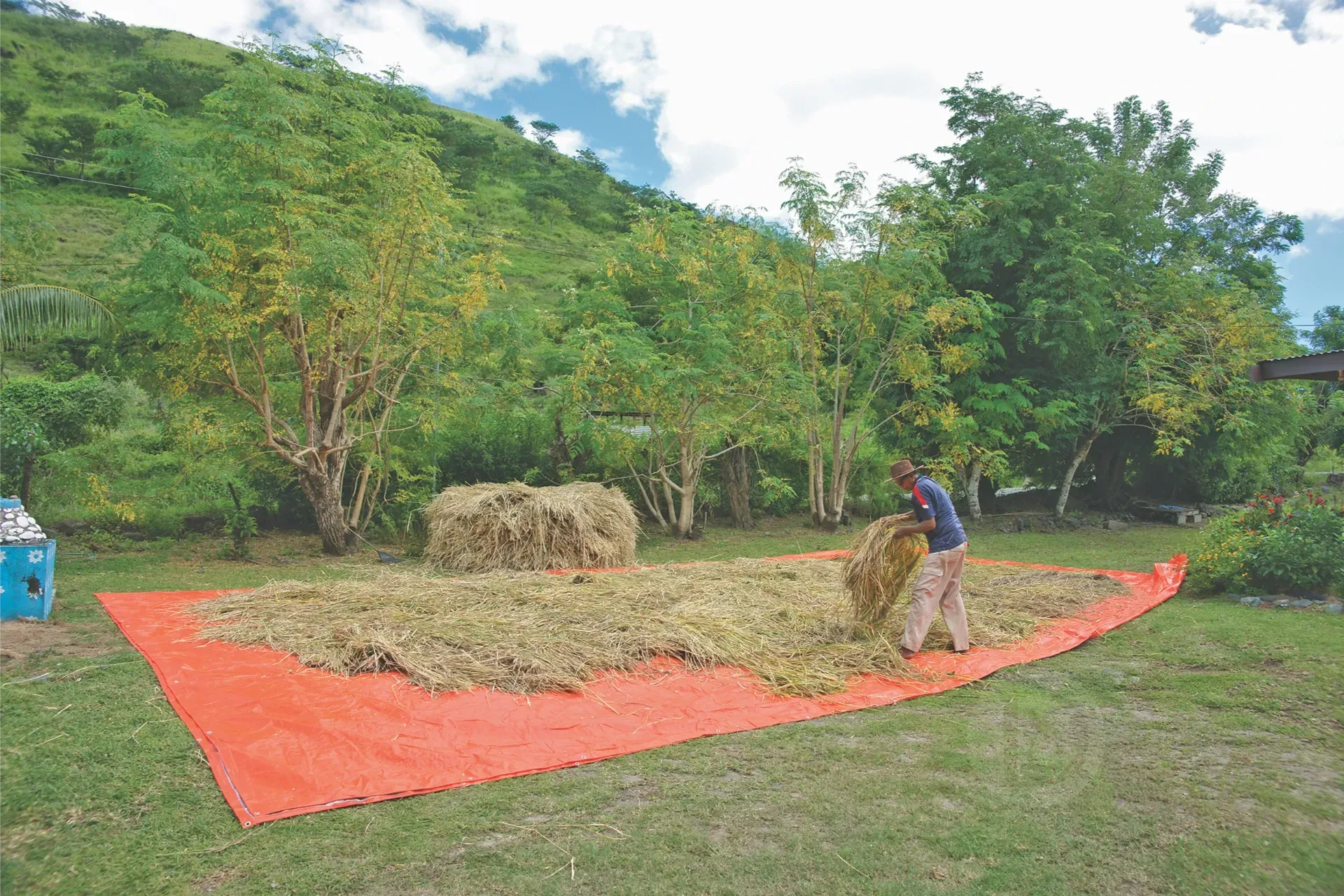
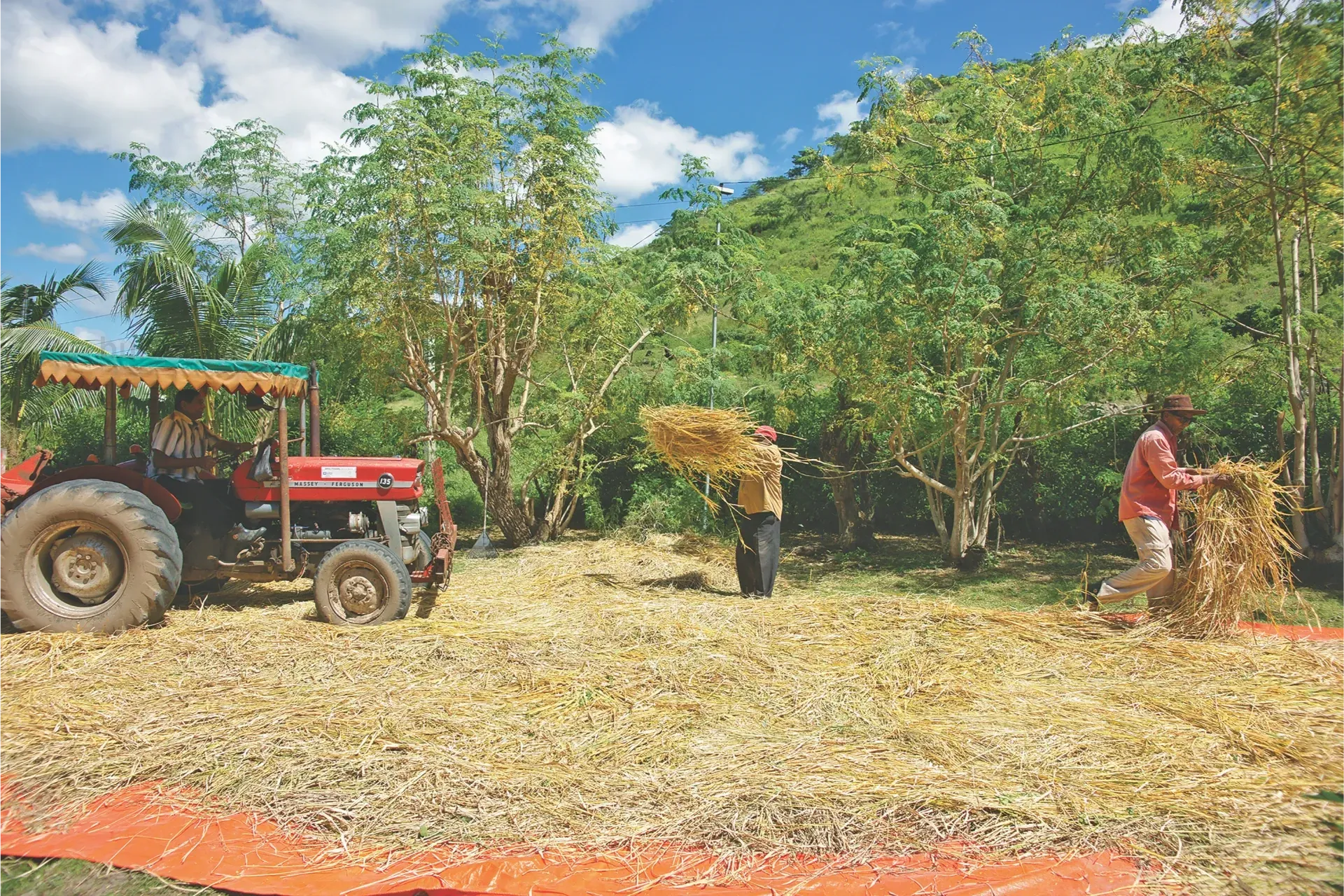
Chandra and Suman live on land Chandra’s father purchased in 1965 to grow sugarcane. They no longer grow sugarcane but still practice many of the small-holding farming practices passed down from father to son, and from mother to daughter. They hand milk their cows and sell the milk, they also make yogurt and ghee; they breed goats to sell for meat, raise chickens and grow a variety of crops. The pictures accompanying this story were taken when they were harvesting one of their rice crops. It is grown intermittently, sufficient to ensure a basic food supply, a security measure based on Chandra’s experience growing up when his parents did the same.
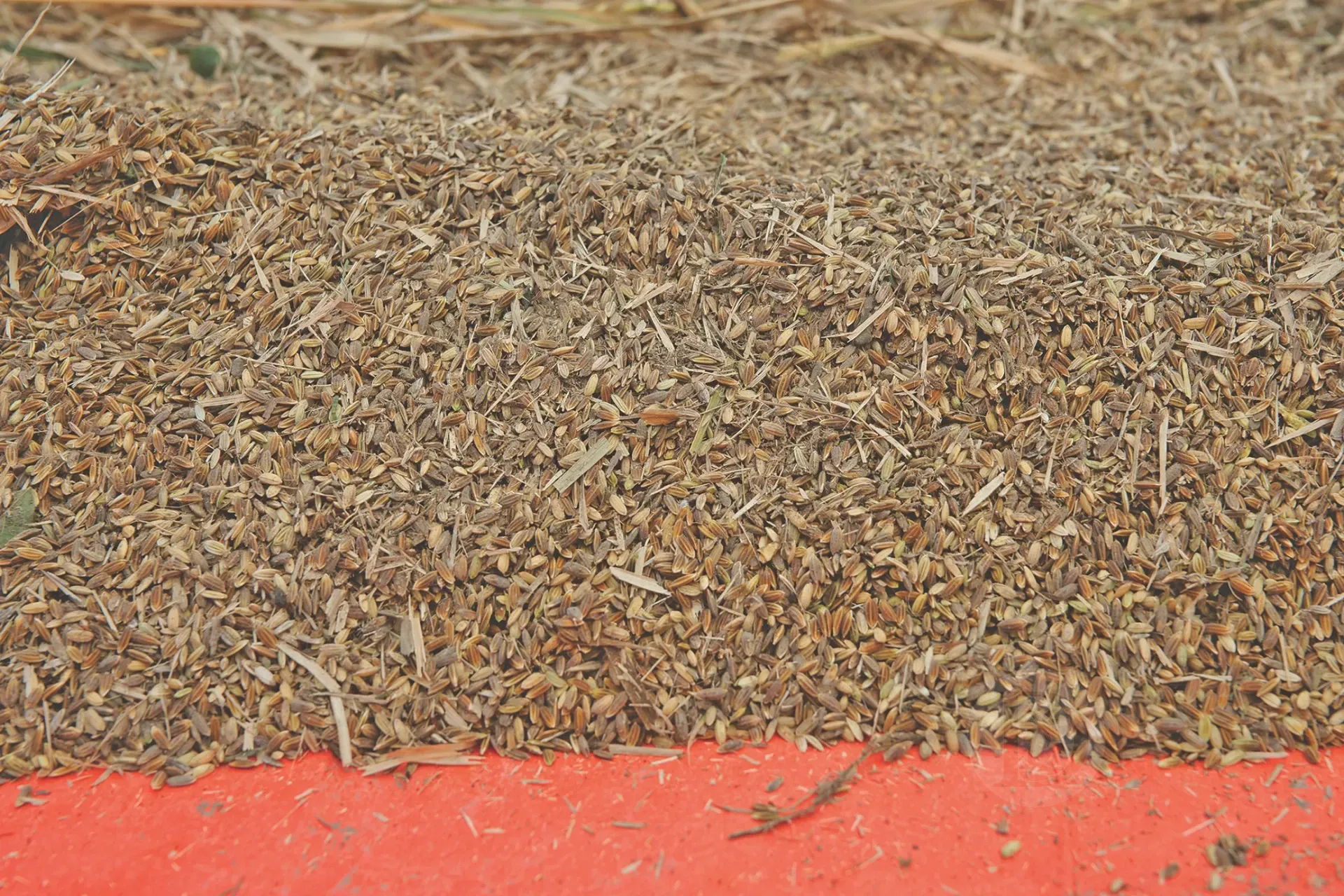
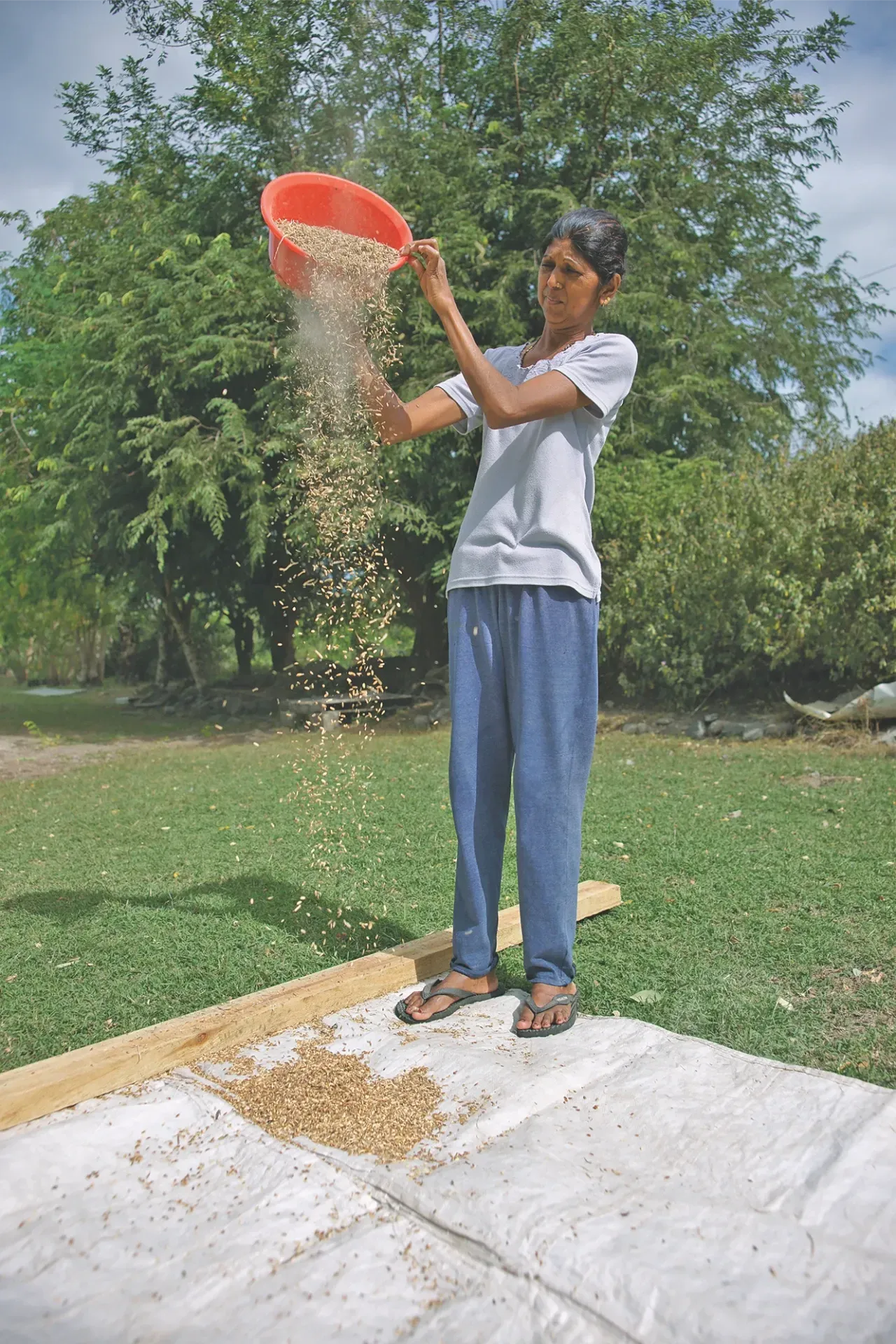
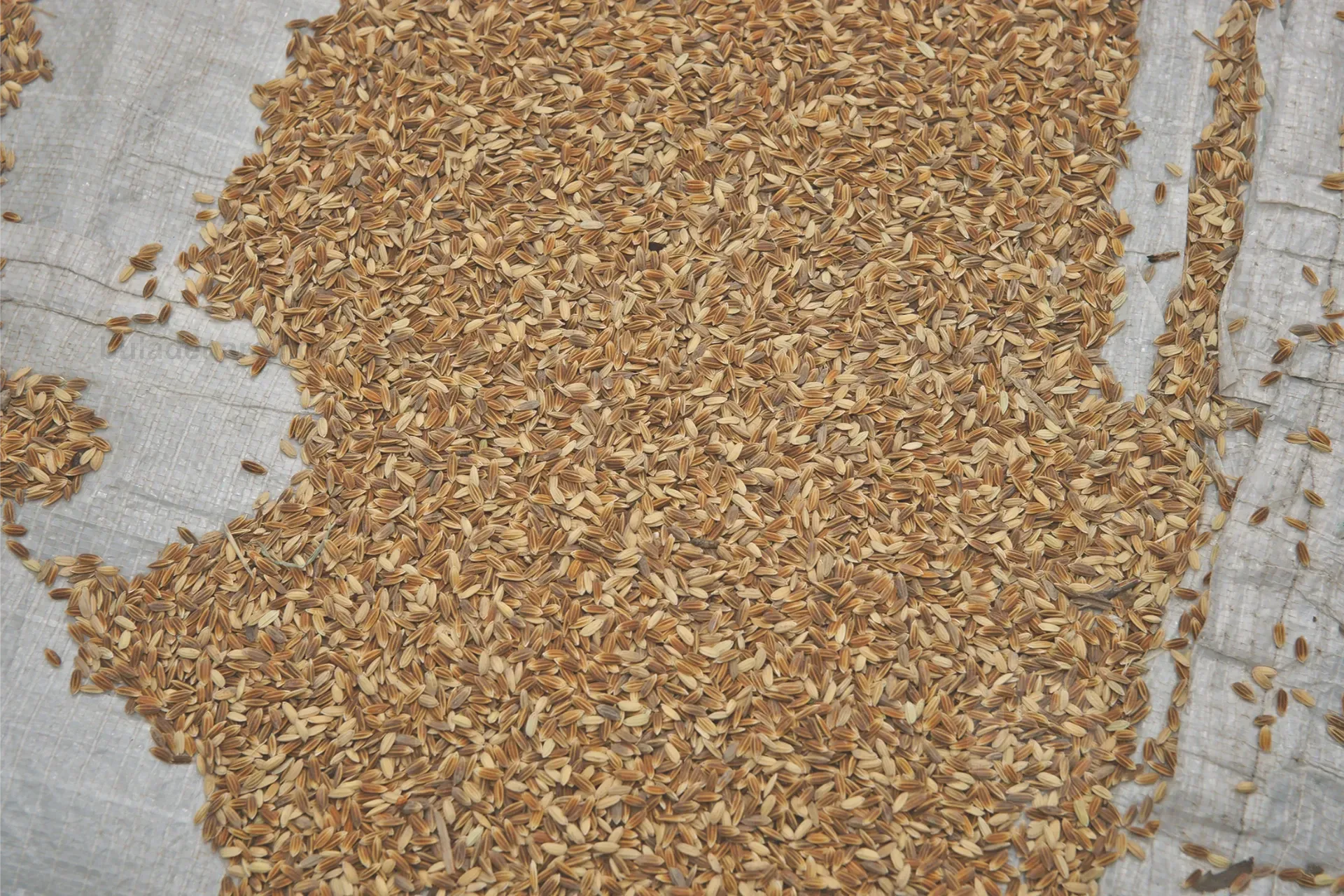
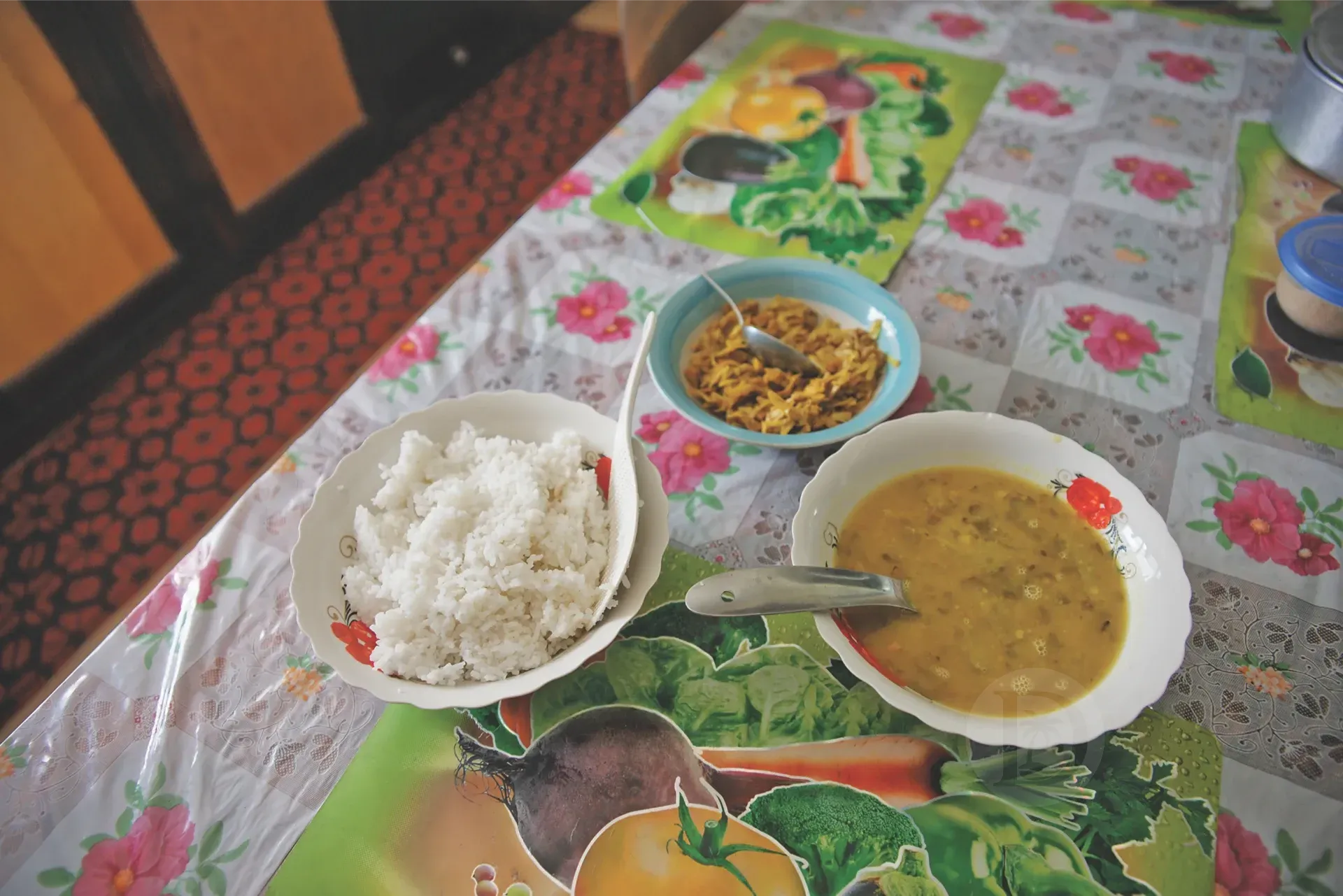
He recounts how when Hurricane Bebe struck in 1972 there was little access to town for over a week. The family survived on their store of home-grown rice, his mother gently pounding it to separate the bran before cooking it and mixing it with their cows’ milk. Today, Chandra and Suman, having learnt from their parents, plant and harvest rice to eat, and to store for emergencies. The rice is planted close to their house and harvested by hand. Once cut the stalks are piled on a heap and left for a few days. When ready they are spread on a tarpaulin and a tractor is driven over them to thresh the rice, which is then stored in plastic drums. It will keep for about two years. The next step is to clean the chaff from the rice. This is done when a suitable breeze presents itself, a process called wind winnowing. The rice is poured out to fall on the ground in such a way that the wind will blow the chaff away. What is left is nice and clean with the rice then being ready to be stored for a final time. One more step is required before eating, that is the removal of the bran, or the hard brown casing of the rice grains.
Chandra and Suman usually take some rice to the local mill in town to do that, a little at a time, as they need. Otherwise it may be done as Chandra’s mother did fifty years ago. The rice is put in bowl and gently rubbed or pounded to separate the bran. The rice is then ready to eat. The backbreaking work of growing and harvesting the rice, like their parents did, results in a unique sense of satisfaction, one out of the reach of many of us today.