For partnership and business-related enquiries, please get in touch.
People of Fiji
As far as we know the first settlers of Fiji were the Lapita people whose culture first appeared fully formed in the Bismarck Archipelago of Papua New Guinea about 3300 years ago.
These people, as part of a remarkable and rapid geographic expansion, laid down the foundations of the population of Fiji 3000 years ago while subsequent migrations from Melanesia continued to add fresh blood into the mix. Meanwhile the Lapita people had pushed on further east, inhabiting Tonga and Samoa to eventually give rise to the Polynesian peoples. Ongoing interaction with these and other islands over millennia has further modified Fiji’s gene pool.
Fiji is usually classified as being part of Melanesia. But looking at its history, people, traditions and culture, it seems Fiji is the great human ‘tectonic plate’ of the South Pacific, constantly grinding away at the edges of definition, making exceptions to rules and building bridges across divides.
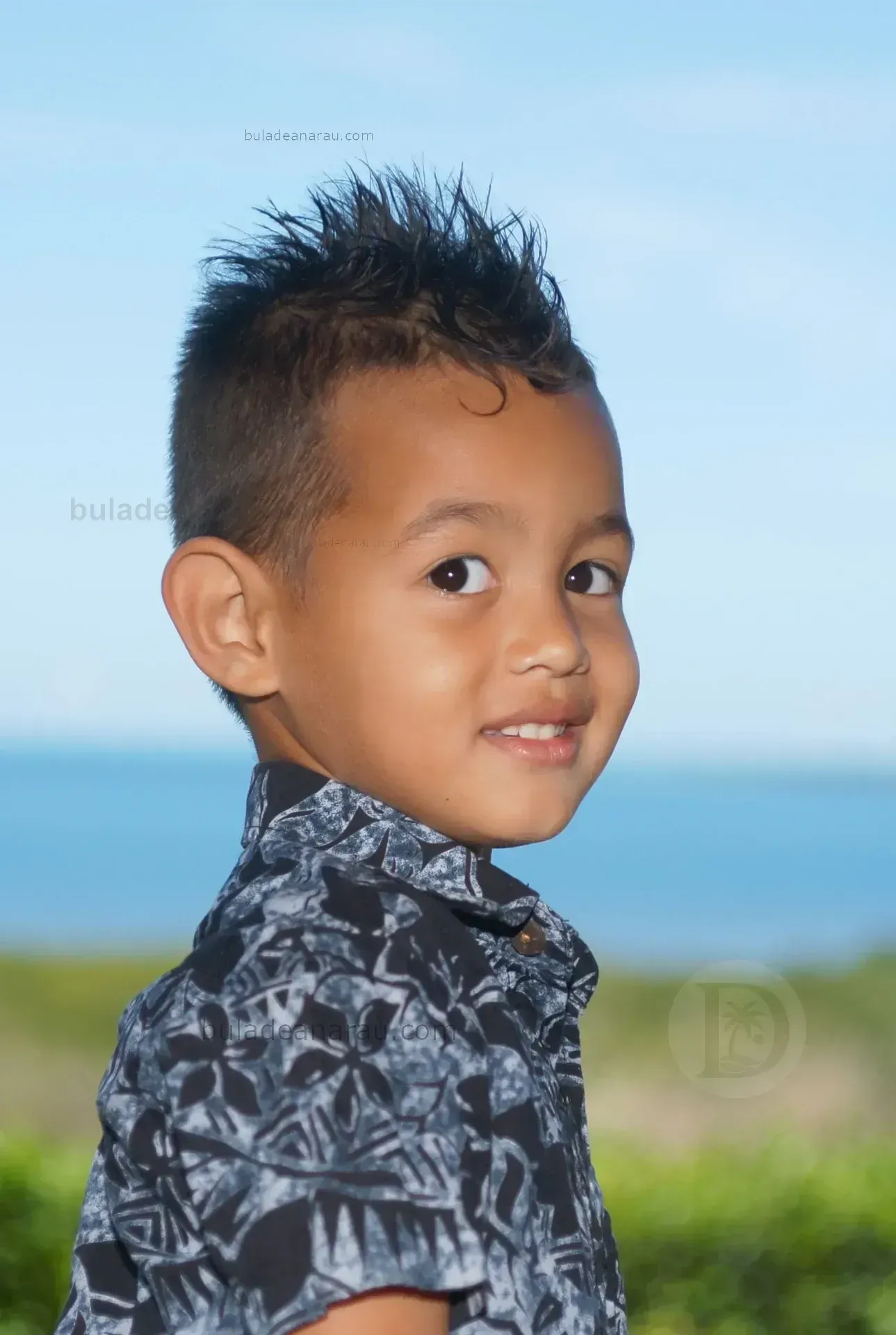
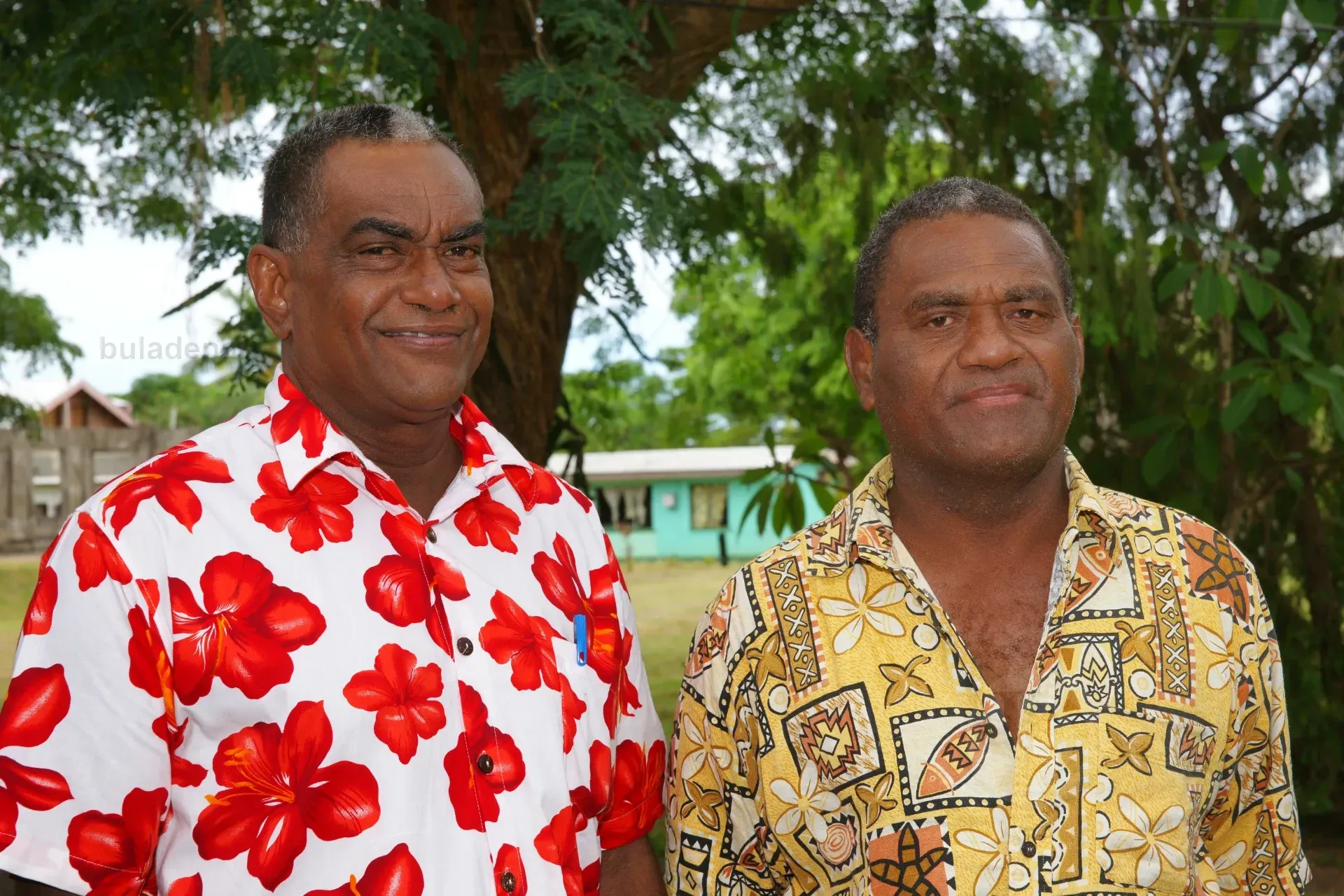
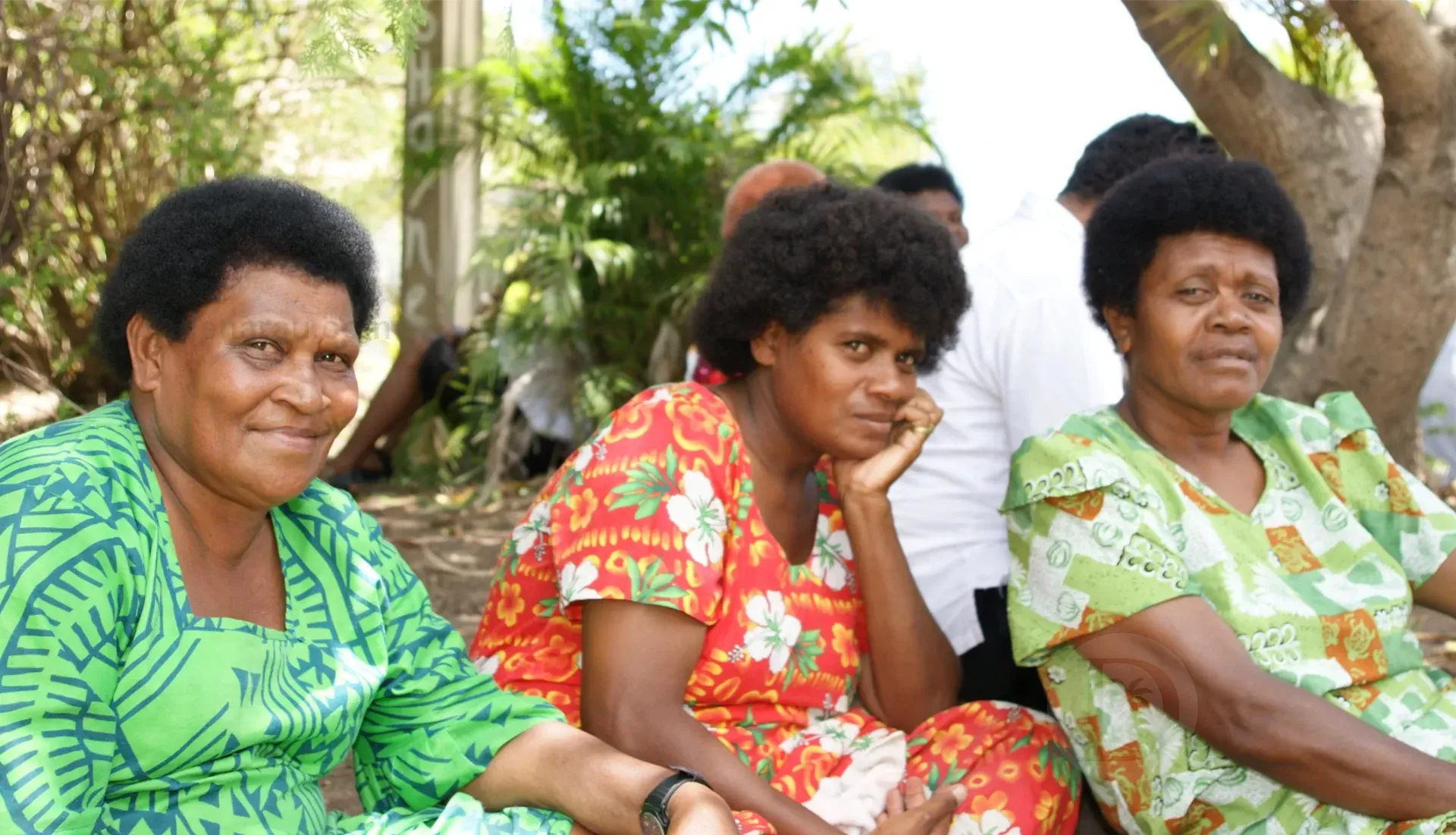
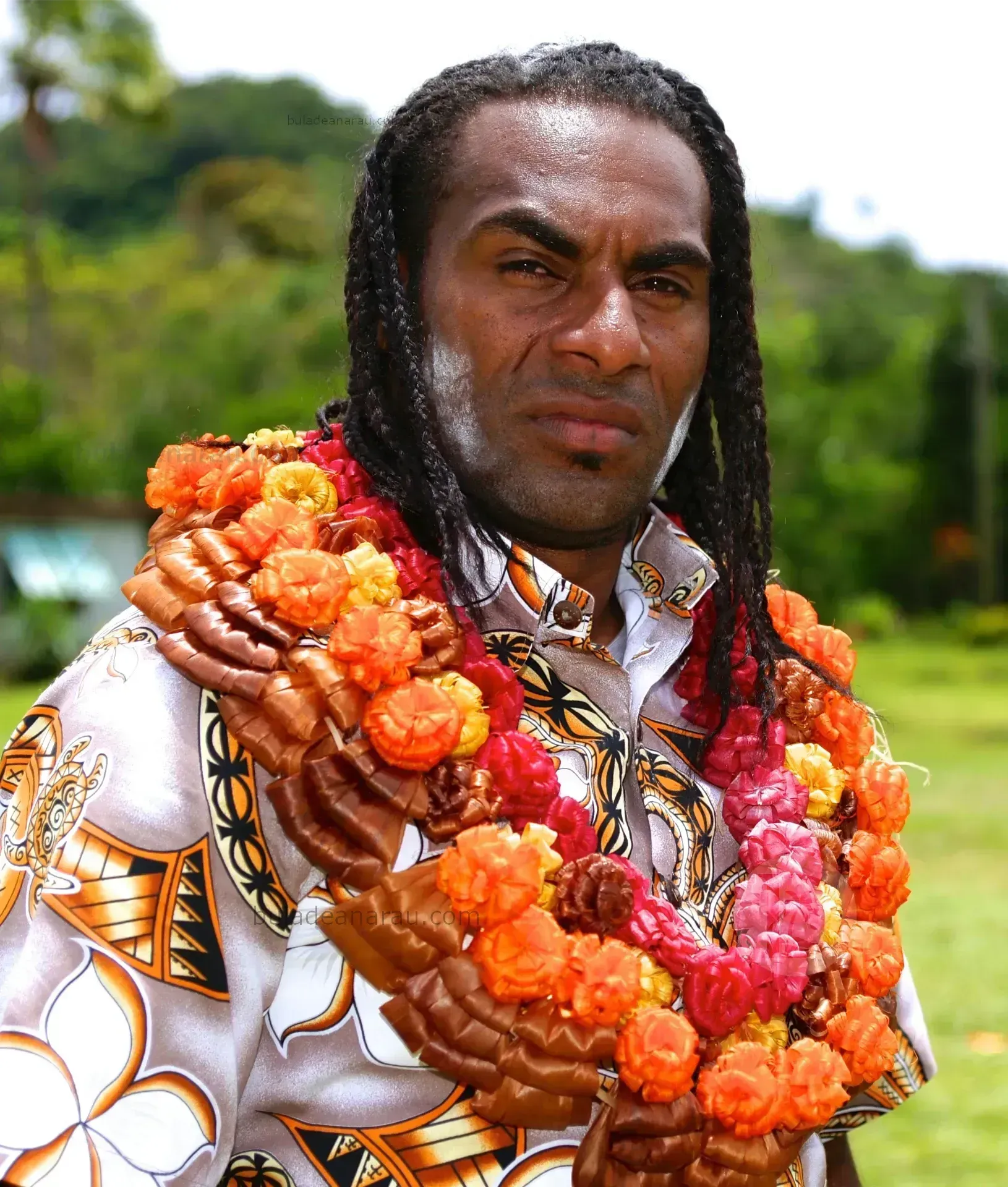
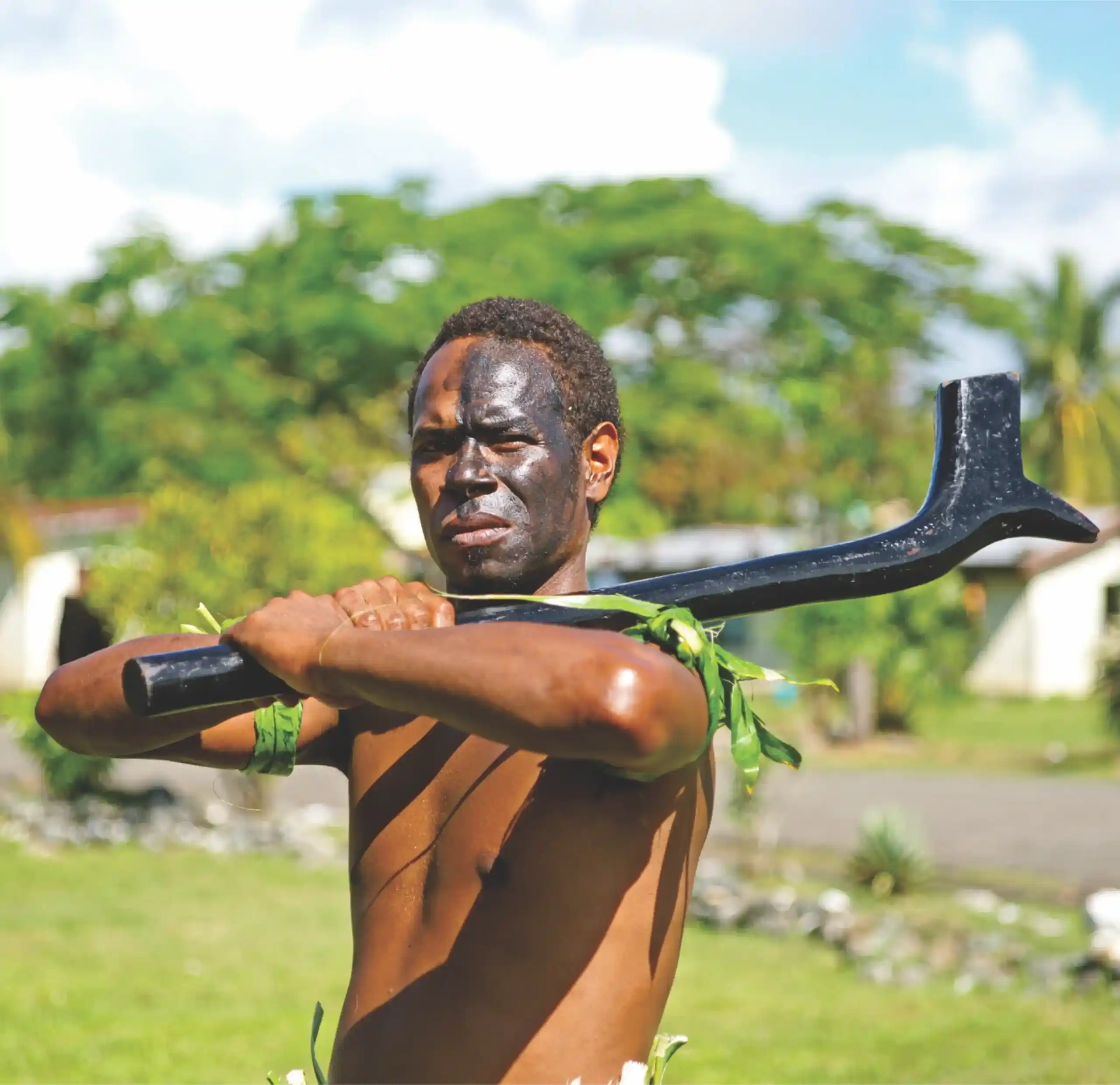
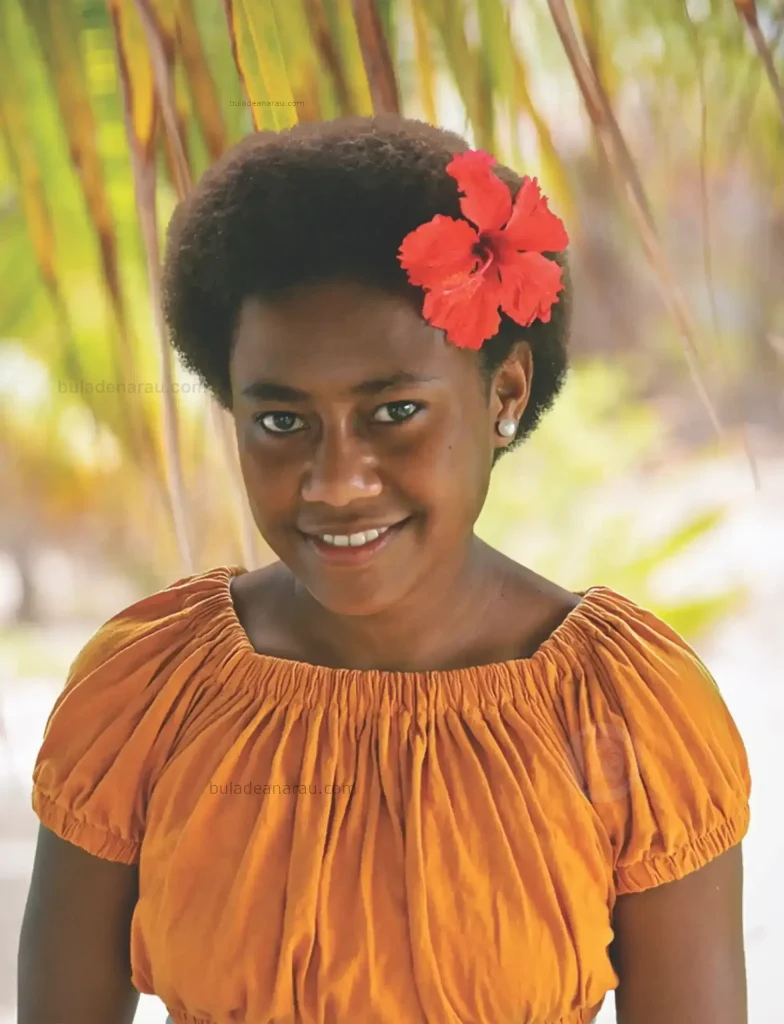
The people of Western Fiji and the interior of Viti Levu Island display their Melanesian heritage more closely than many other Fijians; the Melanesian curly hair is a classic example. However, the people of Eastern Fiji, the Lau Island group for example, more closely resemble the Polynesian people of Tonga with whom they have close familial and cultural ties and probably most closely represent the Lapita colonizers of Fiji three millennia ago.
In the early 1800s Europeans arrived. First, they came in pursuit of the scented sandalwood tree that was sold to the Chinese market for use in incense. After the sandalwood trade finished attention turned to establishing the beche-de-mer or sea cucumber trade. The market began in 1822, this time for the Chinese epicurean market.
Men jumped ship, or mutinied, and were sometimes just left on the beach when their ship departed having been found to be troublemakers or surplus to requirements; others were the lucky survivors of shipwrecks. These ships often,
“had polyglot crews including Europeans of all varieties, Americans, Indian Lascars, Chinese, Filipinos, North American and South American negroes, Maoris, and lots of other Polynesians, especially Tahitians and Hawaiians, all of whom were well represented in the Fiji beachcomber ranks” *
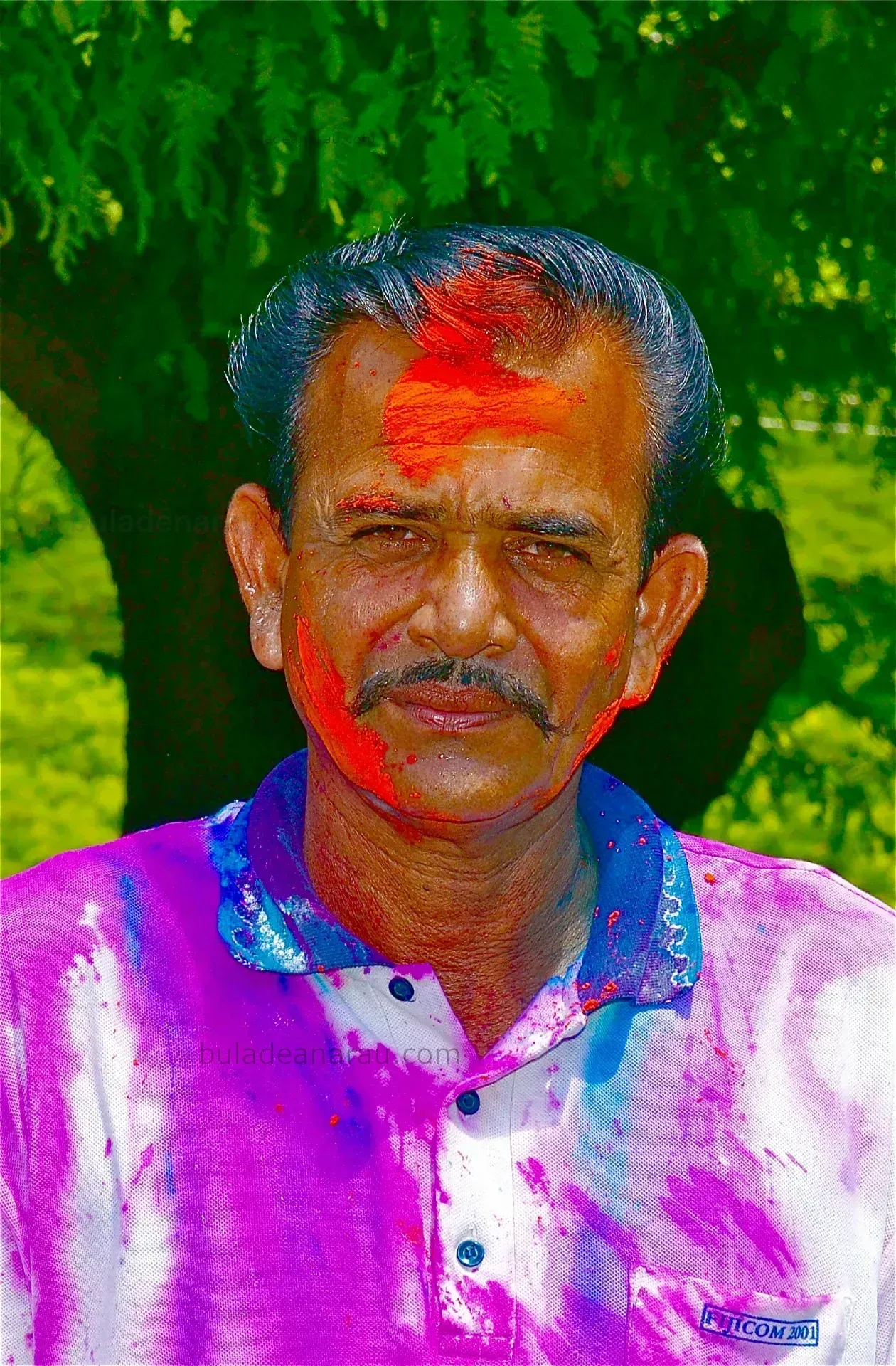
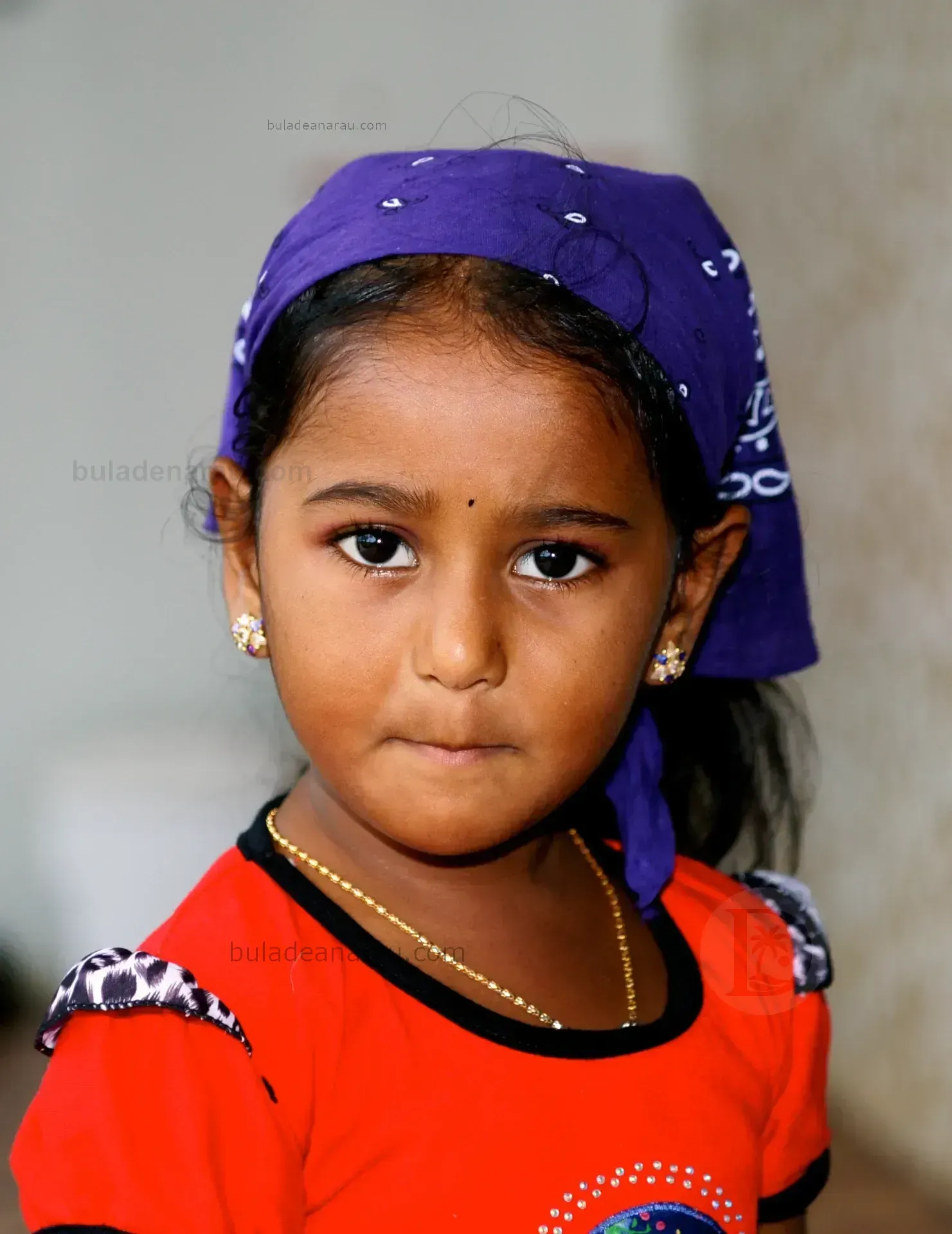
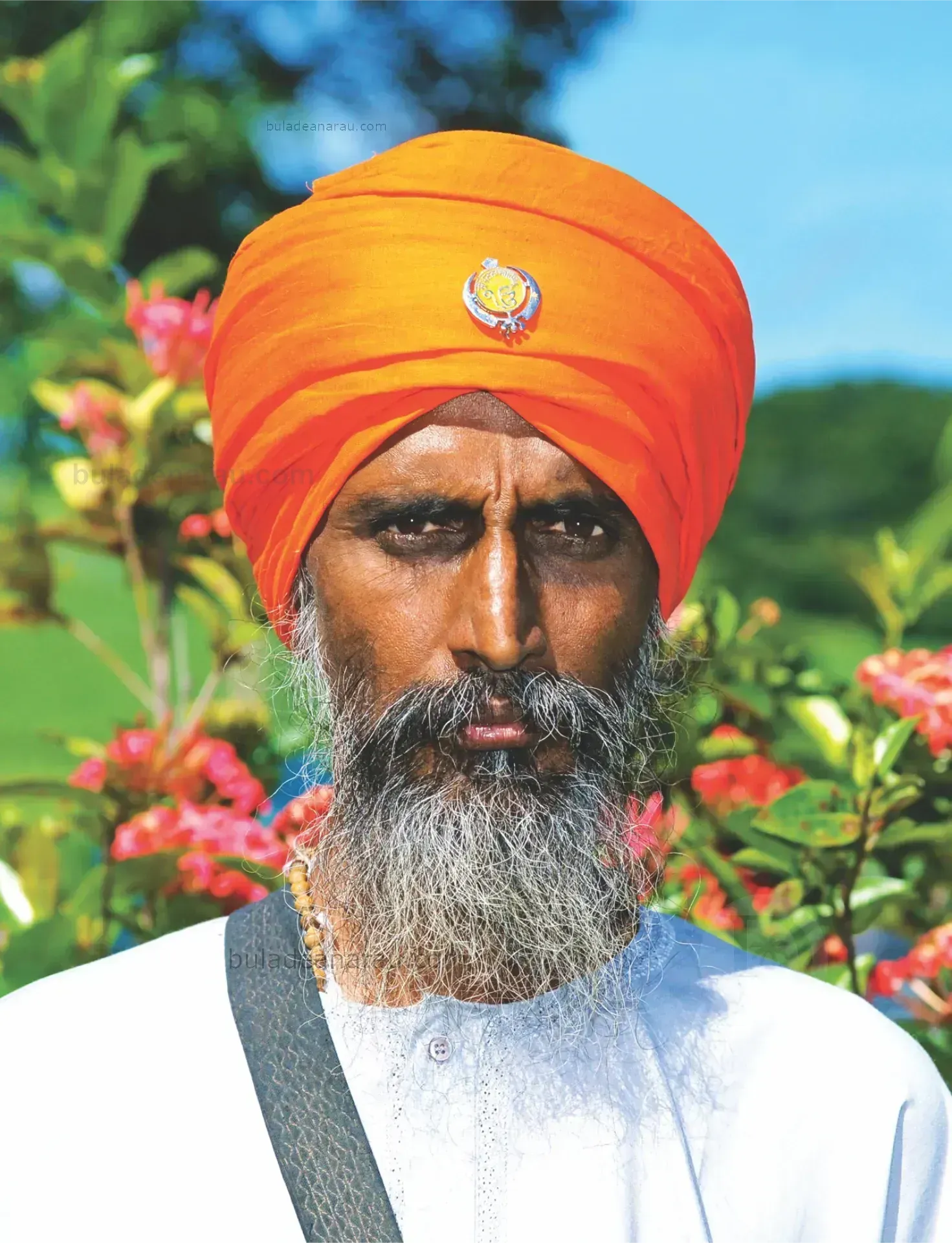
In 1874 Fiji became an English Colony. To provide labour for plantations the Government brought in around 23,000 Melanesians between 1877 and 1911. Most returned home when their contracts expired but some remained. The Government also introduced an indenture system for people from India with around 60,000 people arriving between 1879 and 1916. They came for a fixed term with the right to free passage back to India but most chose to stay becoming the backbone of Fiji’s sugarcane industry and the business and professional communities.
Today Fiji continues to accept new arrivals who bring with them unique cultural attributes, some of which find their way into Fiji’s evolving culture. The Fijian character has become imbued with the ‘Bula attitude’ – a way of life that is defined by the warmth in welcome and friendliness shown towards visitors and each other, tolerance, caring and sharing; perhaps best captured by the saying,“Fiji, the way the world should be”.
*Fergus Clunie, Fijian Weapons & Warfare, Fiji Museum, 2003, p 98.