For partnership and business-related enquiries, please get in touch.
Cannibal Kings
Being offended by one of his cousins he kissed him, cut off his forearm and drank the blood from it. He then threw it on the fire and when cooked ate it in front of his cousin, who was then cut up limb by limb.
The presentation of bokola – human bodies for eating – was accompanied by a particular Fijian, or lali, drum beat. You can hear one such chilling example here*:
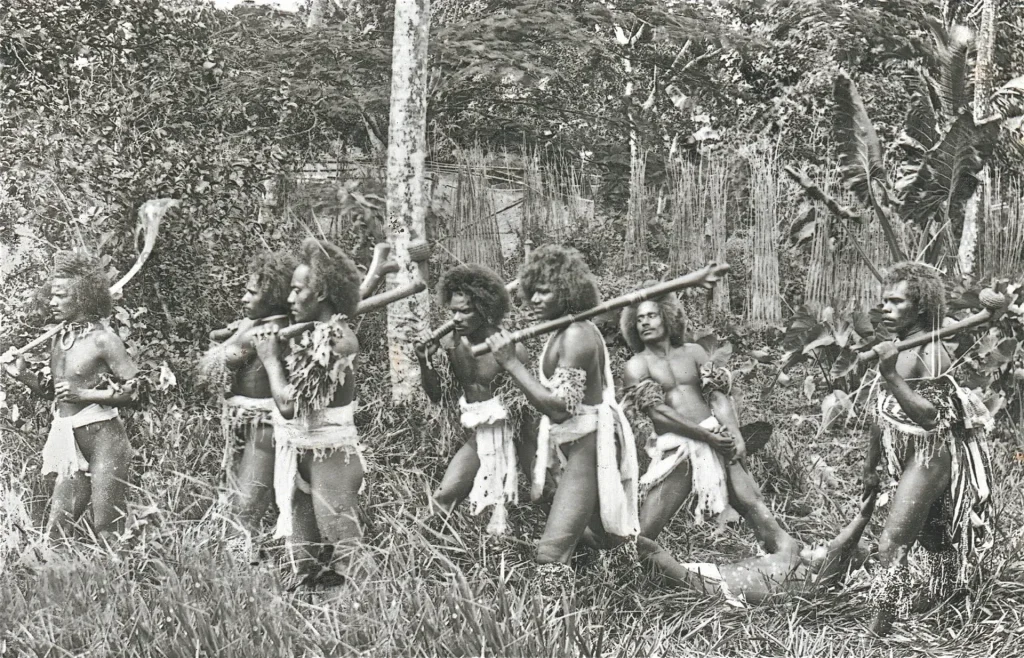
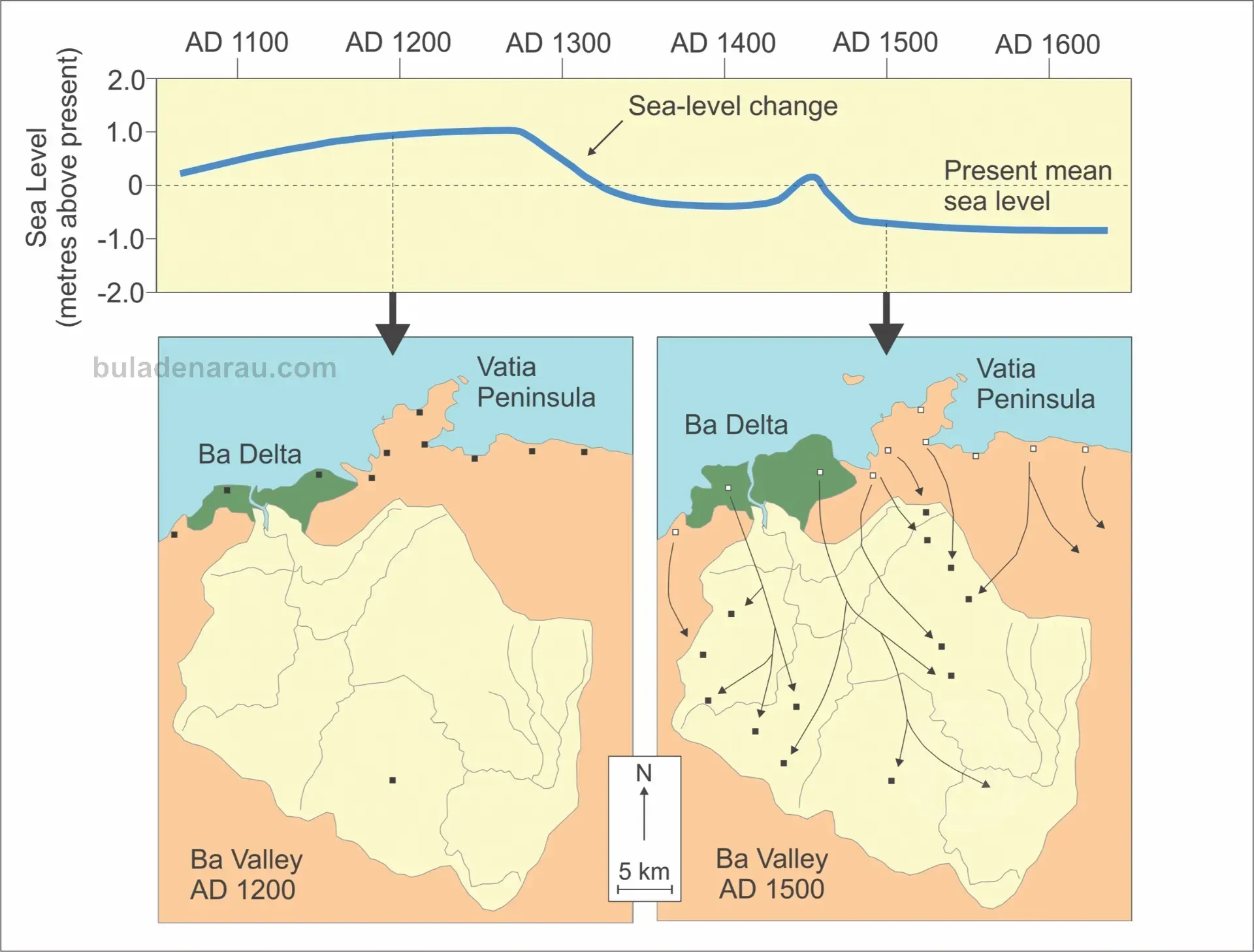
Archaeological research has shown that while Fiji has been occupied for slightly more than 3000 years, cannibalism might have been given a kick-start in earnest around 700 years ago. This start followed a fall in sea level of around 80 cm, which caused large amounts of reef areas to die off. Food from these reef areas would have provided the major part of the Fijian people’s protein.
At the same time, the first hill forts appeared as people moved inland from the coastal areas. It seems that warfare over the declining resources and cannibal practices developed from that environmental change. While no one knows for certain why the people in Fiji took to eating each other, they became famous for it, and up to the time the practice stopped in the late 19th century, Fiji was literally dripping in blood.
These were vicious and gruesome times; not only were people killed to be eaten, but they were also killed for religious and ceremonial reasons. Human sacrifice was common.
For example, when an important building, like a chief’s house or temple, was being built, human sacrifices would usually occur at various stages of its construction. Such as the felling of the trees, the tying of the first rafters, and upon completion of the building. The na keli qara ni duru ni vale were the people responsible for the digging of house postholes and ensuring that the posts were set correctly. The posts were massive and heavy. Men needed to go into the hole to hold the posts until sufficient earth had been filled and rammed to keep the posts straight. It was impossible to leave the post until sufficiently secured, and that meant that some were often buried alive.
When a new canoe’s keel was laid down, people were to be sacrificed, and at the time of launching it would be rolled over human bodies, into the sea. People were killed upon the raising and lowering of its mast for the first time and on each stop of its maiden voyage. If the canoe was given as a gift, it was expected that the recipient would make a return voyage bringing a dead body, or bodies, laid upon the deck, at which point the deck was said to have been ‘washed’ in blood.
The arrival of missionaries started the decline of the practices of human sacrifice and cannibalism. But its cessation took some time and was dependent upon gaining the support of the major chiefs, who often saw their role as being guardians of traditional customs. No doubt, revenge, maintaining authority, and instilling fear amongst enemies and potential usurpers were also motives for continuing cannibal practices.
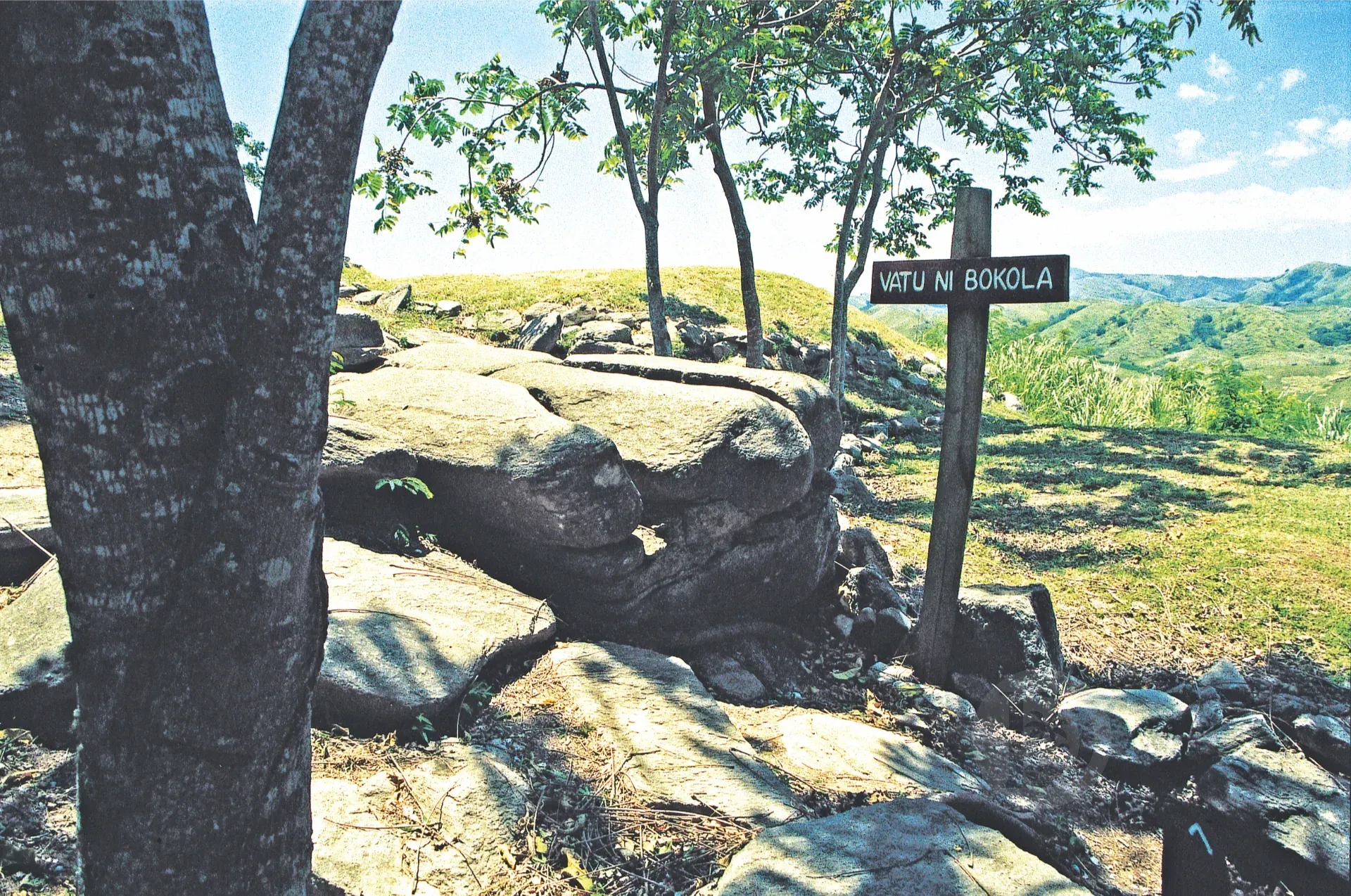
There are many examples recorded by the missionaries of cannibal practices. People to be eaten were called ‘bokola’ and were most often killed by being clubbed or by having their heads bashed against a rock used specifically for the purpose. They were then cut up, using pieces of sharp bamboo; the pieces were baked in earth ovens, or boiled or grilled. They could also be cooked whole, sometimes being put into the oven while still alive. At other times, the unlucky victim could be cut up piece by piece while still alive before being cooked and eaten.
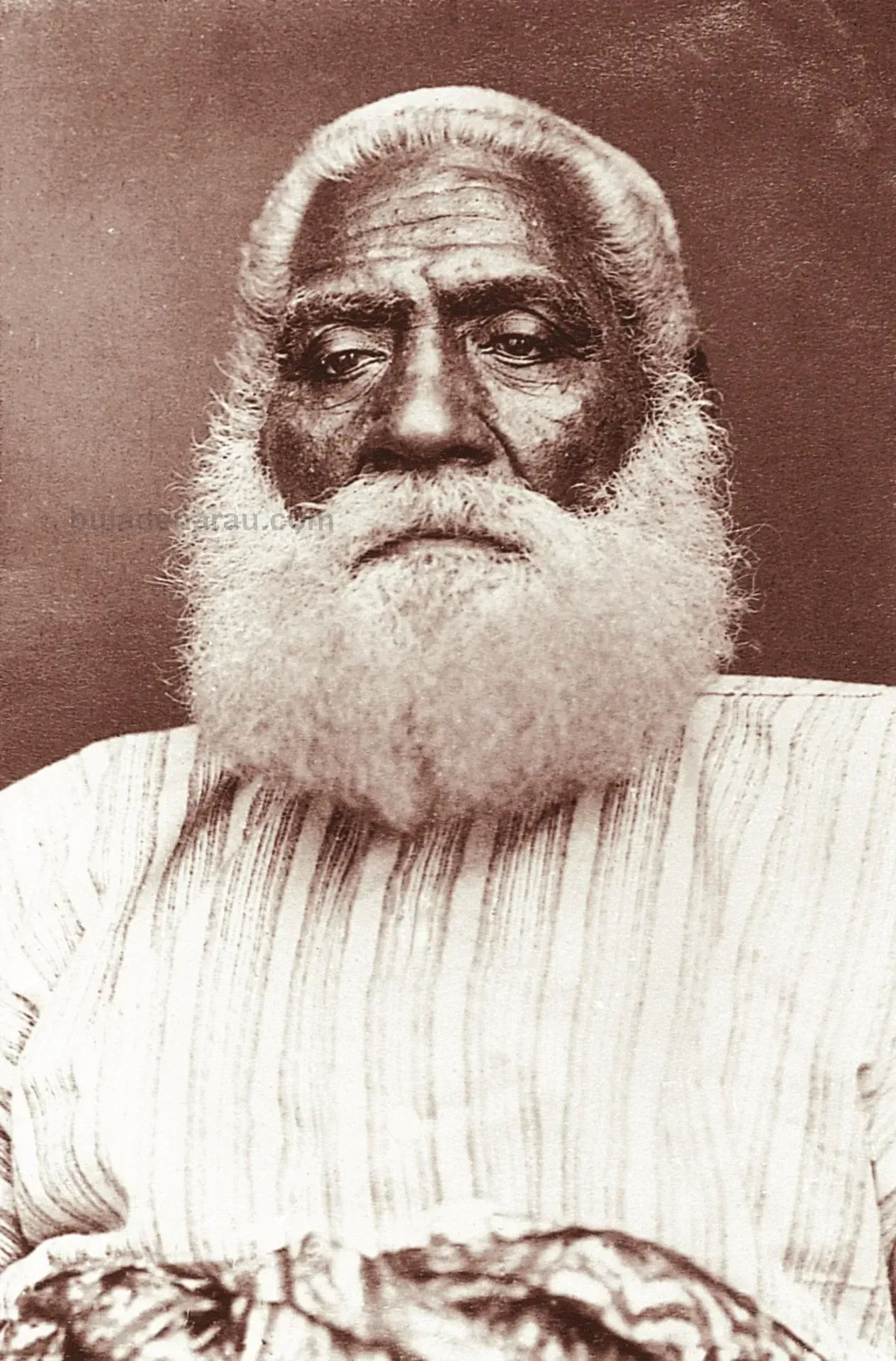
One of the most influential chiefs leading up to the cessation of cannibalism was Ratu Seru Cakobau from Bau in eastern Viti Levu. In one instance of warfare, he captured a town and 100 bodies were taken to Bau to be cooked. Two men were captured alive. They were made to dig the holes and cut the firewood for the earth ovens in which they were to be cooked. Then they were required to wash themselves and make cups from banana leaves. A vein was opened in each of them to fill the cups with their blood which was drunk in front of them. They then had their arms and legs cut off and cooked and eaten in front of them, some being presented to them to eat. Fishhooks were then put through their tongues to pull them out as far as possible when they were cut off and roasted and eaten in front of them. Still alive they were finally dispatched by being disembowelled.
A famous drua, a double canoe, the Ramarama had been built in Somosomo on Taveuni Island over a period of seven years. Upon completion it was presented to Cakobau. Missionary presence in Somosomo had greatly curtailed cannibalism there and when the drua was presented to Cakobau he enquired how many people had been killed in its honour. He was told that a few had been killed upon the laying of the keel and to feed the builders over the seven years but none upon its completion and bodies had not been used as rollers when it was launched. Plans to have people killed at each place it stopped on its maiden voyage had also been thwarted by the missionary presence.
When it arrived at Bau, the heavy mast was lowered for the first time since it had been raised; it slipped, killing one man and injuring two more. Cakobau blamed the accident on the lack of traditional sacrifices and not using human bodies as rollers for the drua’s launching, saying that it did not augur well for the fate of the canoe. At that time, there were already ten bodies in the ovens at Bau, but Cakobau said that these were insufficient to honour his great present and ordered his men to procure more. They set out, ambushed a canoe, and eleven more bodies were added to the sacrificial feast.
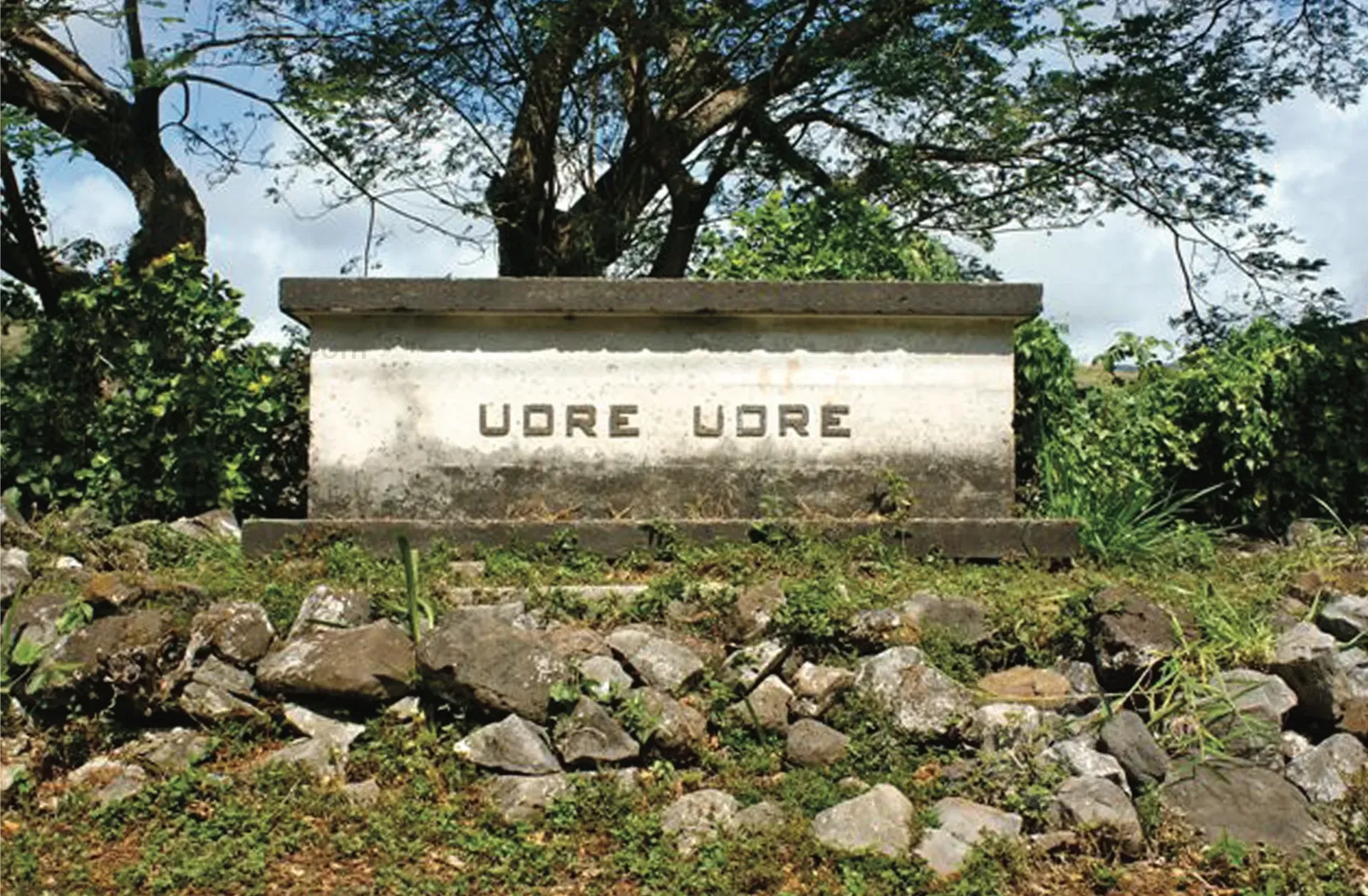
Perhaps Fiji’s most famous and inveterate cannibal was Ratu Udre Udre from Rakiraki in the province of Ra, about 3 hours north by road from Denarau. He is alleged to have eaten more than 900 people over his lifetime, placing a marker stone for each person; apparently, a common practice for the cannibal king fraternity at the time. He preferred not to share, and the bodies were recooked & recooked to keep them fit for eating until he had consumed them all. You can still see his grave beside the main road near to Rakiraki town in the north of Viti Levu.
The Sacred Ritual: Yaqona and Human Sacrifice
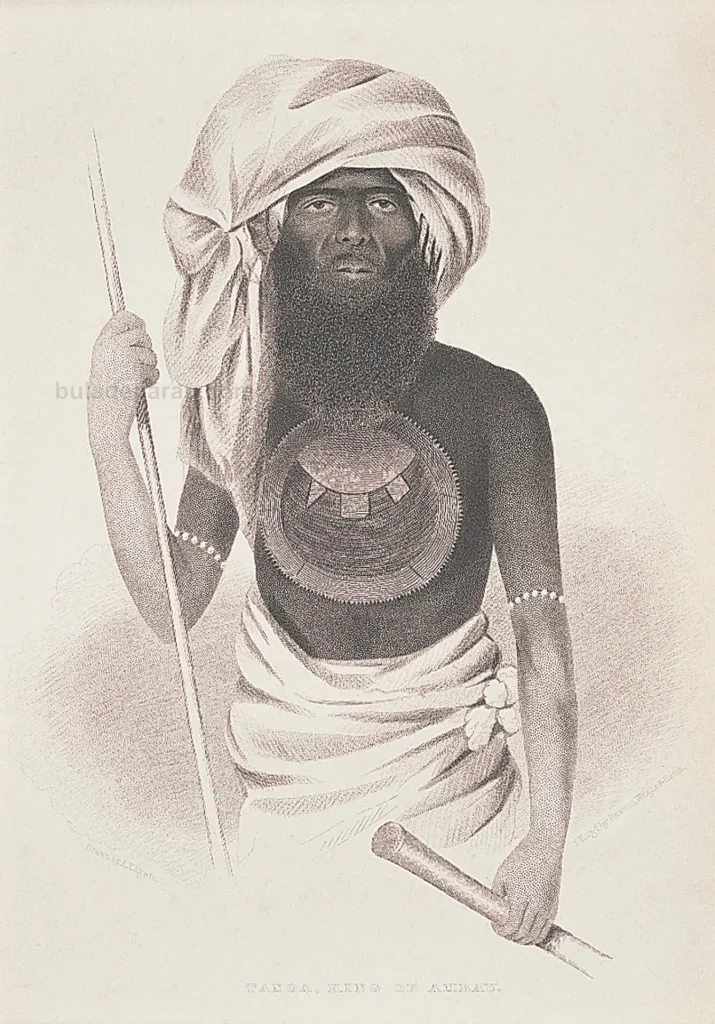
In the courts of chiefs like Tanoa and Cakobau, cannibalism was never a casual act—it was a deeply religious ritual bound to the spirit world. As recorded in the 1858 primary accounts of missionaries Thomas Williams and Joseph Waterhouse, before any sacrificial feast (bokola) could begin, priests (bete) and chiefs held strict, silent ceremonies to consume concentrated yaqona (kava). They believed this sacred drink allowed ancestral gods to temporarily possess the chief’s body, granting the explicit divine authority required to distribute the feast.
Cakobau converted to Christianity in 1854, prompting the conversion of tens of thousands of others and hastening the decline of cannibalism. But that took time, and in the meantime, one of the most infamous instances of cannibalism occurred.
The Fatal Mistake of Reverend Thomas Baker.
In July 1867, Reverend Baker, an English Methodist missionary, journeyed deep into the interior of Navosa to the mountain village of Nabutautau. His mission was to spread Christianity to the fiercely independent Colo hill tribes. Unfortunately, a profound clash of cultural protocols sealed his doom.
Depending on which history you read, the immediate catalyst for his execution varies:
- The Hat Story: Popular Western myths claim the village chief borrowed Baker’s hat, and Baker committed a fatal faux pas by reaching out and pulling it back off the chief’s head.
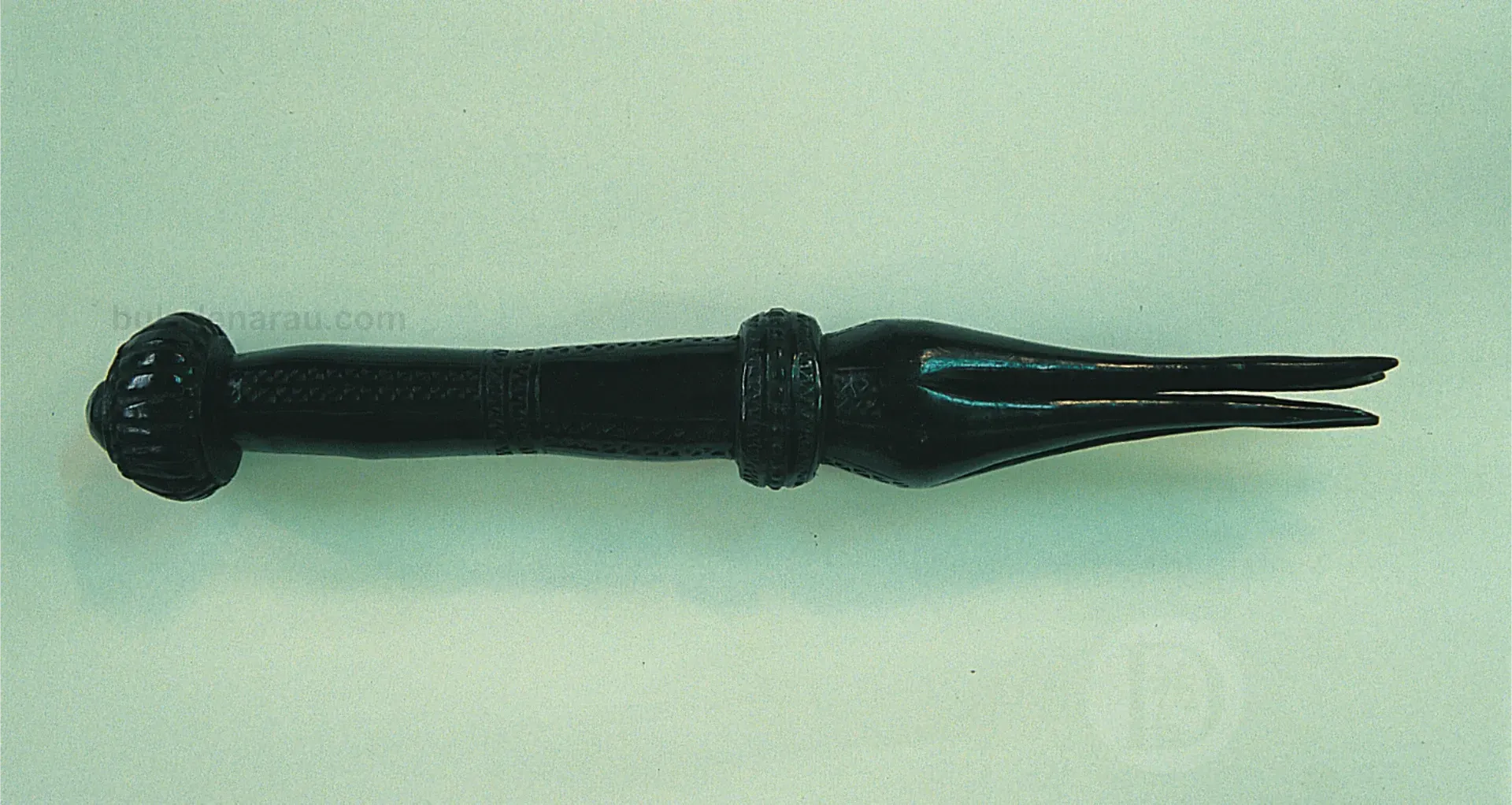
- The Comb Story: Local oral history and museum records point to a traditional wooden comb (i-seru). In this version, Baker allegedly reached out and touched or removed the comb directly from the chief’s heavily stylized, sacred hair.
In traditional Fijian culture, a chief’s head and hair are strictly sacred (tabu), and touching them was considered an act of war punishable by immediate death. However, modern historians note a glaring flaw in both theories: Reverend Baker was not a naive newcomer. He had lived and worked in Fiji for eight years, spoke the language fluently, and was deeply well-versed in local customs. For a man of his immense experience, carelessly touching a highland chief’s head seems highly improbable.
The true context of Baker’s death comes alive in A.B. Brewster’s classic 1922 account, The Hill Tribes of Fiji. Brewster, a colonial Resident Commissioner who spent forty years in the interior, reveals that Baker was actually the target of a pre-arranged political death warrant.
Stalked by a Sacred Tooth: Insights from Brewster’s Hill Tribes
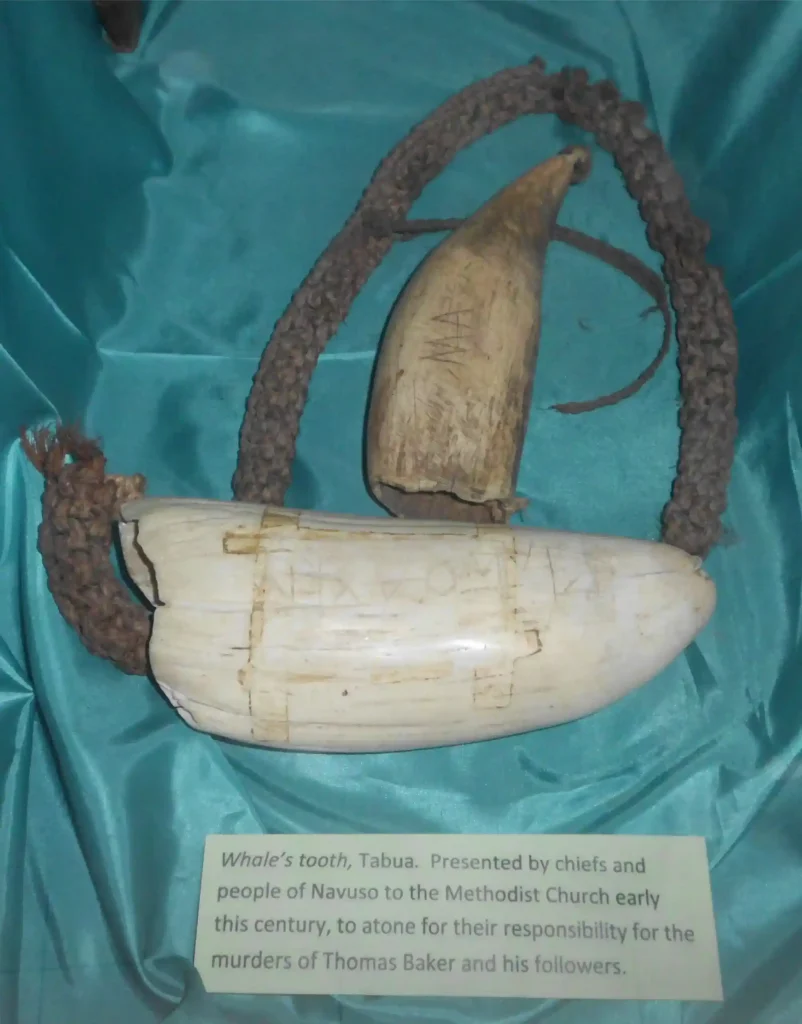
A powerful, anti-Christian coastal chief had secretly circulated a tabua (a sacred whale’s tooth) along the mountain paths. In 19th-century Fijian diplomacy accepting a tabua bound a tribe to carry out its accompanying request, which, in this case, was to assassinate the missionary.
Brewster notes that the tabua literally stalked Baker, moving secretly from village to village just ahead of his footsteps. Recognizing the deadly game being played, several graver mountain chiefs practiced careful statesmanship. Not wanting to start a wider conflagration, tribe after tribe refused the request and passed the tabua along. They earnestly begged Baker to turn back, warning him that his forward path was beset with great danger. But their admonitions fell on deaf ears. When Baker finally reached Nabutautau, the Vatusila people accepted the whale’s tooth. The protocol blunder combined with the tabua triggered the ambush. On July 21, 1867, Baker and seven of his assistants were killed.
The Great Boot Debate: Fact vs. Highland Myth
Following the ambush, the bodies were taken back to the village to be prepared for a traditional earth oven (lovo). It is here that the most famous—and heavily debated—detail of the incident occurred.
According to popular colonial myth, the highland warriors had never seen European leather boots before. Mistaking the tough leather footwear for a natural part of the white man’s feet, the tribe allegedly threw the boots directly into the lovo, trying desperately to chew the rubbery, boiled leather before giving up and joking that they “ate everything but his shoes.”
However, Brewster’s first-hand records reveal a fascinating twist: the Vatusila people themselves hotly resented this story. When Brewster became the Resident Magistrate of their district, the elders told him they were not such fools. They argued they knew perfectly well that leather boots were manufactured tools of the white man—in the exact same category as their guns, powder, axes, and knives—and they completely denied ever trying to eat them.
“Cannibal Spinach”
Whether the boots were baked or not, Brewster’s records unveil a gastronomic detail regarding the rest of the meal. The Colo tribes believed that human flesh possessed an incredibly heavy, “binding” nature. To counteract this, custom dictated that the meat must always be accompanied by a specific wild vegetable: mboro ndina (true spinach), scientifically classified as Solanum anthropophagorum—literally, the cannibal tomato.
Years later, while Brewster was drinking kava (yangona) in a circle with the valley’s headmen, an old greybeard chief looked around the room and dropped a bit of a bombshell:
“What is the use of lying? If the truth be known, I did eat part of Mr. Baker!”
The old chief explained that as a boy, the Vatusila warriors had sent one of Baker’s thighs wrapped in banana leaves to his father, the Chief of Nandrau. Wanting to avoid war with the white men, the chief ordered the meat thrown away. However, the chief’s son and some other small boys secretly snatched the bundle, cut it into small pieces, wrapped it in leaves (kovu), and cooked it with the proper mboro ndina spinach to safely consume it.
The Century of Atonement: From Stone Cairns to the 2003 Reconciliation
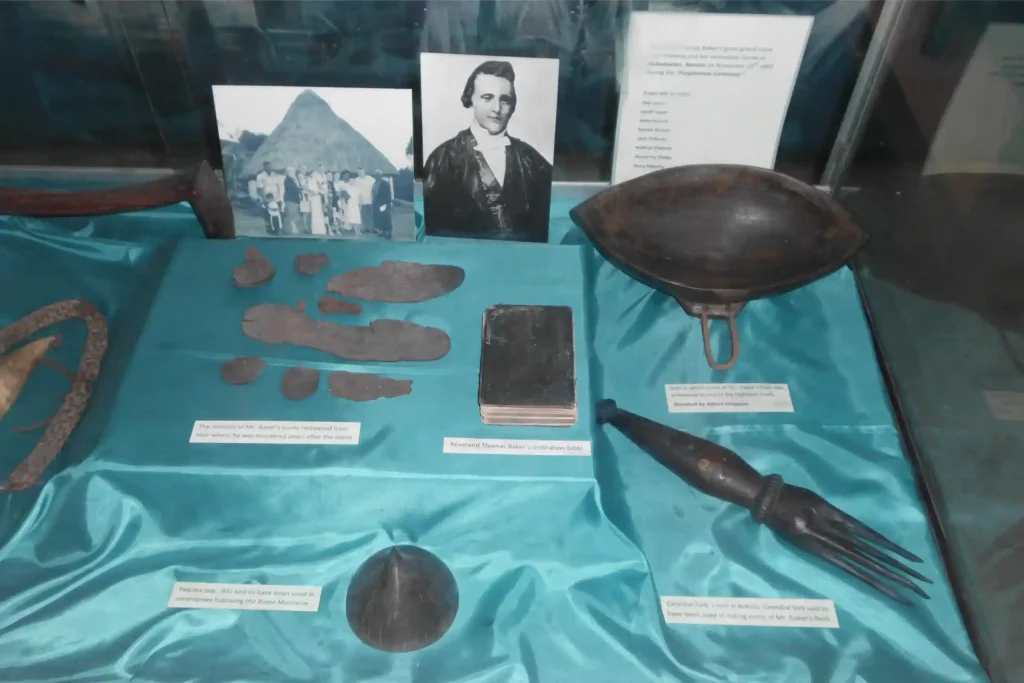
The weight of the murder heavily burdened the Vatusila people, who grew heartily ashamed of the misdeed of their ancestors. By the early 20th century, the son of the head chief had converted to Christianity and become a devout Wesleyan lay preacher. To honor the fallen missionary, the tribe erected a stone cairn in the pretty valley where the ambush occurred, planting lovely, scarlet-leaved native dracaena plants around it. Then, just before 1910, the Vatusila people held a great council and formally petitioned the government to grant 200 to 300 acres of the surrounding land to the Wesleyan Mission in fee simple—a massive, early territorial act of atonement to wipe the stain from their tribe’s name. A sacred tabua from the valley’s chiefs was also presented to the Methodist Church, which now rests in the Fiji Museum right alongside those controversial leather soles.
To permanently close the loop, the village organized a massive, deeply emotional reconciliation ceremony in November 2003. They tracked down and invited eleven of Reverend Baker’s direct descendants all the way from Australia to Nabutautau. The villagers wept, offered a massive presentation of 100 tabua, and begged the family for personal forgiveness.
Following this final, successful reconciliation, the community established the Reverend Thomas Baker Memorial School in Navosa. Today, the school stands proudly and serves as a bright beacon of education and hope for the children of the highlands.
Fiji’s legacy remains a savage and yet romantic one that has attracted interest from many people over time. The English poet Rupert Brooke visited Fiji in 1913. In a letter home, he wrote
“…I have been meditating a sonnet, as I sit here, surrounded by dusky faces and gleaming eyes:
The limbs that erstwhile charmed your sight
Are now a savage’s delight;
The ear that heard your whispered vow
Is one of many entrées now;
Broiled are the arms in which you clung,
And devilled is the angelic tongue: . . .
And oh! my anguish as I see
A Black Man gnaw your favourite knee!
Of the two eyes that were your ruin,
One now observes the other stewing.
My lips (the inconstancy of man!)
Are yours no more. The legs that ran
Each dewy morn their love to wake,
Are now a steak, are now a steak!
*Audio Recorded at Serua Island July 1957: G.K. Roth Collection, Museum of Archaeology and Anthropology, University of Cambridge. George Kingsley Roth served in the British colonial administration in Fiji from 1928 until 1957, eventually rising to the position of Secretary for Fijian Affairs. He held a Master’s in Anthropology from Cambridge University, England and was instrumental in creating the Central Archives of Fiji in 1954 to ensure the colony’s history wasn’t lost.