For partnership and business-related enquiries, please get in touch.
Languages of Fiji
The languages and dialects of Fiji offer insights into the country’s past, present and future. English is the language most often first used when different races interact, reflecting Fiji’s colonial history, serving as a common tongue and ensuring the country can more easily participate in the world community. Rest assured people understand you here when you speak English to them.
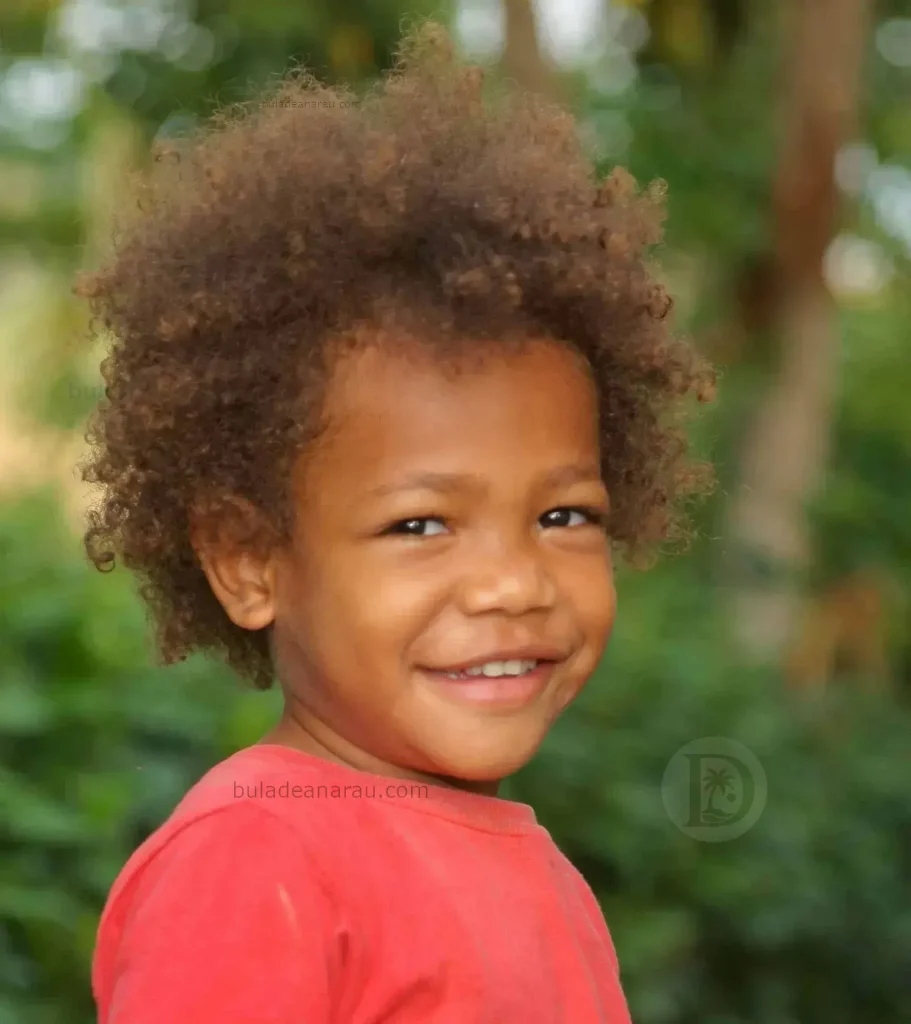
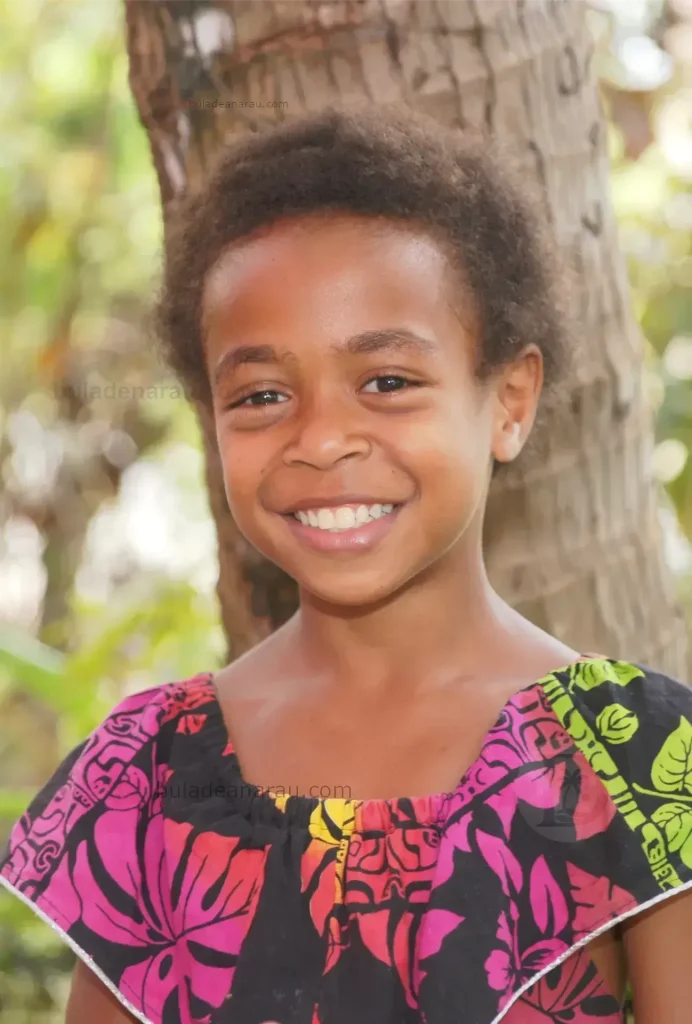
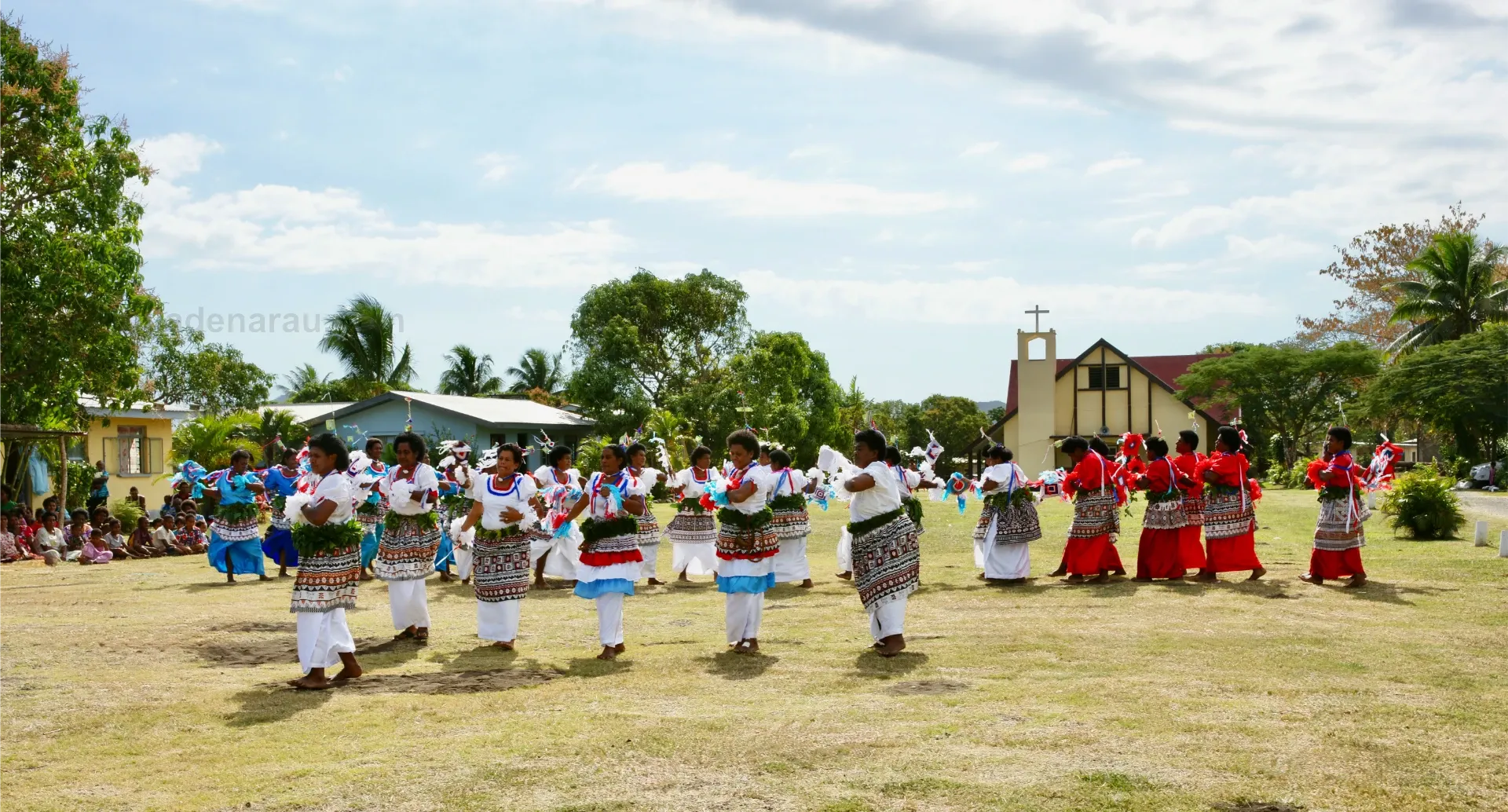
Never mind the fact that english is the common tongue. At its heart Fiji is a multi-lingual society. The iTaukei,commonly referred to as Fijians, are the traditional landowners, or descendants of Fiji’s earliest settlers and there are three hundred dialects of their language alone.
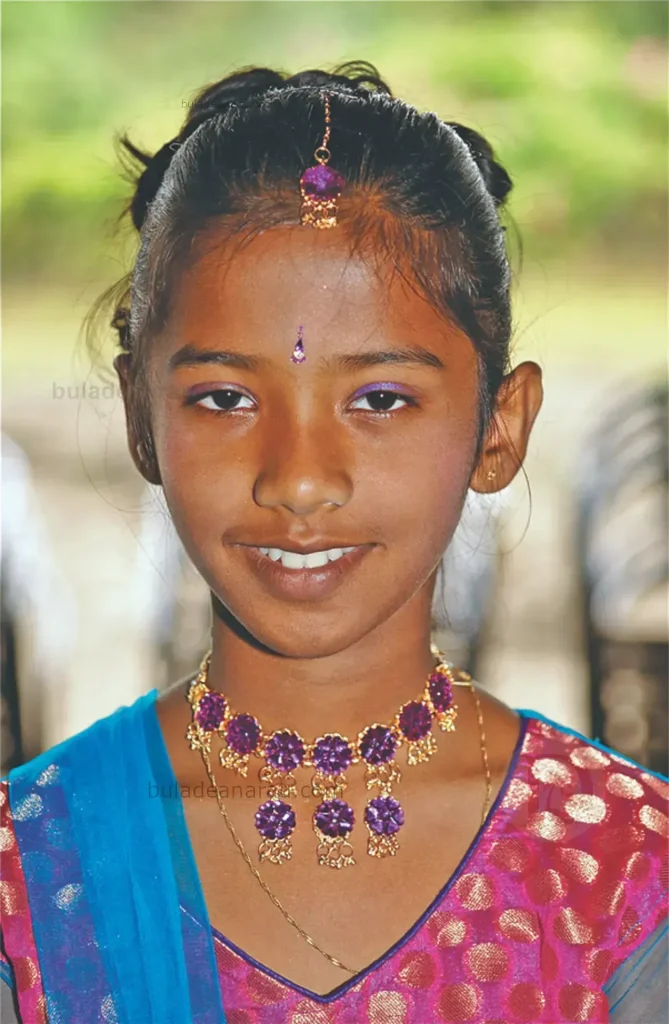
Some of the many languages of India can be found here, albeit in distinctly local form. Amongst other languages Cantonese and Mandarin can be heard here, and in some settlements Tongan, Samoan and the language of Kiribati are the everyday languages.
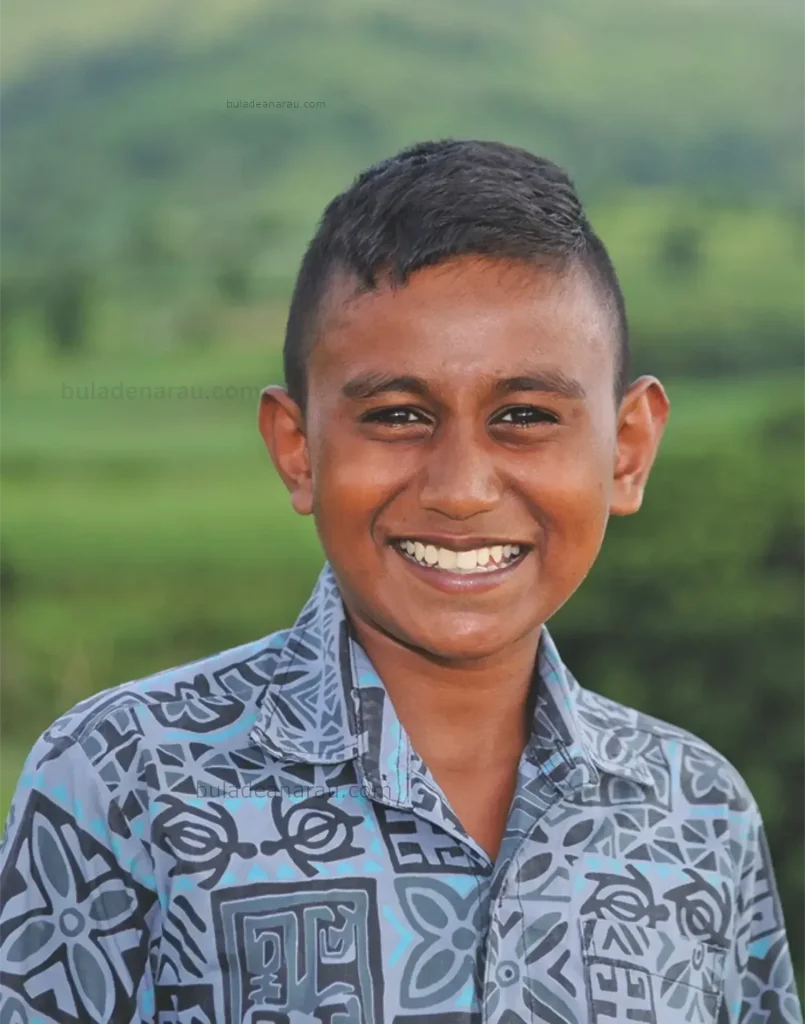
In schools English, Fijian and Hindi are compulsory and most of the people of Fiji are at least partly tri-lingual. Many are very fluent in all three languages.
Visitors to Fiji are often confused between how something is written and how it is spoken or pronounced in the Fijian language. One such confusion arises where place names are spelt as they are to be pronounced in English. For example the Mamanuca Islands which are clearly visible from Denarau and form the main part of the playgrounds of guests to Denarau. They are pronounced Mamanutha and that is the spelling used on sea charts, whereas all other spelling is Mamanuca.
Some useful tips for pronouncing the Fijian language correctly are to remember the following general rules:
“b” is “mb” as in mbula
“g” is an “ng” as in Singatoka
“d” is an “nd” as in Nandi
“q” is “ngg” as in finger
“j” is a “ch” as in Charlie
“c” is “th” as in the
We won’t get into the issue of vowel sounds but suffice it to say for many guests they can cause a problem. In fact a classic example of mispronunciation can be heard around the name Denarau itself. Many call it Denaroo- as in Kangaroo- whereas it is actually pronounced Dena-row -as in a row or argument.
As mentioned there are three hundred dialects of the Fijian language. The most common dialect that is used is that of Bau, historically an extremely influential area of Fiji. Denarau lies in the province of Ba, which has about thirty dialects of its own. A careful ear may catch locals saying cola, pronounced thola, instead of bula when greeting each other here. In some parts of Vanua Levu people say bula re in greeting instead of bula and in Ra in the north of Viti Levu the form of greeting is usually yadra, pronounced yandra, which generally means good morning in the rest of Fiji – but in Ra it is used irrespective of the time of day as a greeting.
Language is one of the tools used by anthropologists to help determine the origins of people. The accepted belief regarding the settlement of Oceania is that the first settlers originated from Taiwan. Those indigenous Taiwanese have all but vanished as people migrated from China to Taiwan around 700 years ago and displaced them. But their descendants live on across Oceania. DNA and language both attest to this fact.
A couple of examples of how language identifies the two peoples across the distances of time and space are the Fijian words tama and tina which mean ‘father’ and ‘mother’. These two words have exactly the same meaning in Rukai, which is one of the indigenous languages of Taiwan. The languages of Fiji’s Pacific neighbours are all closely related to Fijian; for instance the word for three is tolu not only here, but also in Tonga, Samoa, and in many languages of the Solomons and Vanuatu. In the Cook Islands and in New Zealand Maori it is toru.
The word for eye here is mata in Rukai it is maja, and in Maori it can also be mata. If you are interested in understanding more about the Fijian language a very good book is “Say Bula”, by Paul Geraghty, which is normally available at your Resort’s convenience store.
So go ahead and try some local language words, bula – as a greeting, vinaka -pronounced veenaka as thank you, vinaka vaka levu– as thank you very much. tulou- pronounced – too-low, for excuse me and moce– pronounced mothay- as goodbye, are a good start. If you feel more adventurous get hold of “Say Bula” and try some more words. The locals don’t expect you to perfect the pronunciation but they will love the fact that you have given it a go!
And if you really want to speak like a local, get used to saying ‘set’. It is the ultimate go-to word. It means what it says – everything is ok, good, it is, ‘Set”.