For partnership and business-related enquiries, please get in touch.
Wings from War
The New Zealand Pilot Griffiths took them up on their offer and deciding to make the most of it, got carried away. He flew so low around Nadi that he took out telephone wires and eventually crashed into a bure. And so they named the airfield after him.
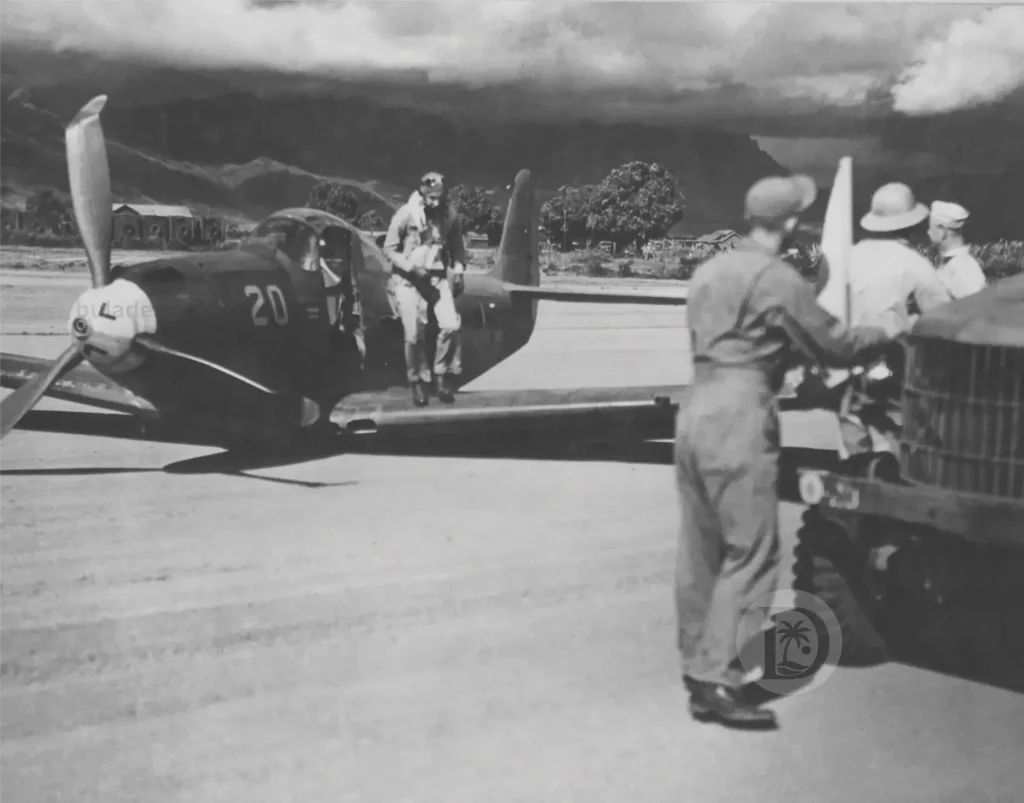
Picture: American National Archives and Records Administration
The once sleepy sugarcane fields of Nadi were irrevocably changed by the winds of World War II. In the 1930s Fiji was still an English colony and although there was no war as yet, strategic planners deemed its location, along with that of Tonga and other Pacific Islands, to be important for the security of Australia and New Zealand.
At the time, surprising as it may seem to us today, there were no airfields at all in Fiji.
In 1928, the famous Australian aviator Charles Kingsford Smith completed the first trans-Pacific flight. He flew from California to Australia, stopping in Hawaii and Fiji for fuel. When he arrived at Suva he landed in the small Albert Park sports oval.
In 1939, a New Zealand company, later replaced by the New Zealand Public Works Department, was contracted to build two airstrips atNadi. A timely project as in 1940 after the outbreak of World War II New Zealand assumed responsibility for the defence of Fiji, and at its zenith had around ten thousand troops stationed in Viti Levu.
Coastal defences were constructed, remains of which can still be seen. For instance, the Momibattery site, which is administered by The National Trust of Fiji, and makes for an interesting excursion from Denarau. The guns at Momi came off World War One British battleships and were originally intended for New Zealand coastal defences but were sent by New Zealand to Fiji as part of its defence commitment.
In 1941 America entered the war after the attack on Pearl Harbour by Japan. There was some conflict between Japanese war planners over their strategic aims, but what became apparent to America was that New Zealand and Australia and the resources they could provide to help the war effort, not only needed to be defended but were integral to its plans for winning the war.
The location of Fiji made it of strategic importance to both sides as whoever held it could control or threaten the sea-lanes and lines of communication between America and Australasia.
In 1942 America prepared to take over the defence of Fiji from New Zealand. In the first instance Fiji needed to be defended from a real potential Japanese threat.
The Nadi-Lautoka area was selected as the major base of operations. A port was established at Lautoka, a tank farm for fuel storage at Vuda, between Lautoka and Nadi, and there were by now three airstrips in Nadi. As well a seaplane base was located at Saweni, also between Nadi and Lautoka.
One airstrip was located in Martintar between the airport and Denarau. This was a navy airstrip used for training and staging purposes.
Another strip was located just outside Nadi town and used as a fighter training ground. The field was in due course named Griffiths Field after a New Zealand pilot. Griffiths used to fly between Nadi and Suva daily to pick up and deliver mail. At some point the Americans offered him the chance to take a cobra fighter for a spin. He took them up on their offer and deciding to make the most of it, got carried away. He flew so low around Nadi that he took out telephone wires and eventually crashed into a bure. And so they named the airfield after him.
The main field was located at Namaka and was where the heavy traffic came in; for instance bombers that would fly on to Tontouta airfield in New Caledonia, for action in the Solomons campaign. This airfield, while being improved and modified over the years, forms the basis of today’s Nadi Airport.
The victories of American forces in the battles of Midway and the Coral Sea removed any direct threat to Fiji and as the direction of the war moved on Fiji became less and less relevant as a base. The wartime infrastructure was wound down with the naval strip and Griffiths field closures. However Fiji was left with some pretty handy infrastructure that is still in use today, albeit with modifications and improvements. The airport and fuel tank farms at Vuda are obvious examples.
It is possible to compose a series of mental time-lapse images of Nadi as you fly in or out of the airport. Imagine sugarcane fields gently waving in sea breezes while farmers go about their business undisturbed, perhaps turning a gentle furrow behind a team of bullocks.
Then the advent of the first air field, then three airfields, a port with ships, aircraft carriers and aircraft buzzing all around, and then a few years later a gentle reversion to a more languid and placid atmosphere; a pace of life more consistent with Fiji today! There you go, get a window seat and grab a glimpse into a piece of Fiji’s present and past!
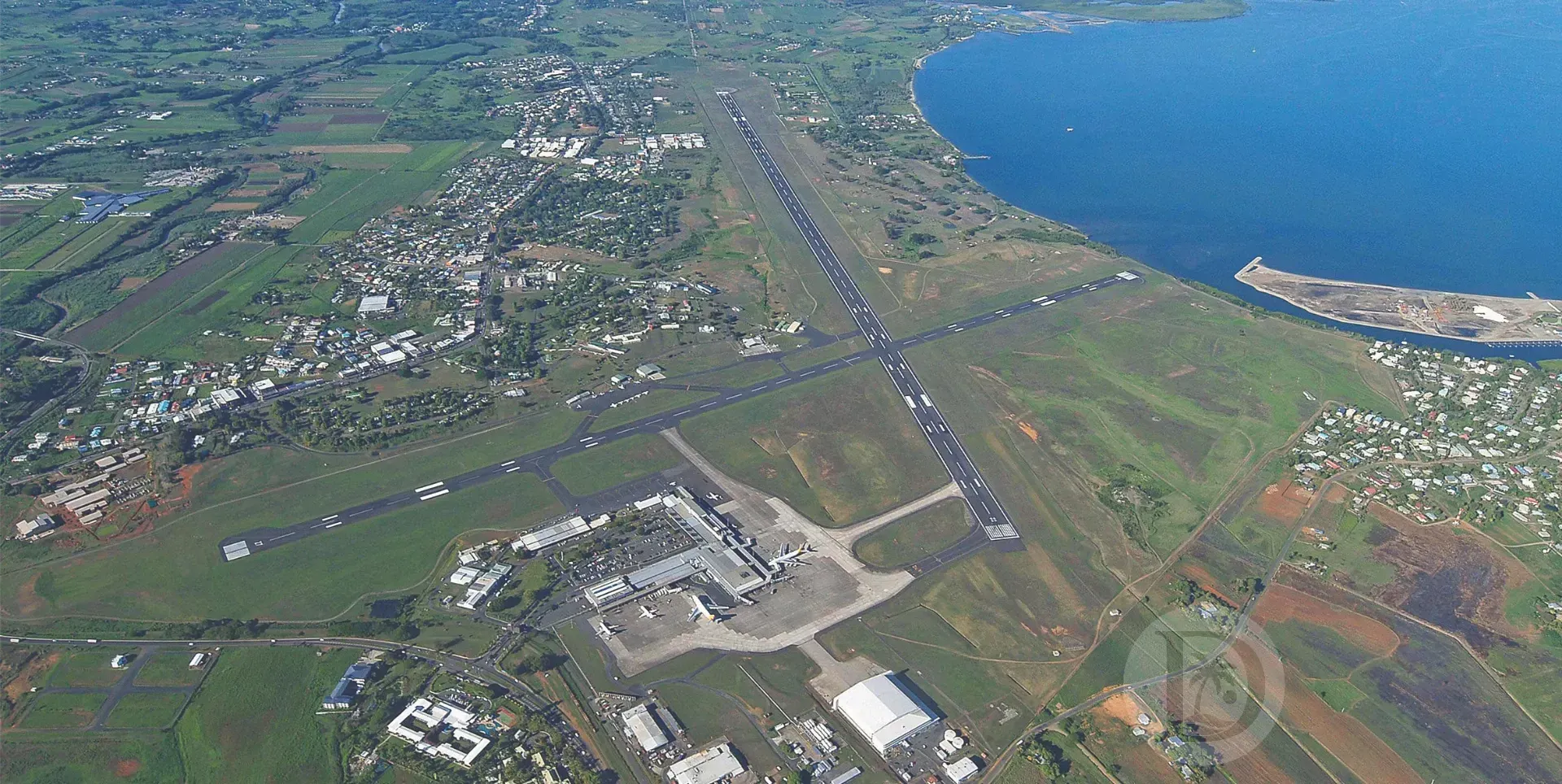
Picture: Fiji Airports.
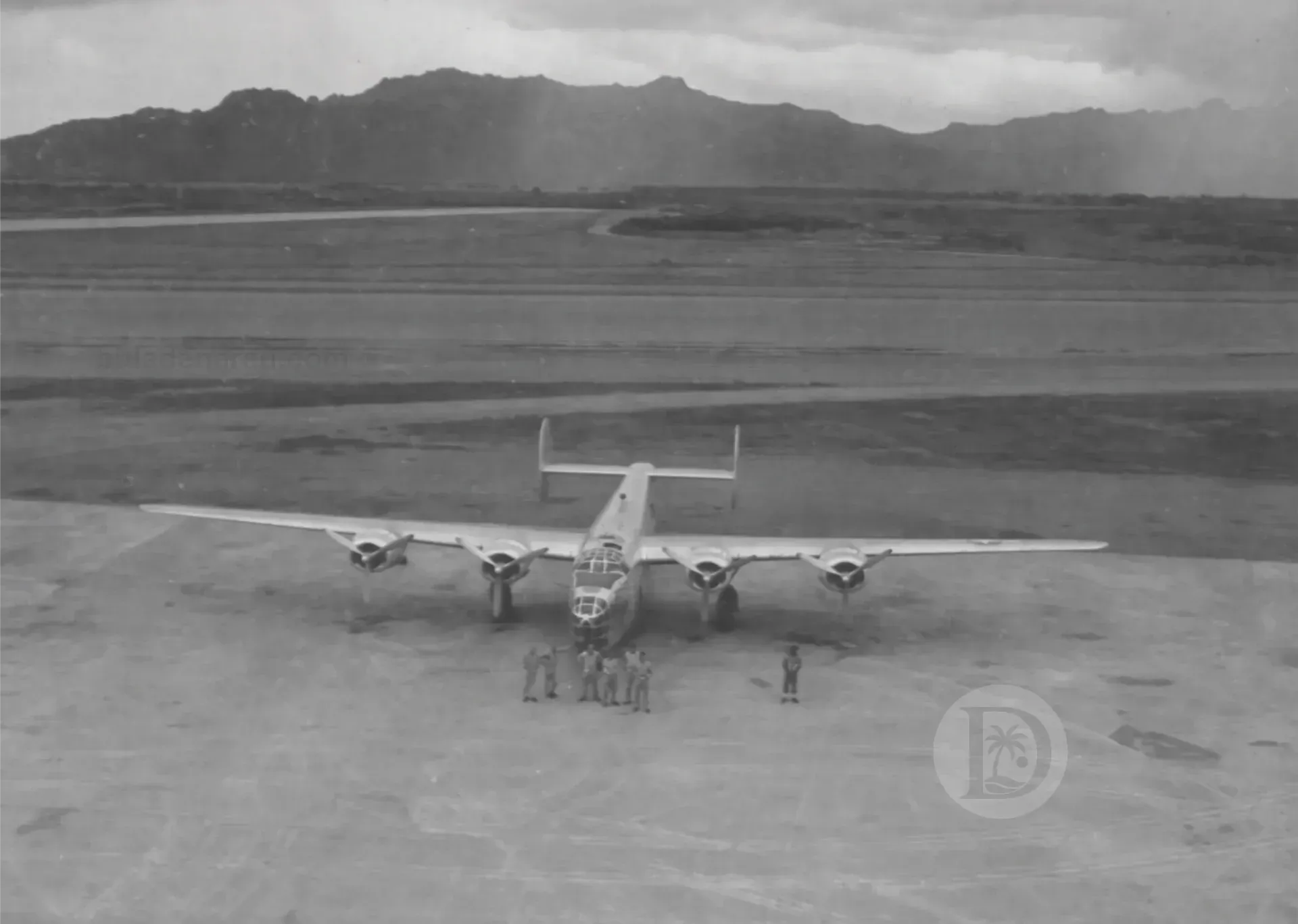
Picture American National Archives and Records Administration
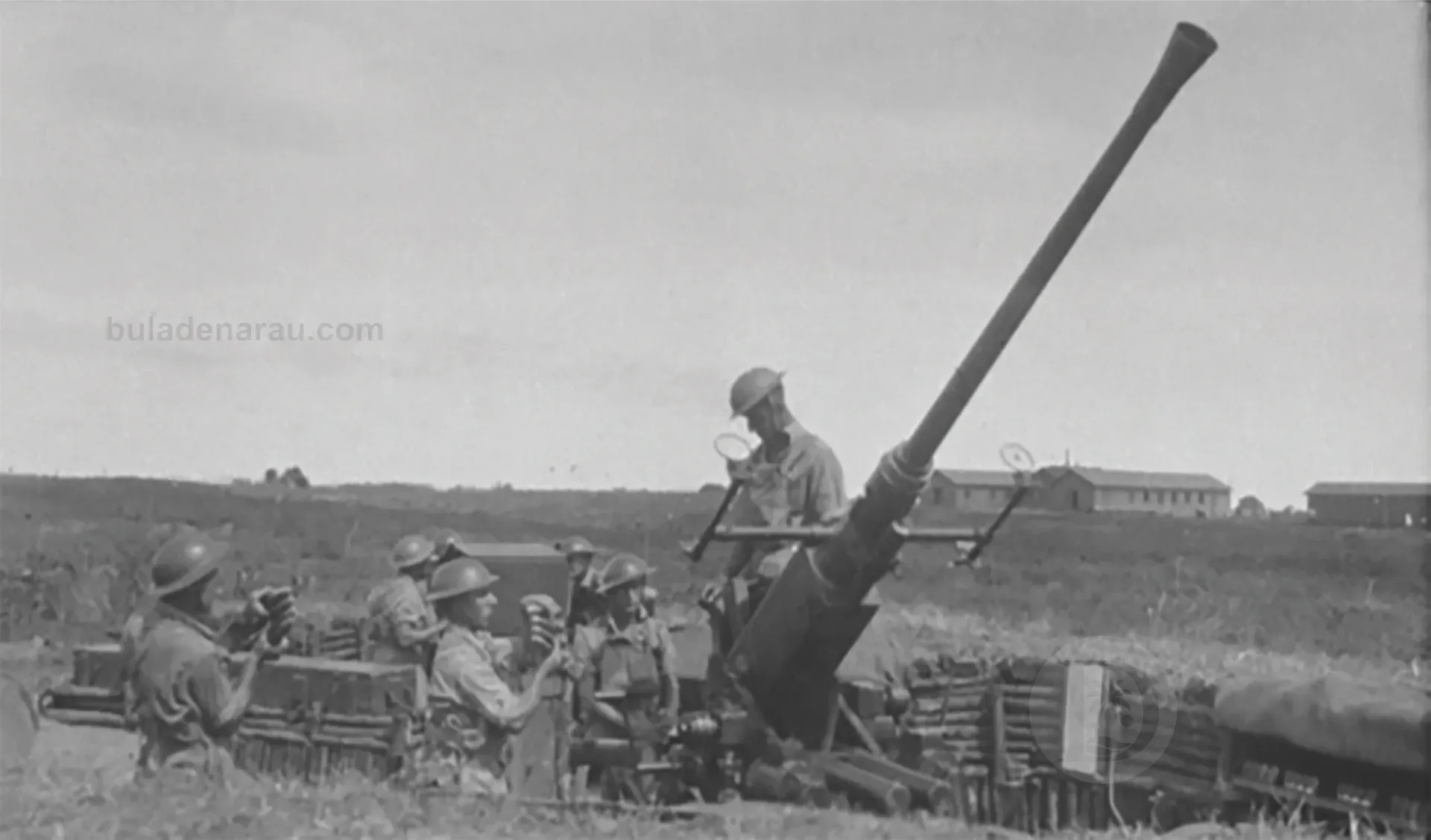
Picture can be found in the public domain or at Alexander Turnbull Library ref DA-03358-F The U.S. National Archives and Records Administration.