For partnership and business-related enquiries, please get in touch.
Gods & Legends – Degei & Kalia – Fusion of the Snake Myths
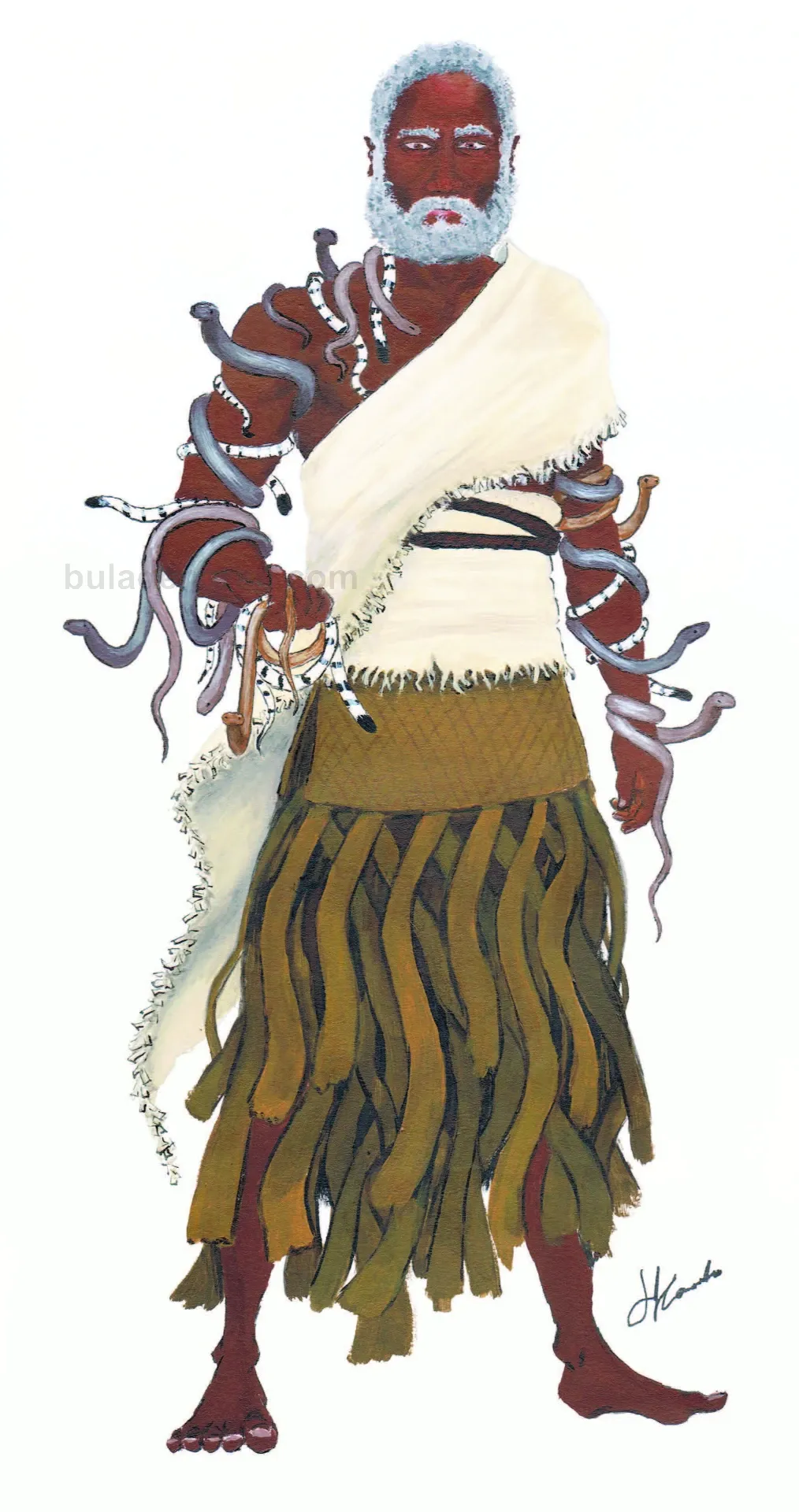
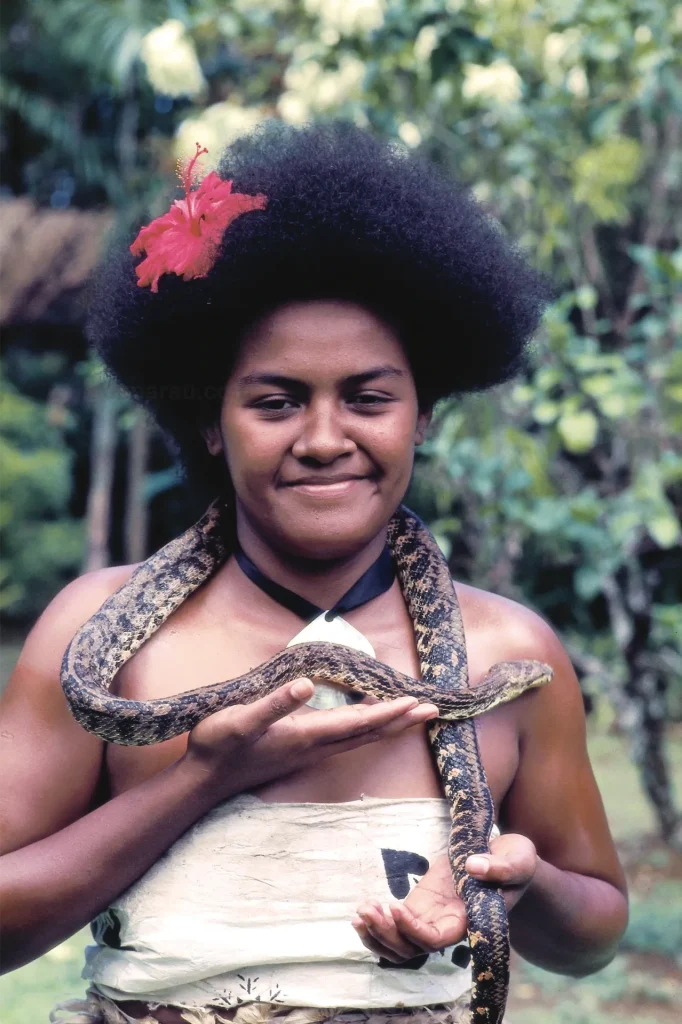
In the myth he also appears as a giant snake. From him derived the snake cult where snakes were viewed as offspring of the origin. Accordingly snakes were revered, guarded as sacred sites and when found could be gathered up, anointed with oil and taken to temples.
Fiji is a land rich in Customs, Legends and Myths. The many differing racial and religious origins and belief systems highlight both differences and similarities between its people.
Fijian myths and pre-Christian religion recognised a wide pantheon of Gods and Spirits. The more important and powerful were revered, feared and befriended. These gods were those such as Dakuwaqa the ‘shark god,’ and Ravuyalo the ‘soul slayer’ who waited to Club departed spirits as they navigated the path of the afterlife.
But there were also a whole range of lesser spirits that were encountered in daily life. Some of the spirits wandered about assuming many forms such as fire and animals and men. They were male and female, ate and drank and had human feelings and vices. Over the years and after European contact, and Christian conversion, the spirits assumed the name of tevoro which may actually be derived from the English word of Devil.
The Influx of people from India from the 1870s onwards introduced Allah and Gods such as Shiva, Ganesh and Krishna, along with colourful ceremonies and festivals of various Indian faiths, beliefs and traditions.
In one unlikely coincidence two myths from both the Fijian and Indian traditions coincide in Fiji.
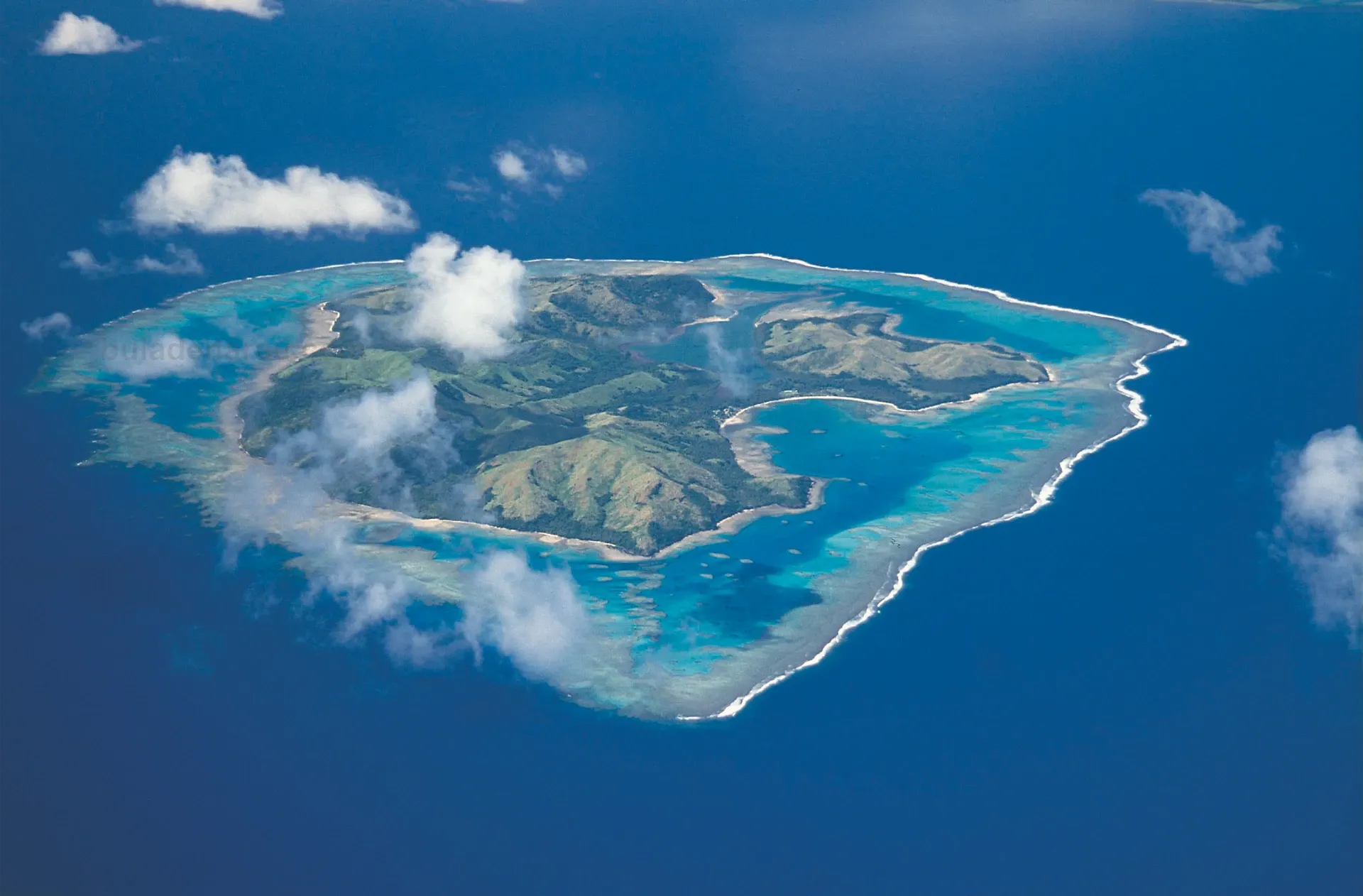
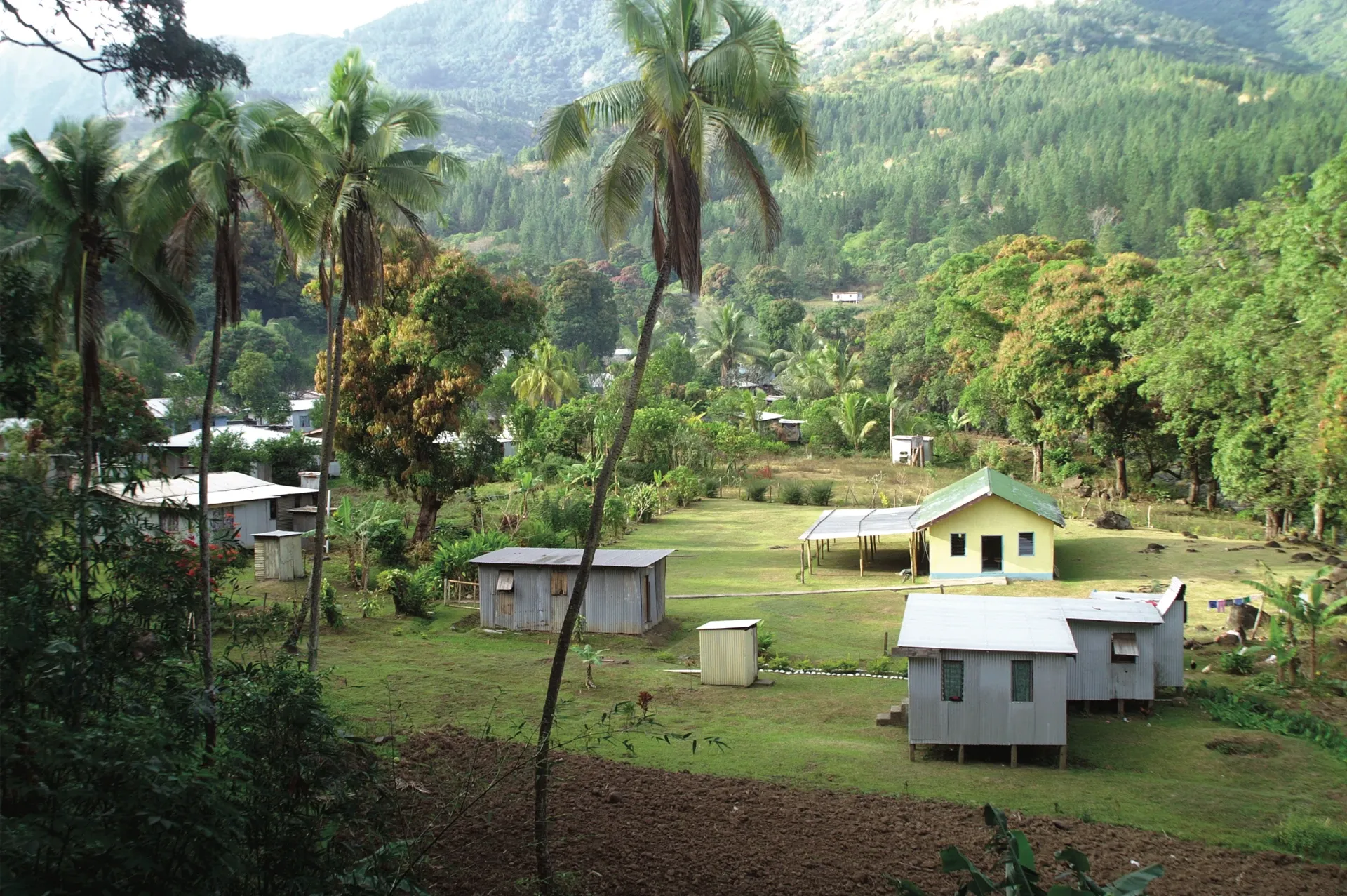
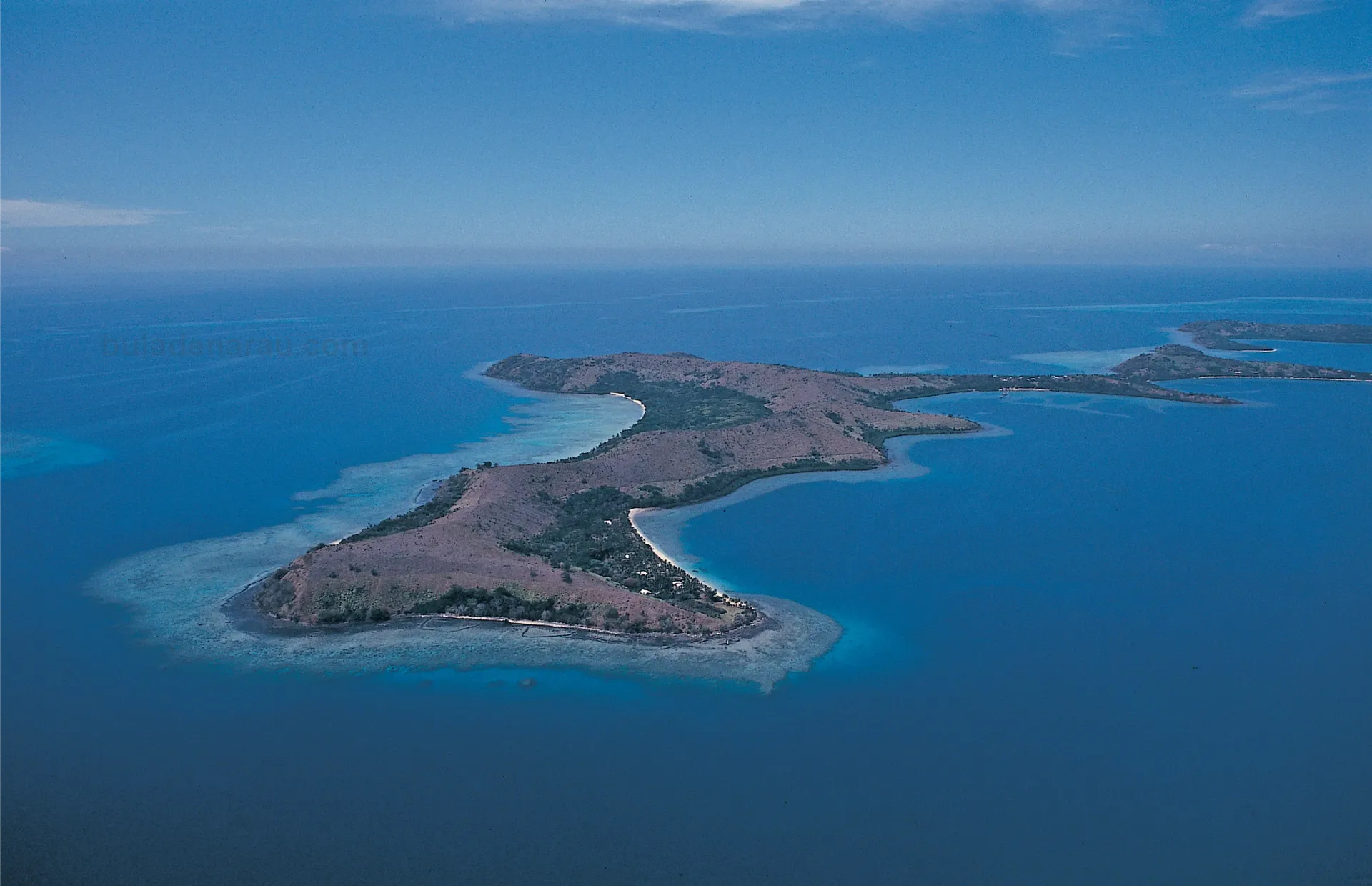
Of the pre-Christian Fijian gods the one most widely recognised was Degei who was viewed as a father figure or as the preeminent God. One version of the myth holds that he was the originator of the Fijian race in Fiji. He led the migration to Fiji, landing at Vuda about 30 minutes north of Denarau. From there he travelled north along the coast to the Ra area where he took up residence in a cave in the Kauvadravadra Ranges. In the myth he also appears as a giant snake. From him derived the snake cult where snakes were viewed as offspring of the origin. Accordingly snakes were revered, guarded as sacred sites and when found could be gathered up, anointed with oil and taken to temples.
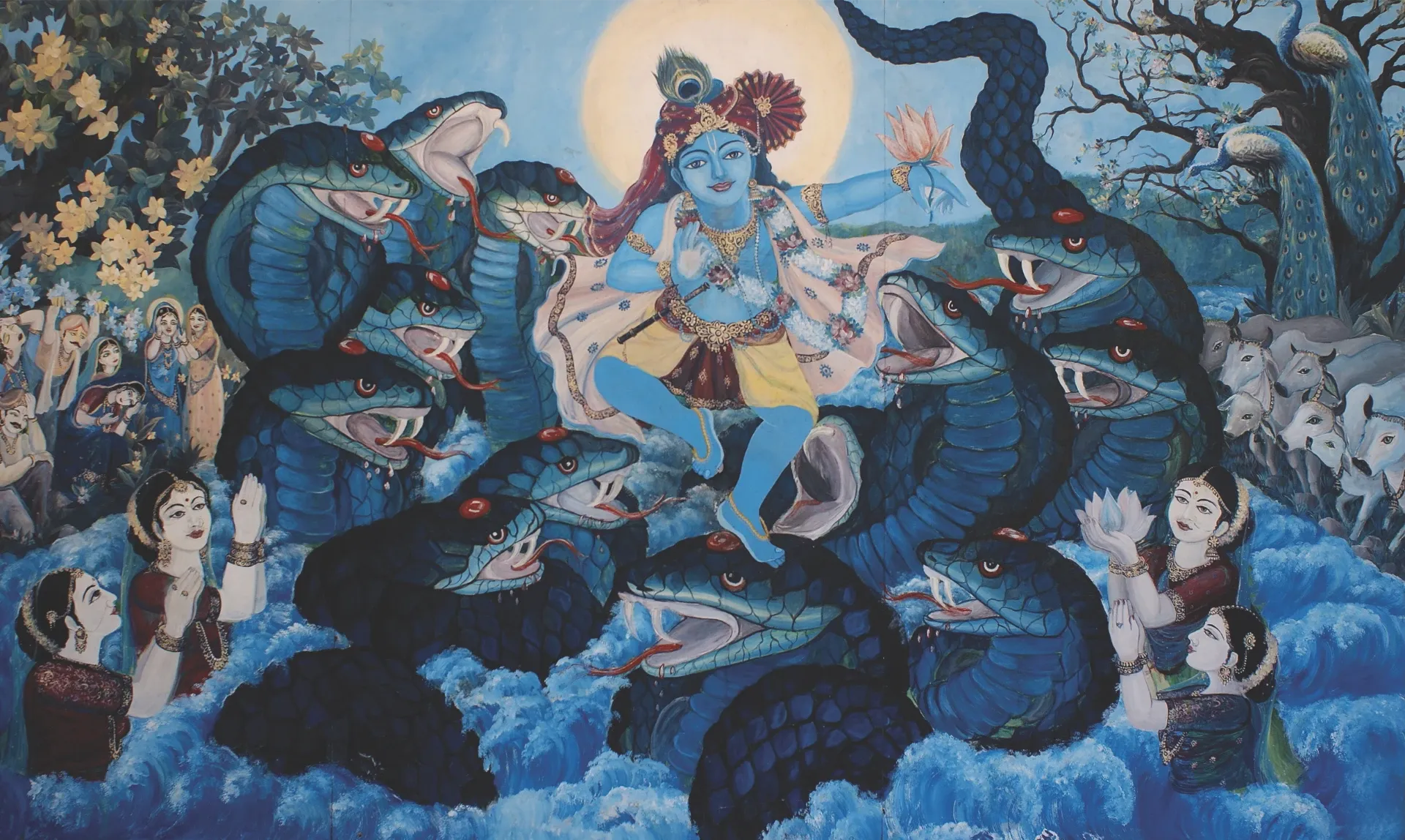
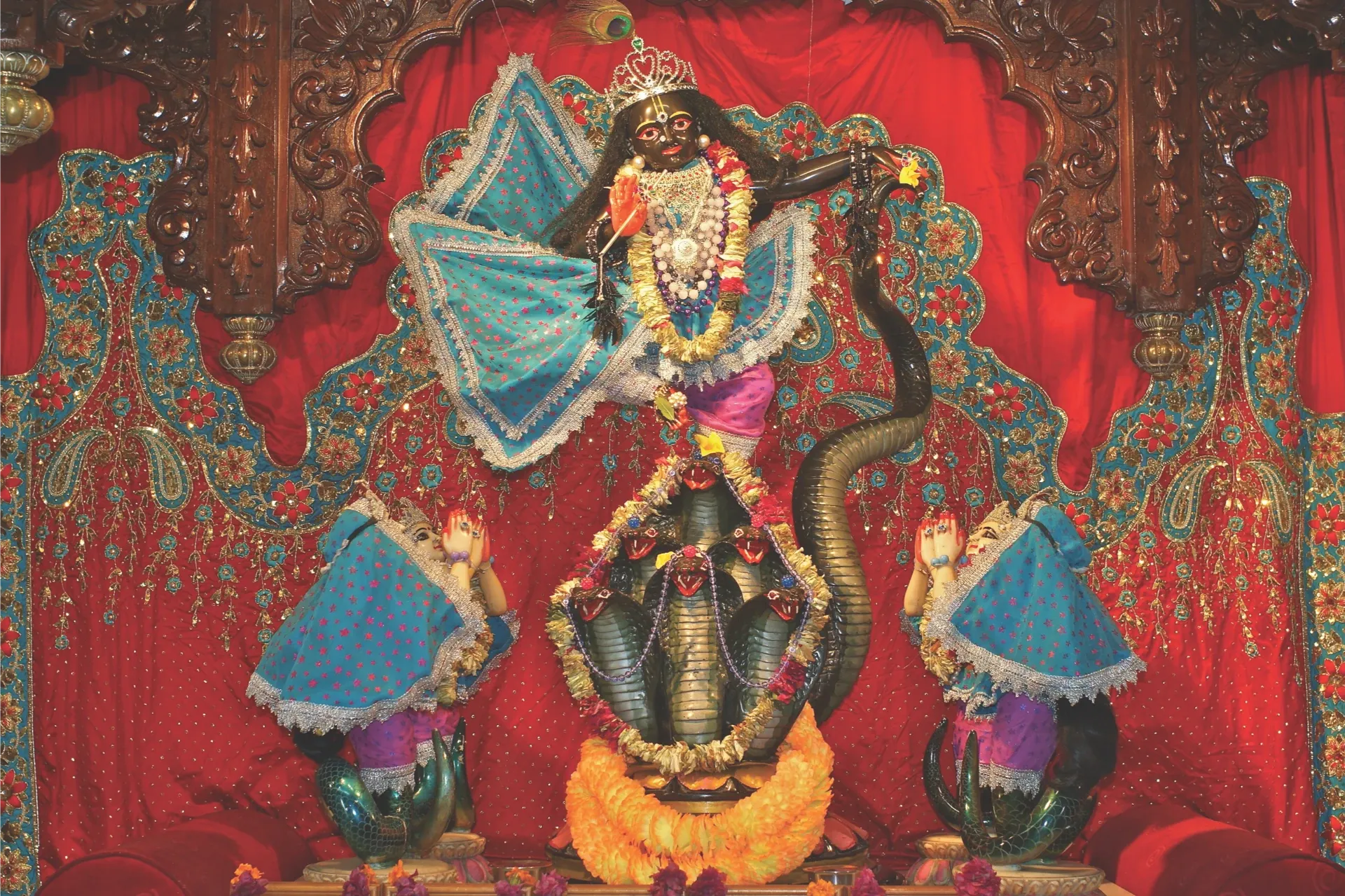
There is an Indian myth of Krishna and the snake Demon Kalia. One version of the myth goes as follows: Kalia was a many-headed snake that resided in a lake in India. His poisonous breath polluted the water and killed the livestock nearby. One day Krishna was playing by the lake and challenged Kalia. The serpent encircled Krishna and dragged him down into the lake. In the ensuing battle Krishna prevailed. Kalia submitted to Krishna’s supremacy and Krishna banished Kalia to the South Pacific. In a happy coincidence the myth of Degi already existed in Fiji and it was assumed that Degi and Kalia were one and the same and residing in the Kauvadravadra Ranges behind Rakiraki in the north of Viti Levu.
One relatively recent piece of local folklore attests to the fact that the myths live on. Vatukola Gold Mine is located about halfway between Denarau and the supposed residing place of Degei and Kalia. According to the story, when tunneling underground, the mine’s engineers came across a chamber where they found giant pieces of snake skin. Aware of what they were looking at they at once closed up the chamber and sealed it for good for fear of incurring the wrath of the god!
Although snakes were once plentiful in Fiji they were, somewhat ironically, decimated by the introduction of the mongoose from India. Introduced to control rats and mice that ate sugarcane, they also preyed on the defenseless snakes.