For partnership and business-related enquiries, please get in touch.
Bligh’s Islands
Think of the feelings of the men on that small boat – only 23 feet or 7 meters long – heading into darkness and knowing there was more than 3500 miles between them and civilisation in the Dutch East Indies – now Indonesia. In between was the vast uncharted Pacific Ocean.
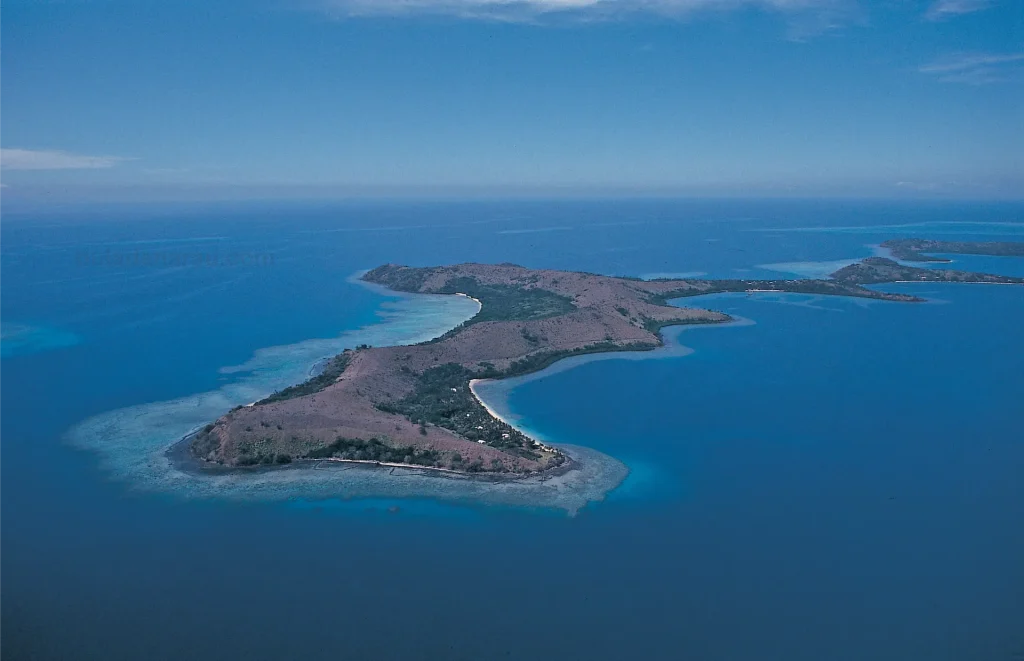
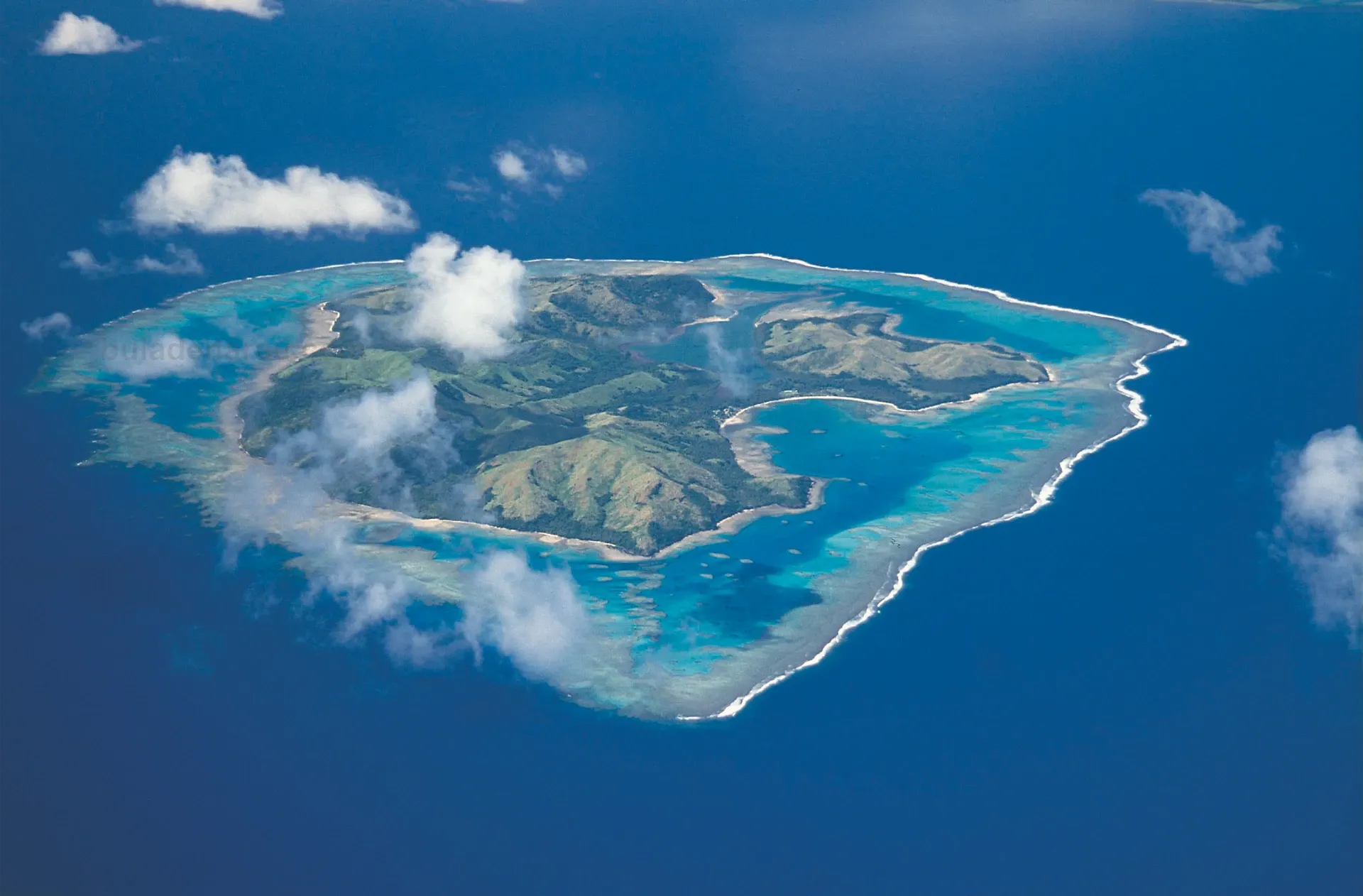
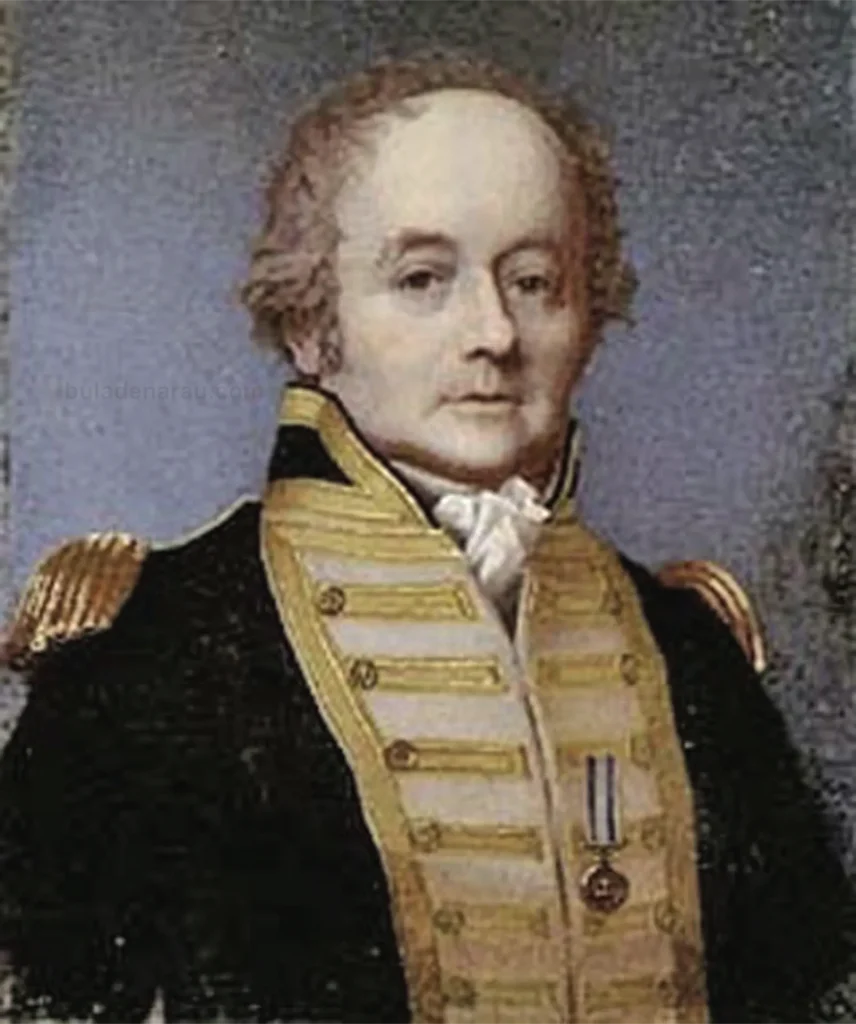
Step onto the sandy beach at Denarau Island and you are stepping into an amazing piece of history. For the warm sea that surrounds Denarau Island mixes and mingles with waters that flow from Bligh Water. Bligh Water is named in recognition of one of the most outstanding feats of seamanship ever recorded and subsequently celebrated in books and a number of major feature films. It all began approximately 250 years ago. Captain William Bligh was commissioned to sail from Britain to Tahiti where he was to arrange a cargo of breadfruit trees. He was to then take the trees to the West Indies for them to be cultivated for food for slaves on sugarcane plantations.
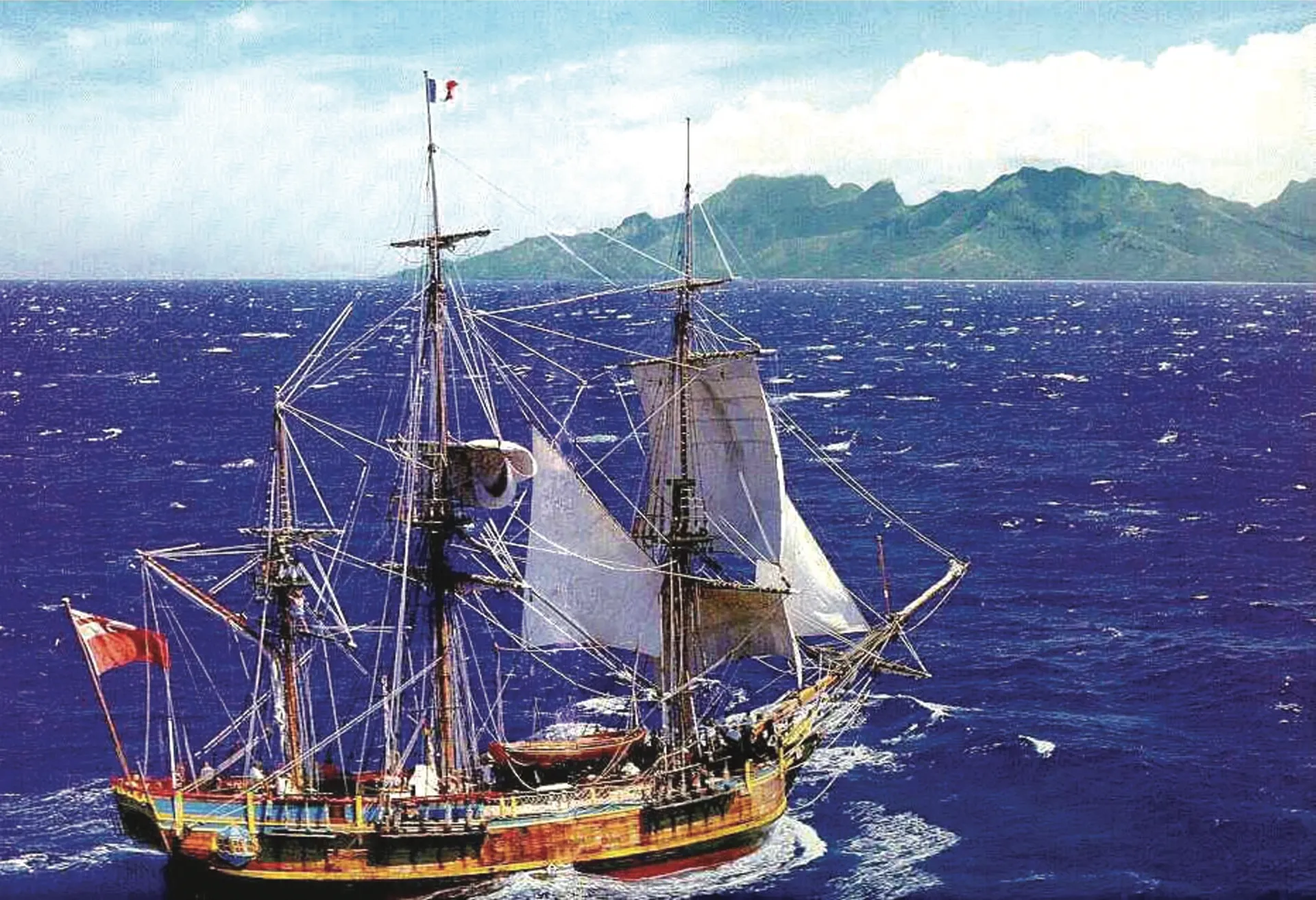
The Bounty left England in August 1787 with a crew of 44, including Bligh’s family friend Fletcher Christian.
It was a difficult voyage. The Bounty could not round the Horn into the South Pacific and Bligh bore away to the Cape of Good Hope in South Africa, passed to the south of Tasmania and reached Tahiti in 10 months in 1788.
Six months later, laden with a cargo of more than 1000 breadfruit trees, The Bounty set sail for the West Indies. The events that followed are the stuff of legend. Bligh lost his ship to mutineers, led by his friend Fetcher Christian. The mutineers put Bligh into a ship’s boat with 18 loyal sailors, gave them some provisions and water and cast them off to take their chances. They faced a terrifying ordeal. Imagine their thoughts as they headed off into what many of them believed would be certain death.
The mutiny took place in Tongan waters, near the island of Tofua. Bligh made for the island but found the natives truculent and menacing. Armed with four cutlasses, Bligh and his men took shelter in a cave by the beach to the sound of the Tongans clashing stones together and making their intentions clear.
As evening drew near, the castaways made for their boat anchored off the beach. The Tongans attacked, killing one of the crew who was trying to release a stern line tied on shore. The Tongans seized the stern line and began to haul the boat to the shore at the same time pelting it with stones. Bligh cut the rope and the men laid too with the oars, endeavoring to get clear of the showers of stones cast at them by the natives from canoes launched in pursuit. Bligh ordered clothes to be thrown overboard, which the Tongans stopped to collect, and thus delayed the pursuit, allowing the castaways to get away into the night and into legend.
Think of the feelings of the men on that small boat – only 23 feet or 7 meters long – heading into darkness and knowing there was more than 3500 miles between them and civilisation in the Dutch East Indies – now Indonesia. In between was the vast uncharted Pacific Ocean.
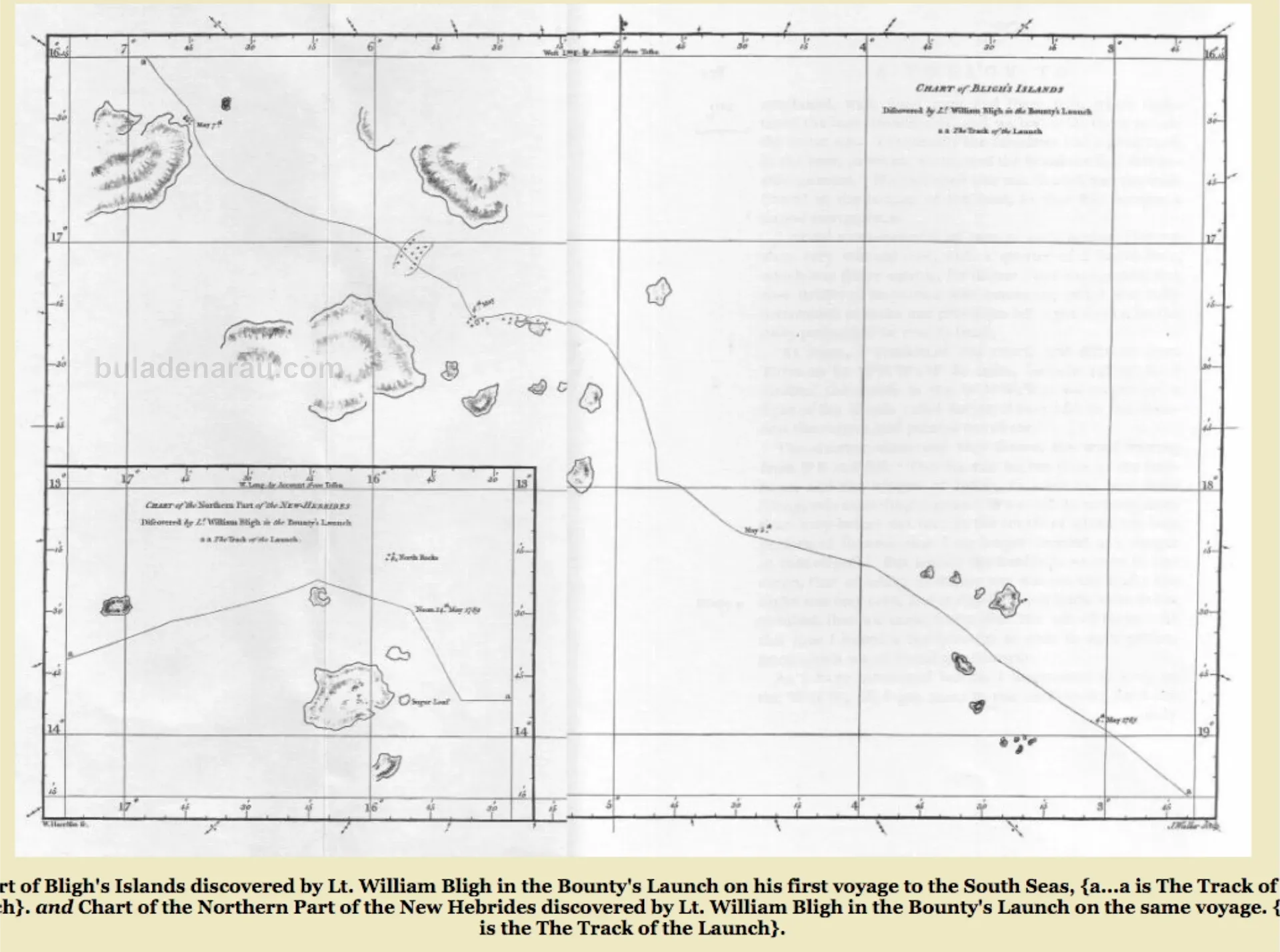
It was now that Bligh was to prove himself an outstanding leader and seaman. He devised a daily ration of the meager provisions and water, having calculated the length of the voyage and made sure this was honestly applied. He also devised a log, which gave the distance run each day, and he charted the positions of the islands they raised.
Two days after leaving Tofua an island was sighted. It was one of Fiji’s Lau group. Aware of Fiji’s reputation as the home of warlike cannibal warriors Bligh kept on his course to the North West and stayed clear of landfall. The boat passed through Fiji and later the Islands became known as Bligh’s Islands and the water between the Islands of Viti Levu and Vanua Levu and the Yasawa islands became known as Bligh Water, the name it retains today.
It took 41 days to sail to Timor over a distance of 3618 nautical miles. He did it without a single loss of life of those on board apart from the seaman on Tofua.
And what of the mutineers? Why did Fletcher Christian mutiny against his friend William Bligh? Was it because of Bligh’s erratic behavior or was it because of the six idyllic months the men spent in Tahiti and the relationships they had formed with Tahitian women? The jury is still out on this question. The mutineers who had remained in Tahiti were hunted down, brought to England, tried and when found guilty hanged from a yardarm of a naval vessel. But this fate was not for Fetcher Christian and the core of the mutineers. Knowing the British navy would not rest until they were found, they sailed for remote Pitcairn Island where they settled with their Tahitian wives and those Tahitian men who had chosen to accompany them. The Tahitian men eventually killed Fletcher and all but one of the other mutineers following a dispute over land. The Tahitian women hid John Adams, one of the mutineers, and in turn killed all the Tahitian men. Descendants of the mutineers live on remote Pitcairn to this day.
William Bligh was honored by the British Admiralty for his remarkable voyage and led a distinguished life in the service of his country. Breadfruit trees were taken to the West Indies but the slaves did not want to eat the fruit.
Move forward into the warm water and as it laps your ankles, try to imagine yourself standing there 250 years ago. A place of fierce warriors and cannibals, now one of the friendliest people and places in the world.
From A.B Brewster, The hill tribes of Fiji 1922