For partnership and business-related enquiries, please get in touch.
Bula – Your Arrival and Practical Fiji Tips Guide.
Bula and welcome! To arrive in Fiji is to be greeted by its unique tropical air and the deep, resonant harmonies of a welcoming song. But before the “Bula” spirit can fully take hold, there are the practicalities of the journey. For the traveler staying on Denarau, or anywhere, the transition from the airplane cabin to a poolside lounge chair is a short one, provided you know the “rhythm of the road.”
This guide is designed to make your arrival and movement as uncomplicated as possible, ensuring that “island ease” begins the moment you touch down at Nadi International Airport. Read it, save it and come back to it to check for updates, and share it with fellow travellers.
Nadi Arrival: The Top 7.
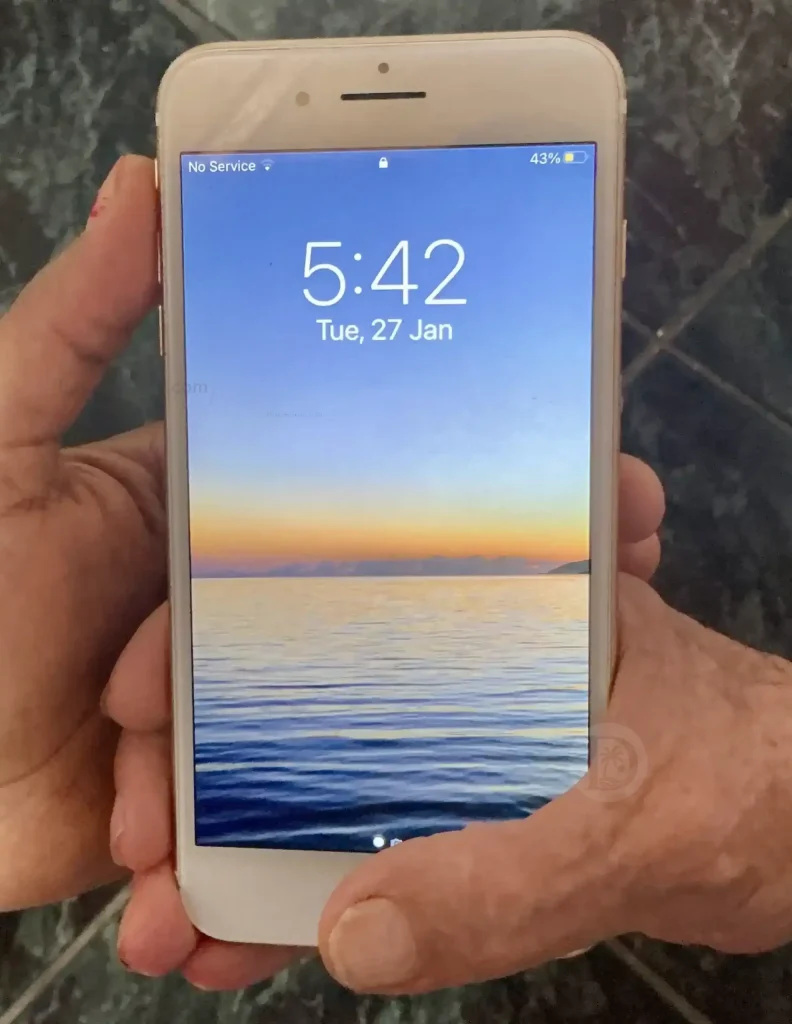
- SIM Card and data: Get it at the airport arrivals hall before you leave. There are two network providers – Vodafone and Digicel. Pro tip – get both. The two networks perform differently depending on your destination and locations. Don’t guess, just get both packages.
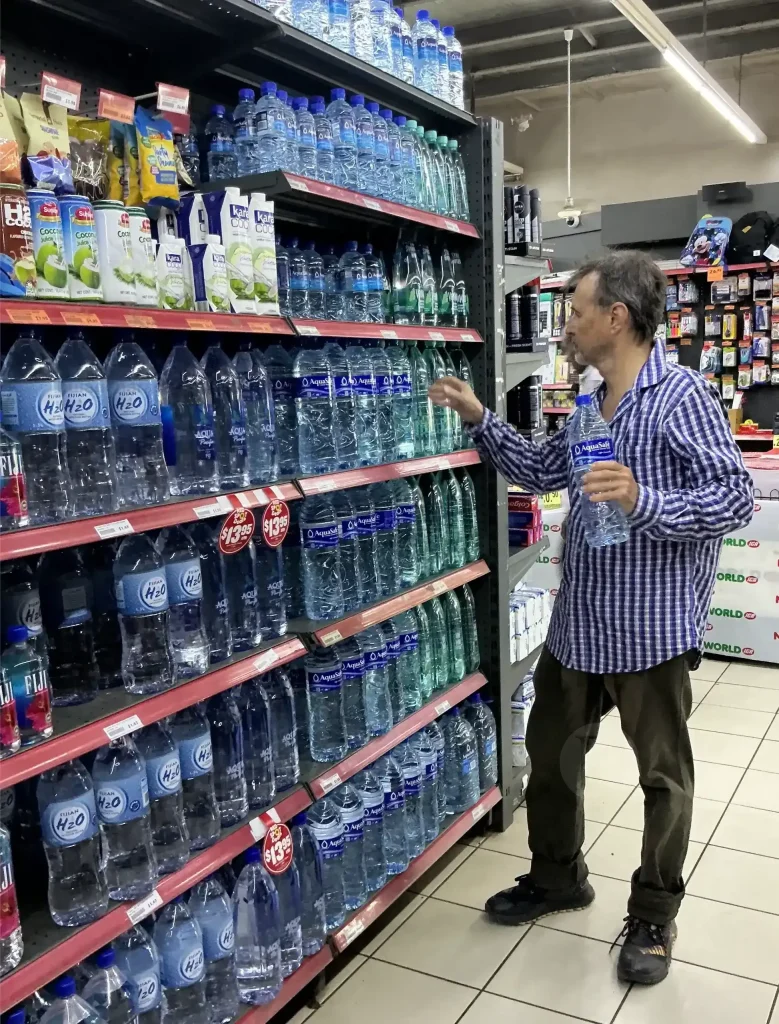
- The Stop: Ask your driver to stop at a Nadi supermarket for water/snacks—they are happy to wait!
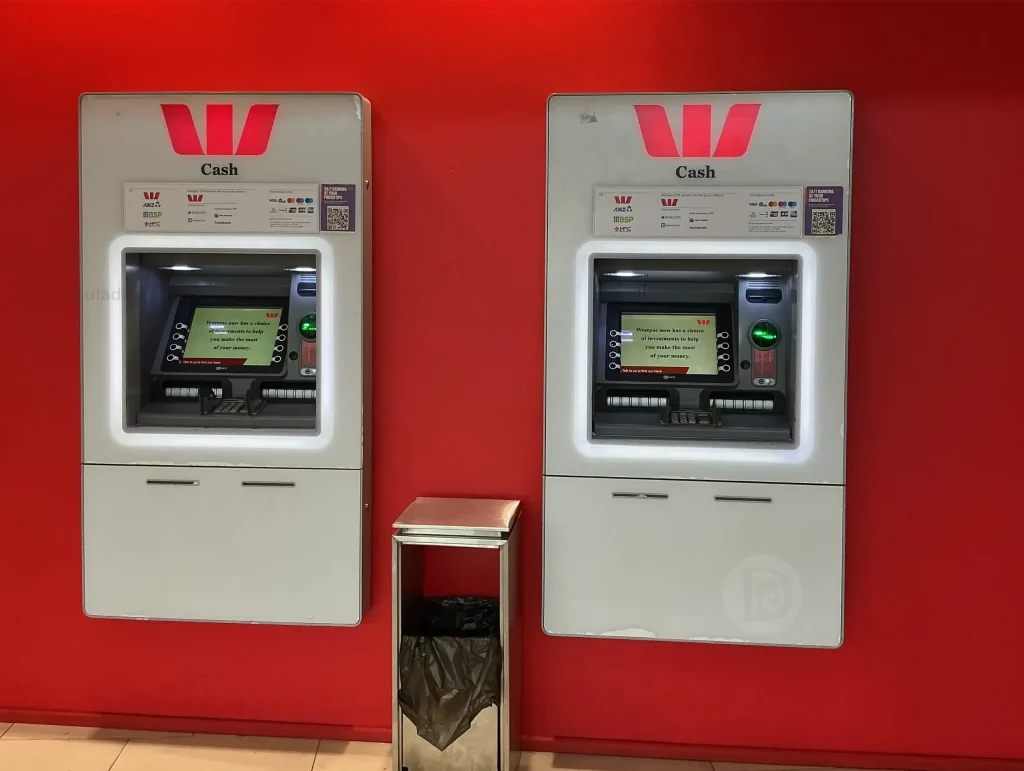
- Cash: Get FJ$200 in small notes ($5 and $10) specifically for tips and market visits for fresh fruit and vegetables. If the ATM won’t give you small denominations ask your driver to help you, if he can’t, you can always break it at the supermarket on the way to the island. Alternatively there is a Westpac outlet in the arrivals terminal to break the cash for you.
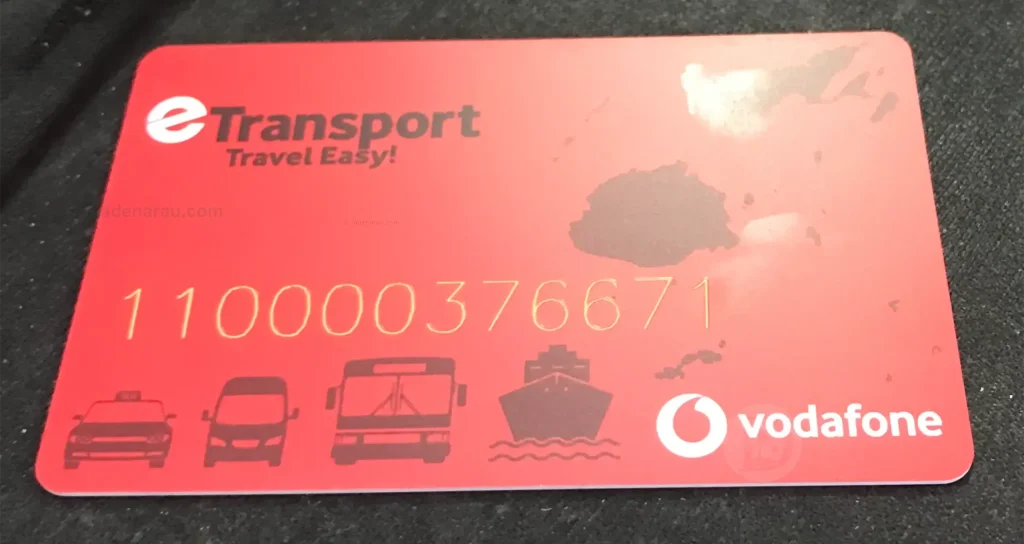
- Bus: Get a bus card from the vodafone outlet at the airport.
- Duty Free: Alcohol: Up to 3 liters of spirits, OR 4.5 liters of wine, OR 4.5 liters of beer. (Any combination of the above, provided that it does not exceed the equivalent quantity under liquor, wine, and beer)
Tobacco: Up to 200 cigarettes, OR 200g of cigars, OR 200g of tobacco products, OR 200ml of vape liquid/refills. - All major cards accepted at all Resorts, supermarkets and most shops and major restaurants. Some smaller shops and places such as the market will require cash.
- Check the weather.
Check these off as you prep your bag to ensure a stress-free arrival, and read the deep-dive details on how to navigate these steps and much more useful information.
1. The Gateway: Immigration and Customs
Entering Fiji remains a refreshingly straightforward process for most international visitors. If you are a citizen of Australia, New Zealand, the USA, Canada, India, or the UK (among over 100 other visa-exempt nations), you will be granted a tourist visa on arrival for a stay of up to four months.
- The Paperwork: You will receive a Fiji Passenger Arrival Card during your flight. Fill this out with “island honesty.” Fiji is a pristine ecosystem, and biosecurity is strictly enforced.
- Declare Everything: If you have seeds, plants, or any food items (even that half-eaten apple from the plane), declare them. When in doubt, tick “Yes”; the officers are friendly and will simply inspect the item.
- Official Duty-Free Allowances (2026)
According to the latest FRCS Standard Interpretation Guideline (Code 218), these are the exact limits for bona fide passengers arriving in Fiji:
Customs Allowances: Duty-Free Limits are generous.
Alcohol: Up to 3 liters of spirits, 4.5L wine, or 4.5L beer, or any combination of the above, provided that it does not exceed the equivalent quantity under liquor, wine, and beer.
Tobacco: Up to 200 cigarettes, OR 200g of cigars, OR 200g of tobacco products.
E-cigarettes: Up to 200ml of vape liquid/refills.
General Goods: New, unused items (excluding alcohol/tobacco) valued up to FJ$2,000.
Note: These concessions apply to passengers aged 17 and over. - Currency: You must declare if you are carrying more than FJ$10,000 in cash (or foreign equivalent).
2. Staying Connected: eSims, SIM Cards and WiFi
Fiji’s digital infrastructure has leaped forward. Generally speaking you can expect reliable 4G and 5G coverage across the majority of Viti Levu and Denarau.
- Upon arrival – don’t panic – there is free wifi in the terminal!
- The Tourist SIM: Do not wait until you get to your resort to find a SIM card, whether that is an eSIM or physical card. Both Vodafone and Digicel have kiosks in the airport arrival hall that stay open for all international flight arrivals. You will need to go to one of them to get and activate either an eSIM or physical SIM card. Talk to them about the best options.
- The Tourist Pack: Look for specific “Visitor Packs” which typically offer generous data and local calling minutes.
- Another option is to get an eSIM before you arrive with international providers.
- Pro Tip: Let the kiosk staff install the (e)SIM and verify that your data is working before you leave the counter.
- The WiFi Reality: While most Denarau resorts offer “Free WiFi,” it is always a safe bet to cover your options and be able to access the network via your SIM card.
3. Money Matters: Exchange Rates and Cash.
The Fijian Dollar (FJD) is the local currency.
Where to get cash: The most reliable way to get FJD is to use the bank-operated ATMs located at Nadi International Airport, Port Denarau Marina, and in towns all around Fiji.
A Note on Currency Booths: You will see currency exchange booths at the airport and in towns and at Port Denarau. While they are convenient for immediate physical cash, be aware that their exchange rates might be less favorable than what you would receive using an ATM or a travel card.
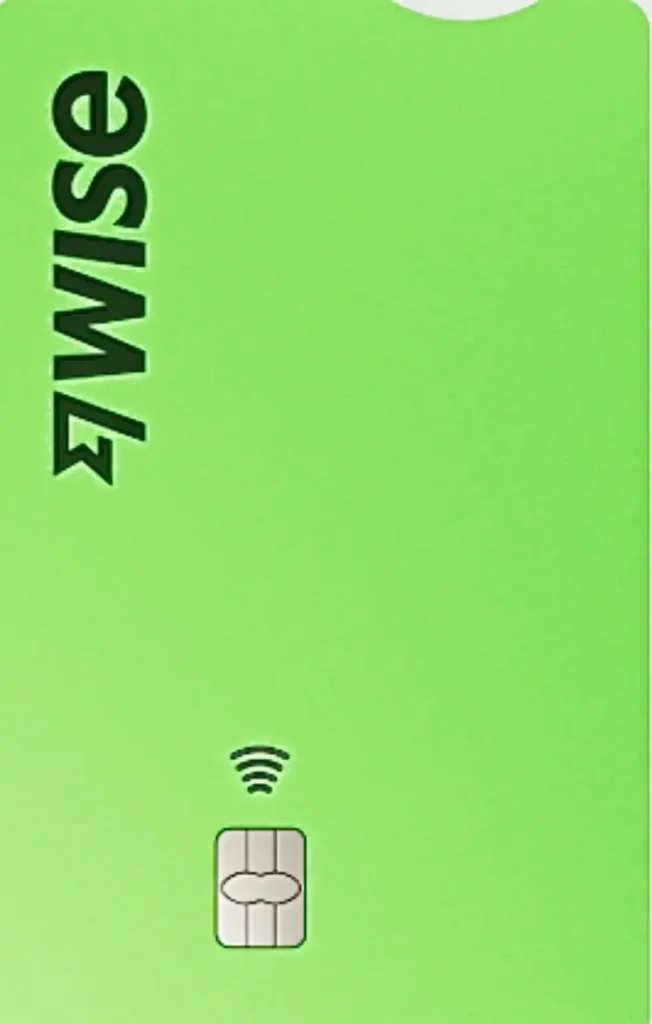
Using a “Wise” Card: You cannot hold a balance in FJD, but it works perfectly. Load your home currency (AUD, NZD, USD, etc.) onto the card before you arrive. When you tap to pay, Wise automatically converts the payment into FJD at the mid-market exchange rate. You can also use it to book and pay directly with activity and tour operators, just remember, to always choose to pay in the local currency.
Pro Tip: Always choose to be charged in FJD at the terminal. If a shop asks if you want to pay in your “home currency,” decline it—choosing the local currency (FJD) ensures you get the better rate that Wise offers.
Our live Fiji currency converter updates frequently to reflect current market shifts.
Use the calculator to check today’s official conversion rate for your specific currency before exchanging your cash.
Resort Charging vs. Local Cash
At most major resorts, for instance on Denarau, you can “charge to the room” for meals, spa treatments, and activities, settling the total bill at checkout.
- Important Note: This service is not universal. Smaller boutique lodges or remote island stays may not offer a “charge-to-room” facility. It is always best to confirm this policy at check-in.
- Resort Charging: Most guests on Denarau simply “charge to the room” for everything. However, you will need small amounts of cash (FJ$5, $10, $20) for local taxis, market stalls in Nadi Town,
- All Resorts, most shops, and supermarkets on Denarau and in Fiji take major credit and debit cards. However, if you venture further afield, some of the smaller outlets only take cash. Also, in some places, the telecom network might not be the best. Cash is king in these situations.
- Pre-Authorizations: Be aware that resorts will often place a temporary hold on your credit card at check-in to cover potential incidentals. Ensure your card has sufficient funds beyond just your room rate to avoid any issues.
- When in doubt, carry cash: Regardless of the resort’s policy, carrying a small amount of cash is the only way to ensure you are never caught out when venturing away from the main tourist hubs.
- The “Pocket Money” Rule: Aim to keep FJ$100–200 in your wallet, broken into small denominations (FJ$5, $10, and $20 notes). This is the perfect amount for tipping, local markets, and small transport fares without carrying large, unnecessary sums.
- Why Cash is Essential: While major outlets accept cards, smaller shops, market stalls in Nadi Town, and independent taxi operators still rely on cash. In rural areas or during occasional network outages, Cash is King.
4. Grabbing a Bite: Food & Coffee at Nadi Airport
If you need an immediate caffeine hit or a quick bite right after clearing customs and entering the arrivals concourse, head to Cuppabula Cafe. It is the primary food and beverage spot located landside in the public arrivals area, offering great coffee, cold drinks, and grab-and-go snacks. Note that if you have seen listings online for other popular airport outlets like Burger King, Gloria Jean’s Coffee, or KokoNui Bar & Cafe, these are all located upstairs in the departures terminal.
5. The Arrival Ritual: Transfers to Denarau or any other Destination.
Denarau Island is roughly 20 minutes (14km) from Nadi International Airport.
- Pre-Booked Private Transfers: This is the “Gold Standard.” Companies like Tewaka Fiji and Xplore Transfers meet you inside the arrivals hall with a name sign. The benefits are obvious: no waiting in queues and a cool, private whisk to your resort while the driver provides a local commentary. They will also happily take you to a supermarket on your way to the Island and be happy to wait while you do your shopping.
- The Nadi Airport Taxi: Head to the taxi rank outside. Like private transfers, your taxi will also happily stop at a supermarket on the way.
- The Rate: Ensure the driver uses the meter. The fare to anywhere is usually pretty standard, just ask three random drivers, as soon as they see you checking, one of them is bound to offer you a deal. So if you feel like launching right into the Fiji Way – try a bit of haggling!
6. Moving Like a Local: Taxis and Buses
Denarau and Nadi are pedestrian-friendly areas, but to explore further, you’ll need wheels.
- The Bula Bus: The iconic open-air bus loops between all resorts on Denarau and Port Denarau Marina. Check for the Unlimited Day Pass at any of the Resorts or at Port Denarau marina. It is the easiest, and most social way to get around!
- Local Taxis: Plentiful and easy.
- The Public Bus (eTransport): For an authentic experience, take a bus to Nadi Town. Important: Fiji’s public buses are 100% cashless. You will need a disposable eTransport card (available at the airport Vodafone outlet). You can top up your bus card at Vodafone or Vaulefone outlets. Also at supermarkets and at booths around bus stands.
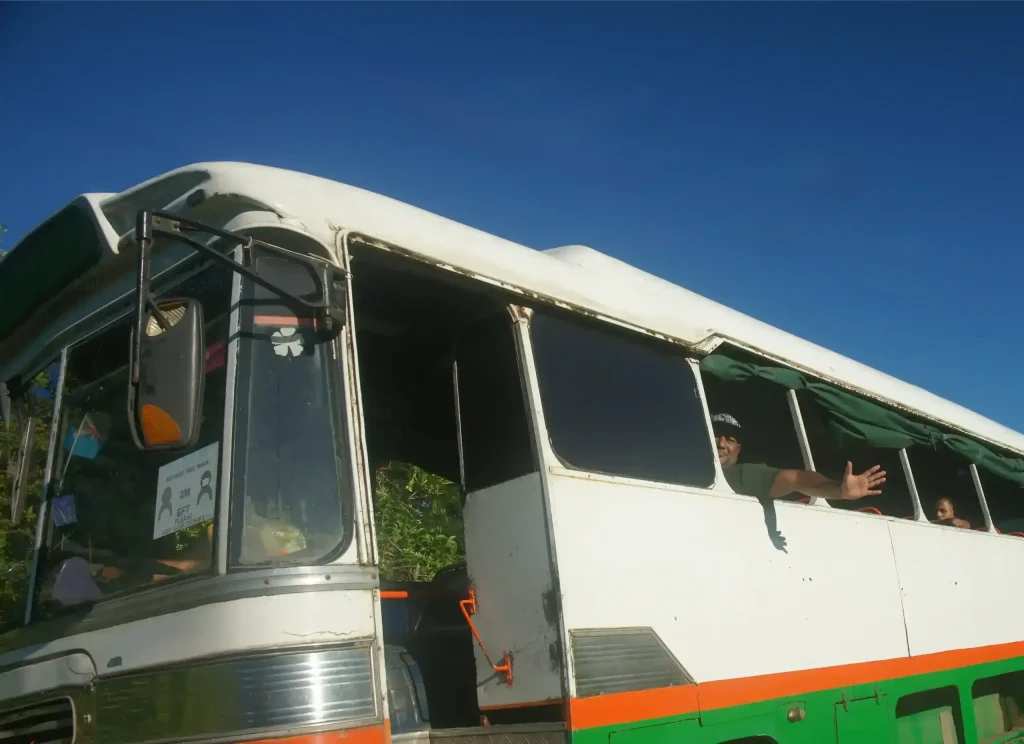
- Pro Tip: For an extra authentic experience, catch an open window bus from Nadi to Lautoka and explore Fiji’s second largest city.
7. Rental Cars and Driving.
- The Rules: Driving is on the left-hand side of the road.
- Licenses: You can use your physical driver’s license from English-speaking countries for up to 6 months. If your license is in another language, you must carry an International Driving Permit (IDP).
- Safety: Watch for speed limits—50km/h in towns, villages, and by schools, and 80km/h on open highways—and be alert for “island hazards” like roaming livestock or roadside pedestrians. It is better to go slow as people and stock can literally appear out of nowhere.
- Pro Tip: Avoid driving at night as wandering stock and people walking on the roadsides can make this very hazardous.
8. Practical Tips for “Island Ease”
- The “Bula” Greeting: It isn’t just a hello; it’s an invitation to be part of the community. Always return a “Bula” with a smile and a “Bula” back.
- Sunday Pace in Fiji: Expect a slower pace as many locals attend church. Nadi Town will be quiet, and public transport schedules may be reduced on Sundays.
- Fiji Water Safety: While resort water is treated, most visitors prefer local bottled brands. An insulated vacuum flask is highly recommended to keep water cool; these are available at local supermarkets for around FJ$20.
- Tipping in Fiji: Tipping is not mandatory, required or, expected. But deeply appreciated. Look for the “Staff Christmas Fund” box at your resort reception for an equitable way to thank the entire team. There is no law against it, of course. Feel free to tip if you like. How much and what for is up to you and depends on your circumstances. But think $5 to $20 per tip depending on what, when, and how.
- Power Outlets and Charging: Fiji uses the Type I plug (same as Australia/NZ) at 240V. Always carry a power bank to keep your devices charged while exploring.
- Medical Care and Doctors: Nadi has excellent medical access. For those staying on Denarau, there is a doctor’s surgery on the island with extensive resources. Check with your resort if you require medical attention.
- Denarau Supermarkets: There are two main options: Yees Xpressmart at Port Denarau and Fresh Choice in the Industrial Park. Many travelers “stock up” at supermarkets on their way to the island. Ask your taxi driver for their recommendation, as each store has different strengths.
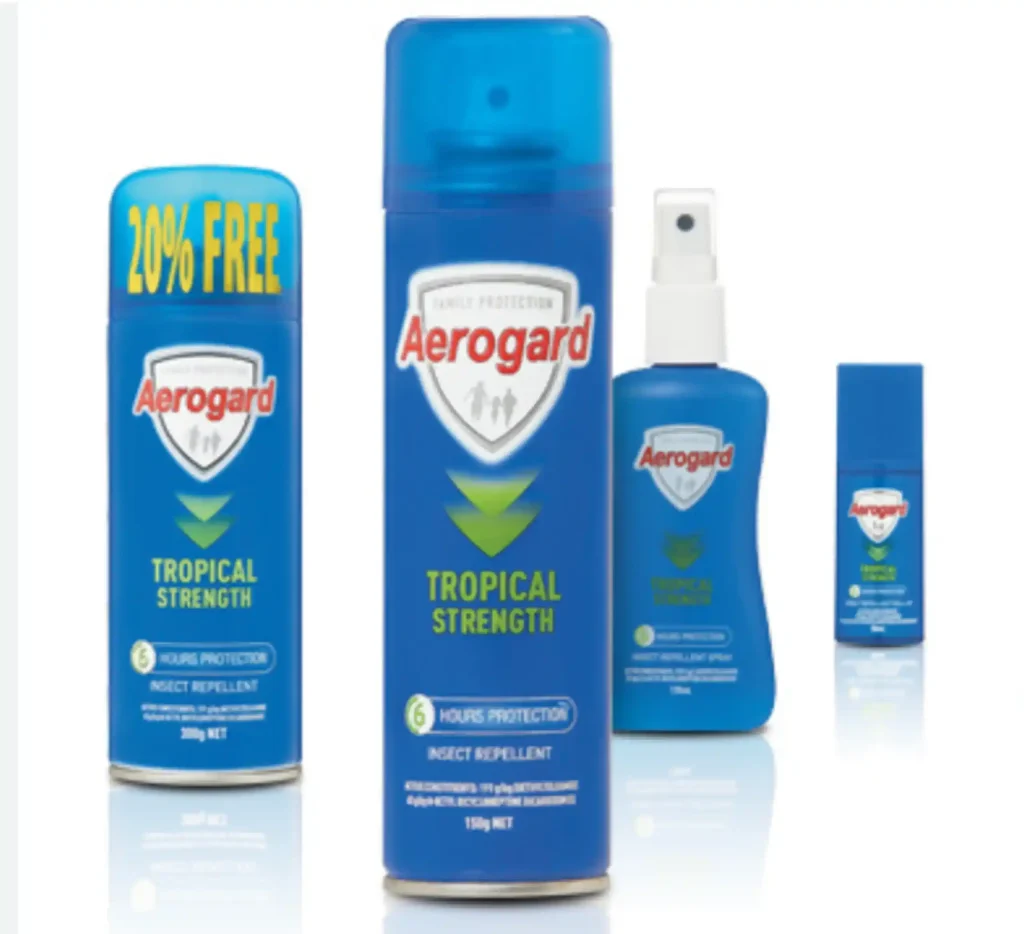
- Mosquito Protection: The most effective repellent is Aerogard Tropical Strength (aerosol or roll-on). The “Odourless” version is less effective. Buy it at local supermarkets or pharmacies, or bring it with you.
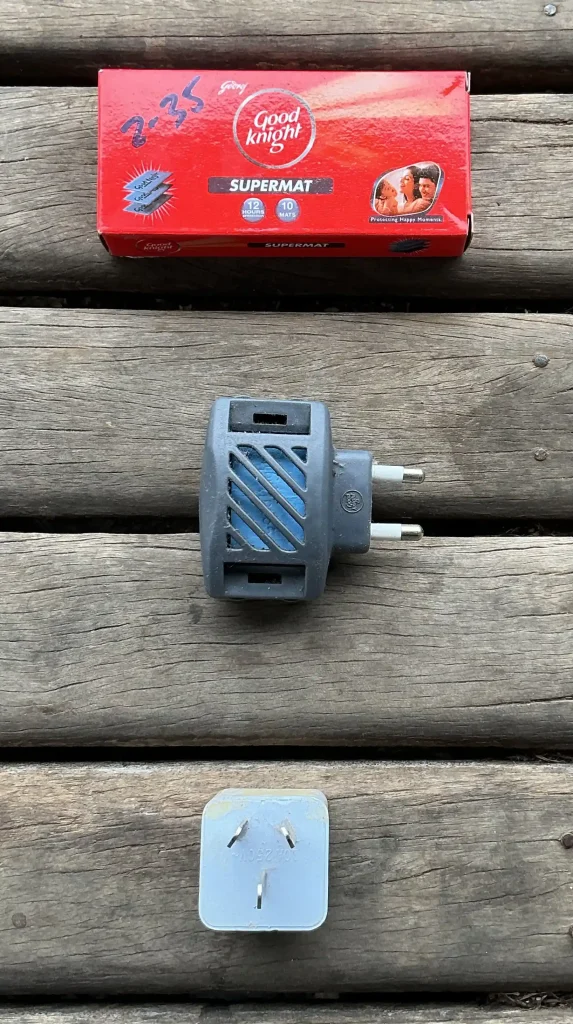
- For in-room protection, at your supermarket stop, get a Vapmat (machine) and the mats. (treatment) $10 for both. You will need a three-pin adaptor as it is 240 volts here. To be safe, bring a good quality one with you. If your rooms are sealed and no new mossies can get in at night, put it on for 2 hours with the bedroom closed up. That will sort them out. Or leave it running all night.
- Simplest protection: Mossies love dark, shady, still areas. Try to sit in a place with a good breeze. They are most prevalent in the early morning and at dusk. Wearing a long-sleeved light shirt, pants, and socks is the most effective way to stop mossies. I know it is not for most people on a tropical holiday, but some may like this option, especially for their children. Most resorts are relatively, if not almost totally, mosquito-free.But if you are worried, pack the light clothes I have suggested as an option.
- Ultimate mossie backup, manual mode-mosquito coils.
- Sun Safety (Slip, Slop, Slap, Slide): Don’t forget: Slip on a shirt, Slop on high SPF sunscreen, Slap on a hat, and Slide on your sunglasses. Lip balm is also a good idea.
- Boating Advice: If you are heading out to the islands or are generally on the water a dry bag is a good idea to protect your phone, wallet, and perishables.
- Kids and beach fun: If you are staying near a beach with your children, bring some toys for sand fun with you. Bonus: you can leave them behind with staff for their children when you leave. If you engage a nanny, it’s an innovative way to give a gratuity.
Mastering these few practicalities helps strip away “traveler’s friction,” leaving nothing between you and the serene dawns, exciting and meaningful adventures, and long conversations that make Denarau so special. Get to your resort, grab a refreshing beverage, and hit the pool – everything else will take care of itself!
9. Staying Hydrated: The Traveler’s Guide to Water & Baby Care
While planning your daily adventures, understanding Fiji’s water landscape keeps your holiday seamless—especially if you are traveling with little ones.
Is the Water Safe to Drink?
Generally speaking, the tap water at all major Denarau resorts and mainland hotels is treated and chlorinated to international standards.
- Brushing Your Teeth: It is perfectly safe to brush your teeth, rinse your mouth, and shower using the resort tap water.
- Drinking: While the treated water is safe, it has a different mineral composition from what your body is used to at home. To avoid a minor “traveler’s tummy” from a change in diet, most visitors prefer to drink bottled water.
- The Smart Move: On your transfer from Nadi Airport, ask your driver to stop at a supermarket. Stock up on bulk 10-liter or 15-liter boxes of local brands like Fiji Water or Aqua Pacific for your room fridge. It’s vastly cheaper than buying individual bottles at resort bars.
For Families: Travelling with Babies
If you are arriving with an infant, navigating formula and bottle sterilisation requires a little extra care to ensure total peace of mind.
- Mixing Baby Formula: Do not use standard tap water (even if boiled) to mix baby formula. The mineral content can be tough on a newborn’s stomach. Instead, use premium local bottled water, but ensure you still boil the bottled water first and let it cool down to the correct temperature before mixing it with formula powder. This kills any bacteria that might enter the bottle during preparation.
- Sterilizing Bottles: Since hotel rooms rarely have built-in sterilizers, the easiest method for travelers is using Milton Sterilizing Tablets (cold-water method) in a clean container or resort sink. Alternatively, bring Microwave Sterilizing Bags if your resort room or suite includes a microwave.
- Buying Baby Formula Locally: If you run short, you don’t need to panic. The major supermarkets near Denarau (like Fresh Choice in the industrial park and Yees Xpressmart at the Marina), as well as pharmacies and supermarkets in Nadi Town and Fiji, carry trusted international formula brands. For example, you will routinely find:
- Baby food – jars of baby food can be found in the supermarkets.
- S-26 Gold / S-26 Original
- SMA
- Nestlé Lactogen.
- Across Fiji, apart from outer islands, you will always find Nestlé Lactogen and that is what we gave our kids.
- Pro Tip: Stock can occasionally vary due to shipping rotations. If your baby is highly sensitive or relies on a highly specialised prescription/hypoallergenic formula, it is always wisest to pack enough supply in your checked luggage to last the duration of your trip.
Our Top-rated Things to Do.
Your guides to:
Local Markets, Food, and Produce.
Kava – what it is, what it means, and how to do it.
Village Visits – how to do it, what to bring, and how to behave.
See all the images within this story in a curated gallery view. Just tap on any picture.