For partnership and business-related enquiries, please get in touch.
Nandarivatu – Echo’s of Fiji’s Colonial Majesty
“…The Fijian Rickshaw-men like to pretend they are horses and prance about and decorate themselves and their little carriages with ferns and vines and all sorts of-greenery…”
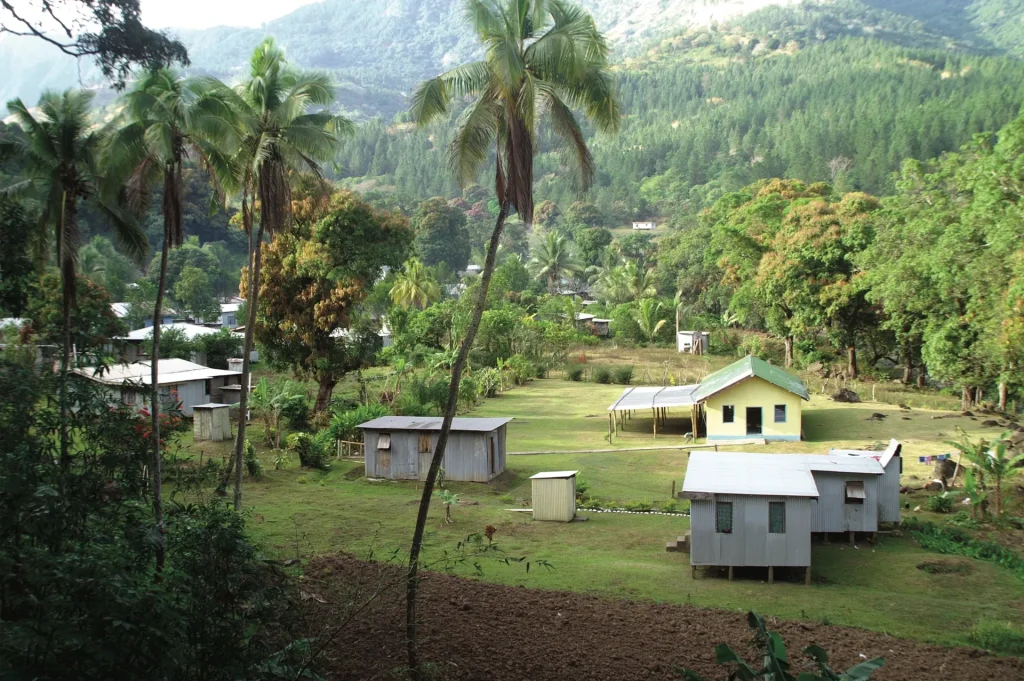
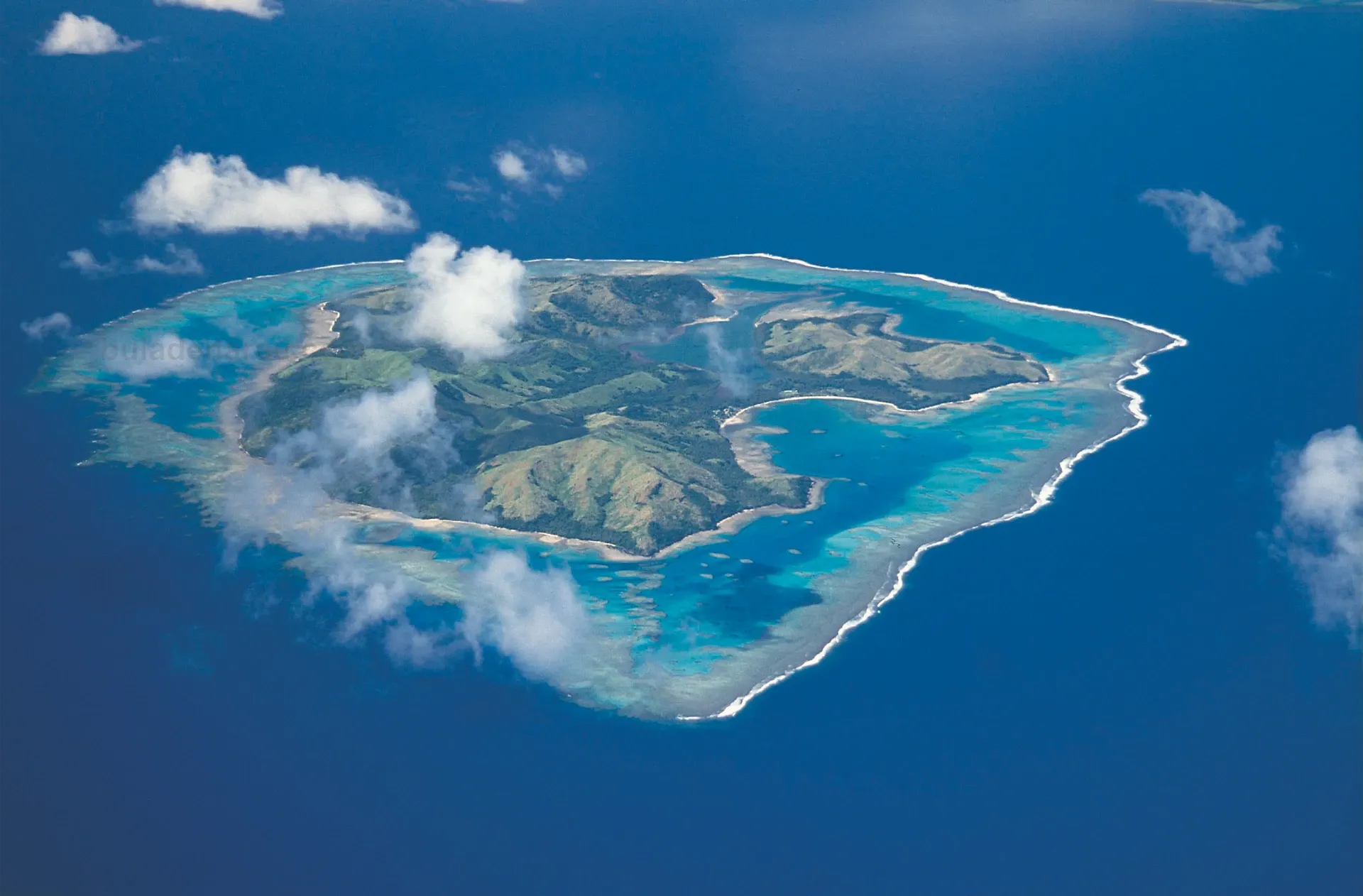
It’s only three hours by road from Denarau Island but it’s a world away from the reality of life in urban Fiji and the luxury of tourism Resorts. This is the high plateau of more than 700 metres, or 2000 feet, in the interior of Viti Levu at Nandarivatu. It is also on the way to the highest point in Fiji. Mount Tomanivei exceeds 1212 metres, or 4000 feet in height and is just a little further up the road.
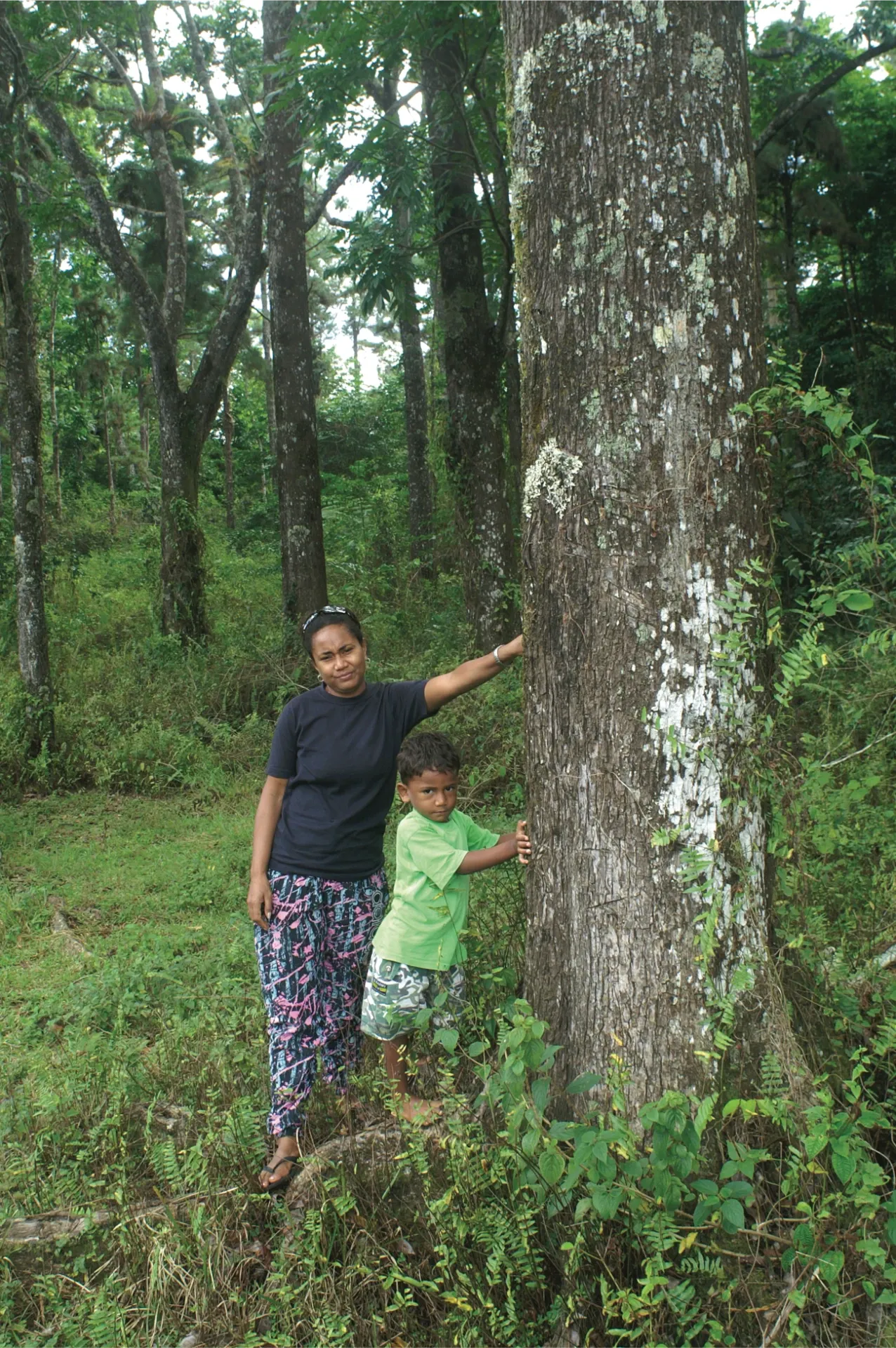
It is a place of tranquillity and beauty with a climate of crisp, clear days and cold nights which make relaxing by a bonfire a most pleasant way to pass the evening.
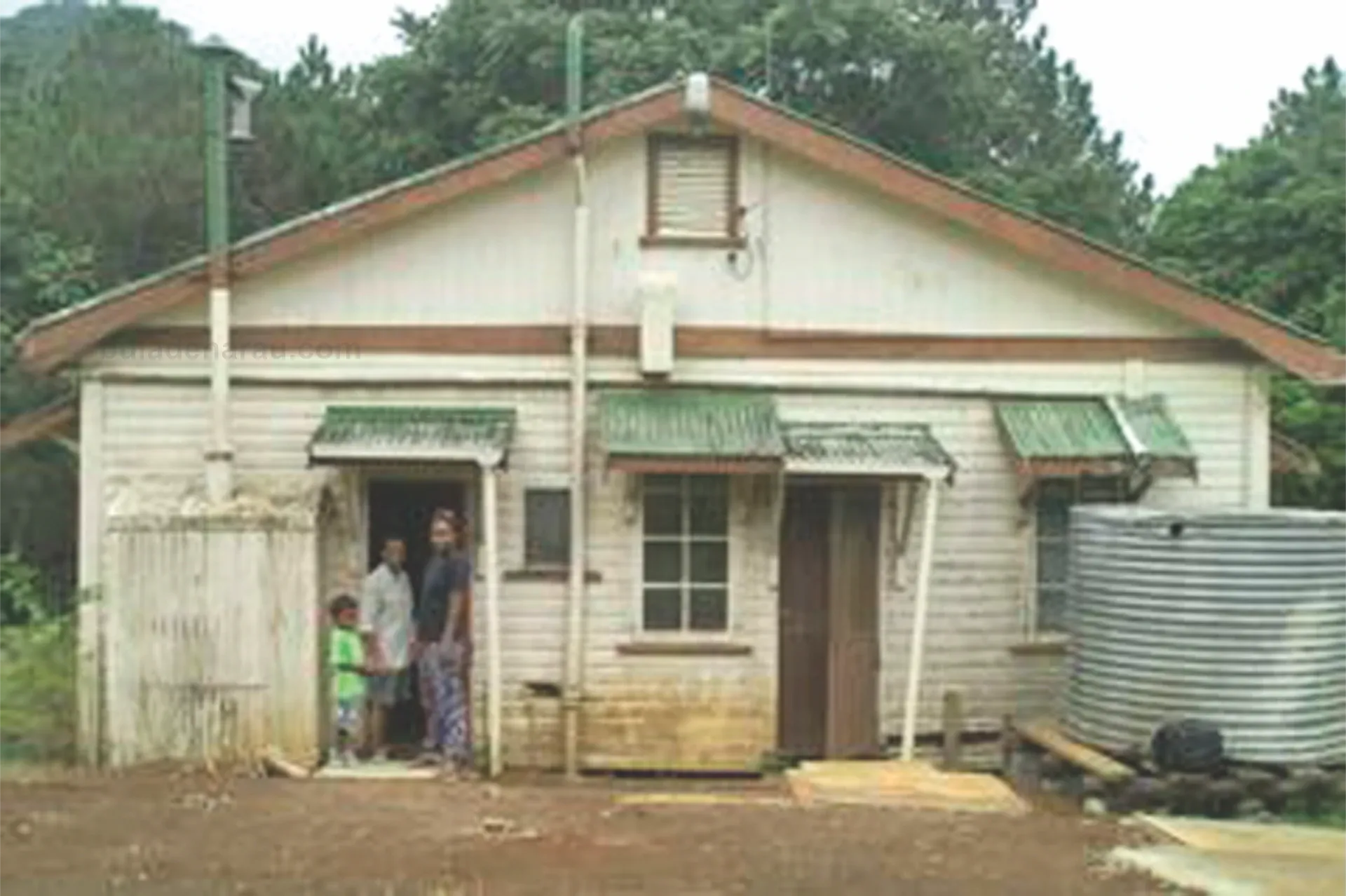
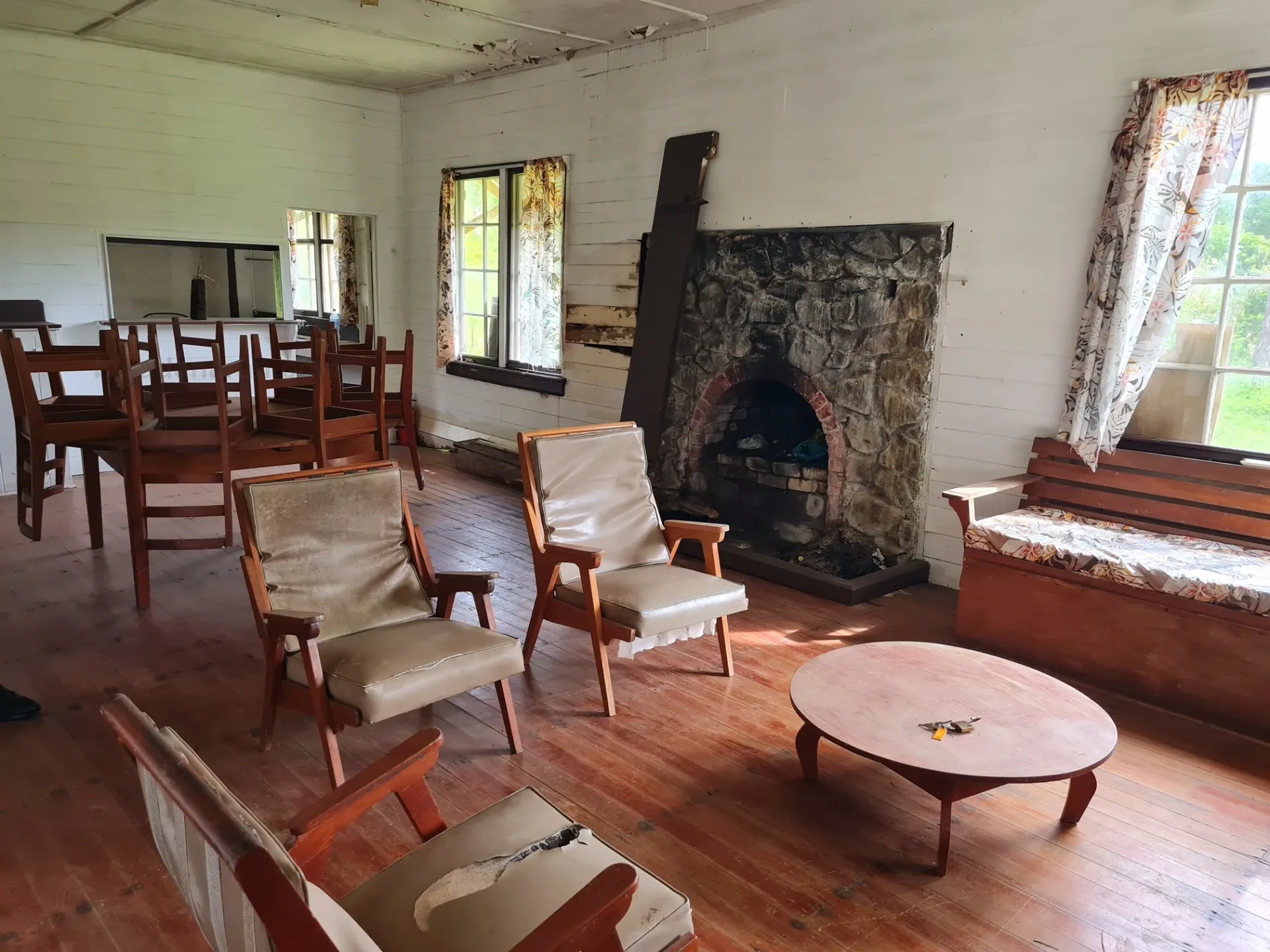
There is little to suggest its former granger when it was the administrative centre for Fiji during the hot and humid summers.
Nandarivatu is now an out of the way corner and far removed from its former glory days when Fiji was a British colony. Then the Vice Regal Governors would come to escape the heat of the coastal plains during Fiji’s hot and humid summers.
In those days, a hundred years ago, Government House parties would travel by sea to Tavua, disembark and proceed by land to the village of Korovou. They then followed the valley to the base of the escarpment before attempting the final ascent via an 8 km steep climb. Some aspects of life in those days are vividly described by A.B. Brewster in his book Hill Tribes of Fiji, published in 1922; long after he had retired from Government service as the Governor’s Commissioner for the provinces (in the interior) of Tholo North and Tholo East. Nandarivatu fell under his jurisdiction and it was him who was responsible for providing the transport to the station and for the care and accommodation of the Vice Regal parties. Here is an excerpt from his book:
“The Governors and Acting Governors with their wives and families…whom I served spent the hot seasons at Nandarivatu. The Government House parties used to land at Tavua, and from thence to Nandarivatu, fourteen miles (22-km); their transport was my job….At first it-was almost all done by Fijian porters, but gradually as I got my animal and wheeled transport into order, they took the place of human labour.
“I always gave a sigh of relief when I got through what I called the trooping season. The most difficult of my charges was Sir George O’Brien and his sister. They insisted on traveling at night and one of the preliminary precautions was to get reed torches cut and strewed all along the route by which we lighted our way on dark nights, Neither the Governor nor Miss OBrien and her maid would ride, and they had to be conveyed in rickshaws. The Fijian Rickshaw-men like to pretend they are horses and prance about and decorate themselves and their little carriages with ferns and vines and all sorts of-greenery. With Miss OBrien nothing of the sort was permitted and I was not allowed to approach them on horseback. At first I used to ride alongside and ask Miss O’Brien if she were comfortable, but the maid warned me not to do so as her mistress was nervous about animals. I usually walked as we were not allowed to go more than two miles an hour. It was a long weary business and as a rule it took twelve hours…till we reached Nandarivatu”