For partnership and business-related enquiries, please get in touch.
Front-line eco warriors & Sea Salt?
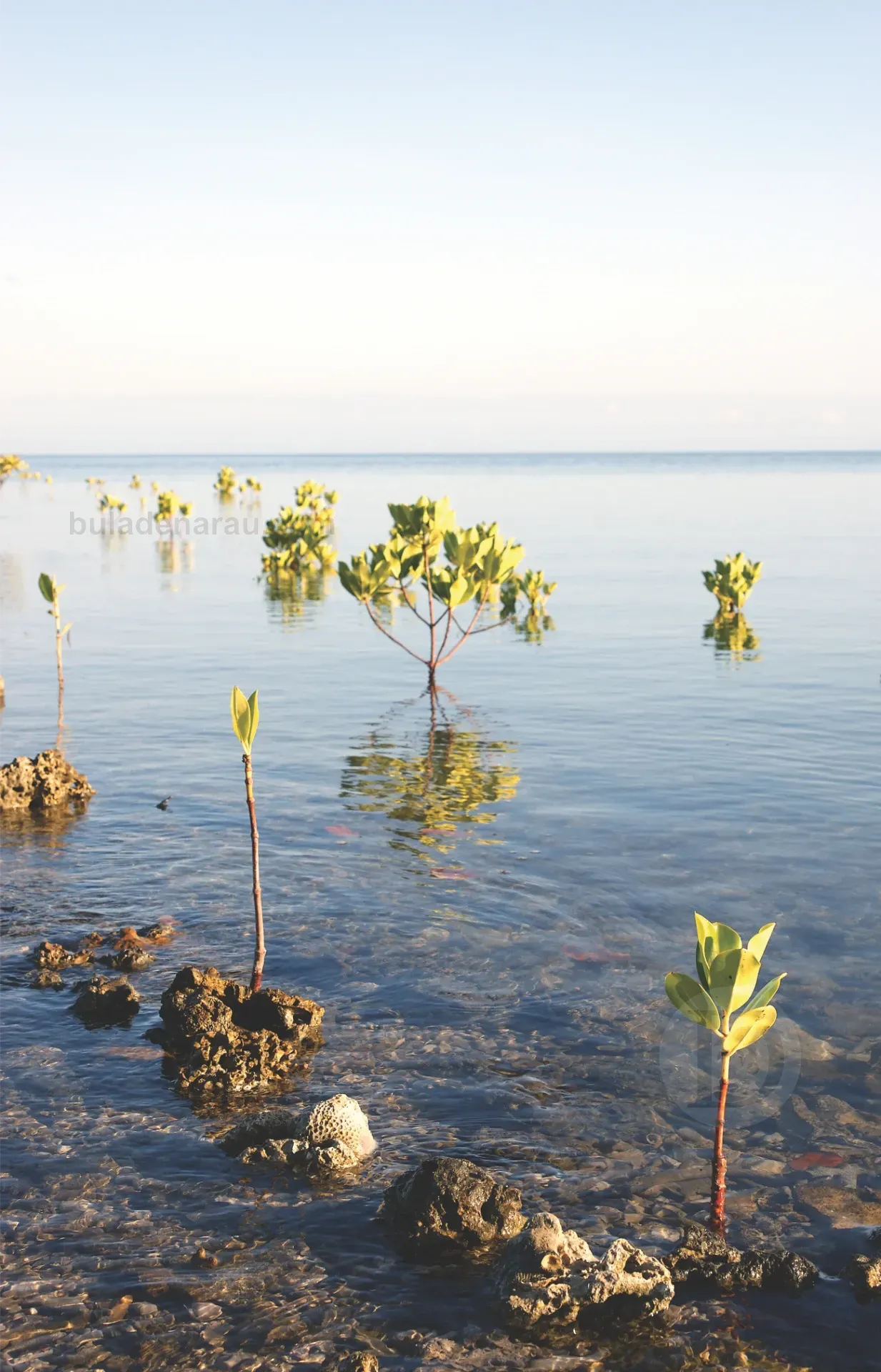
It grows in inhospitable soil, often awash or submerged by the sea. It is the humble mangrove, which forms a bridge between land and sea and is a marvel of adaptation and survival.
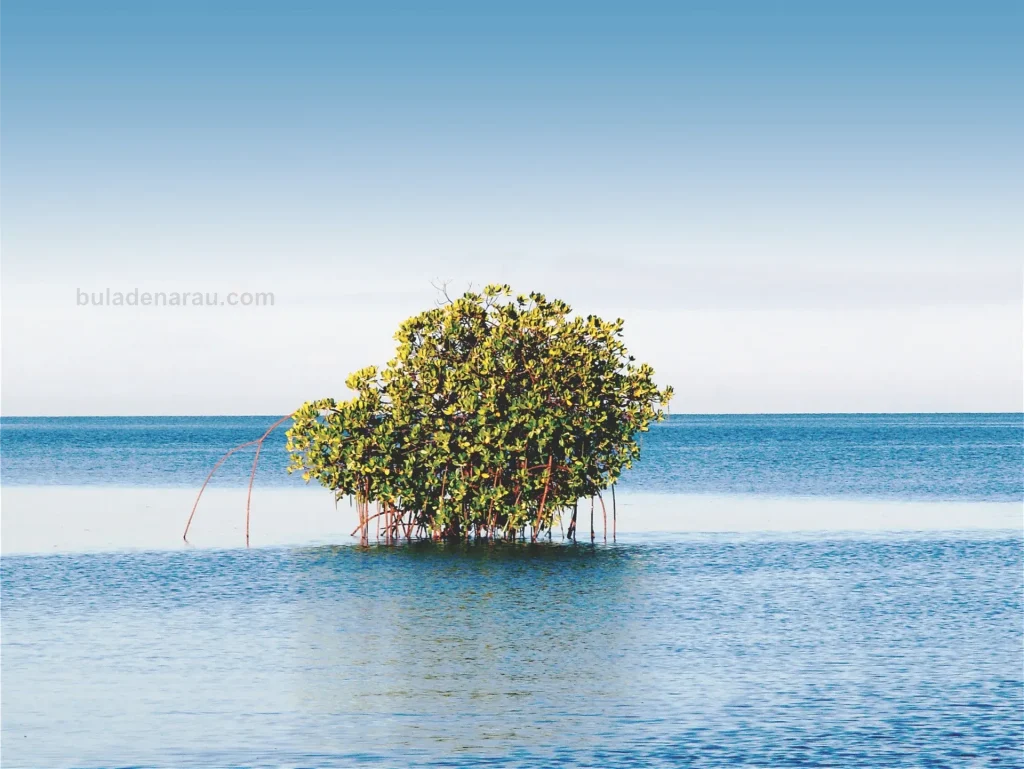
Mangroves are hardy trees or shrubs that grow in ground that is bereft of oxygen and many other important chemicals and is covered in salt water. Despite the inhospitable nature of the environment in which they grow, mangroves are estimated to be found on around three quarters of all tropical coastlines of the world. Given their huge presence, it is no wonder that they form an integral part of the world’s tropical ecosystems.
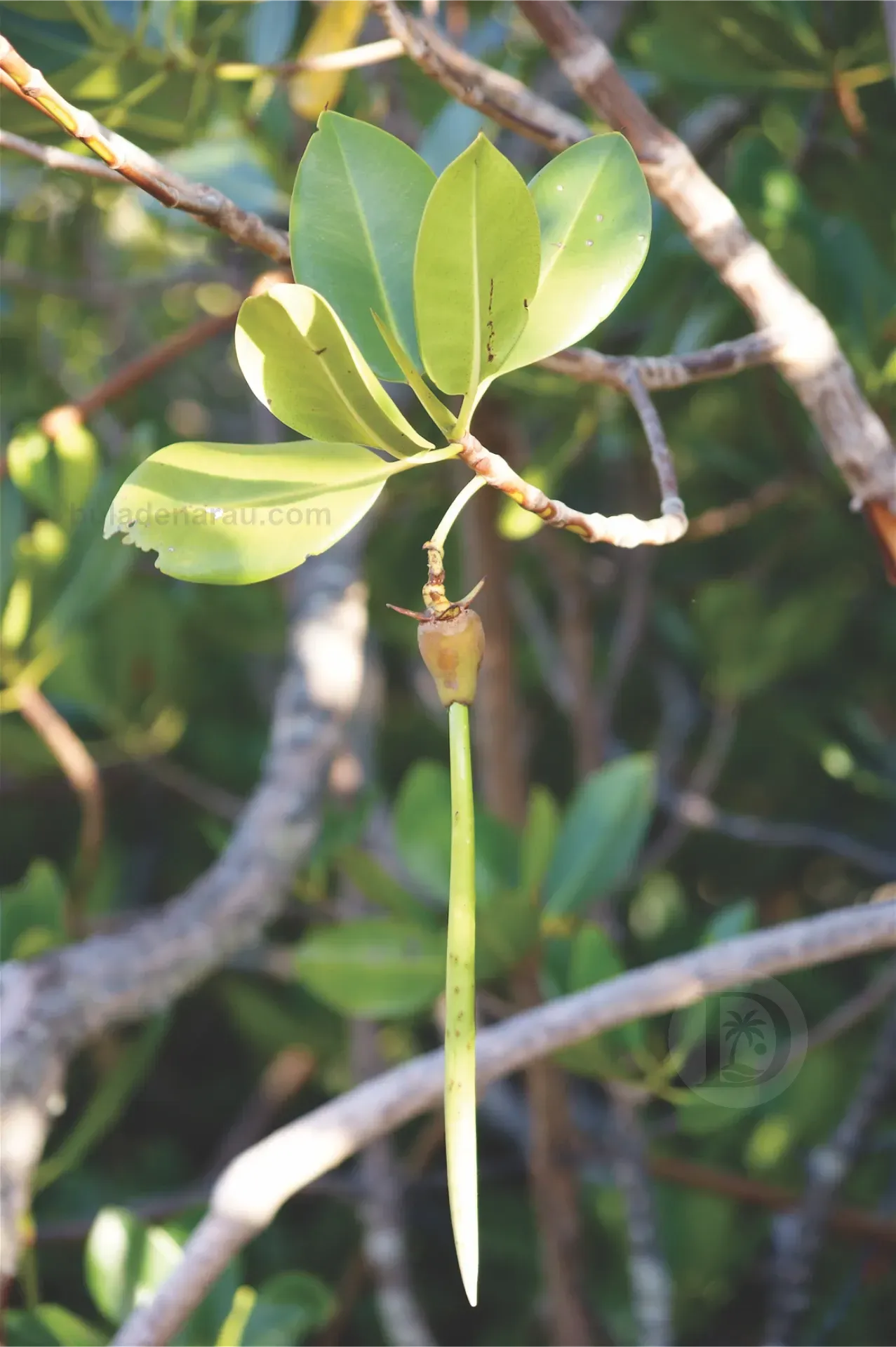
The mangrove tree begins life as a seedling that germinates on the tree, as opposed to an ordinary plant seed that germinates on the ground after it drops from the tree. Once ready the seedling drops from the tree and floats upon the tide in a horizontal position until it senses it is ready to take root. It then changes its density to float vertically, making it easier to lodge in the mud.
‘One of the remarkable features of the mangrove is that if the seed is not successful in taking root, it can change its density once more, from lying vertically back to horizontally, and so float away again on the tide in search of a better place.’
Once it has started to grow the mangrove develops a buttress root system that serves several purposes. The roots are waterproof so that the salt water cannot permeate them. Their unique lateral & aerial roots elevate the plant, ensuring that part of the root system is above ground. These exposed roots absorb necessary gases that are not present in the ground, such as oxygen, directly from the air, and ventilate the portion of the roots below ground. They also capture mud and silt and so increase the area in which the tree can grow and the forest spread.
Mangroves filter out up to 97 percent of the salt from the water they take up. The remaining salt is either expelled through special glands at the leaf base or sent to older leaves which are then shed. The tree also manages the opening and closing of leaf pores and orientates the leaves away from direct harsh sunlight, to restrict water loss.
Mangroves play an important part in the Fijian ecosystem. It is estimated that mangroves cover about 40,000 ha of the Fiji coastline, especially at the mouths of rivers and streams where silt has built up over time. They form part of the natural resource base from which many of the people of Fiji derive sustenance and income. Mangrove belts act as natural land reclamation devices and restrict coastal erosion. They collect run off soil and silt that would otherwise settle on and damage fringing reefs. They provide a habitat for birds, crabs, barnacles, oysters, sponges & invertebrates. They act as nurseries for a wide range of fish including a great many that later migrate to coral reefs; it is estimated that 70% of reef fish species spend part of their life cycle associated with mangroves.
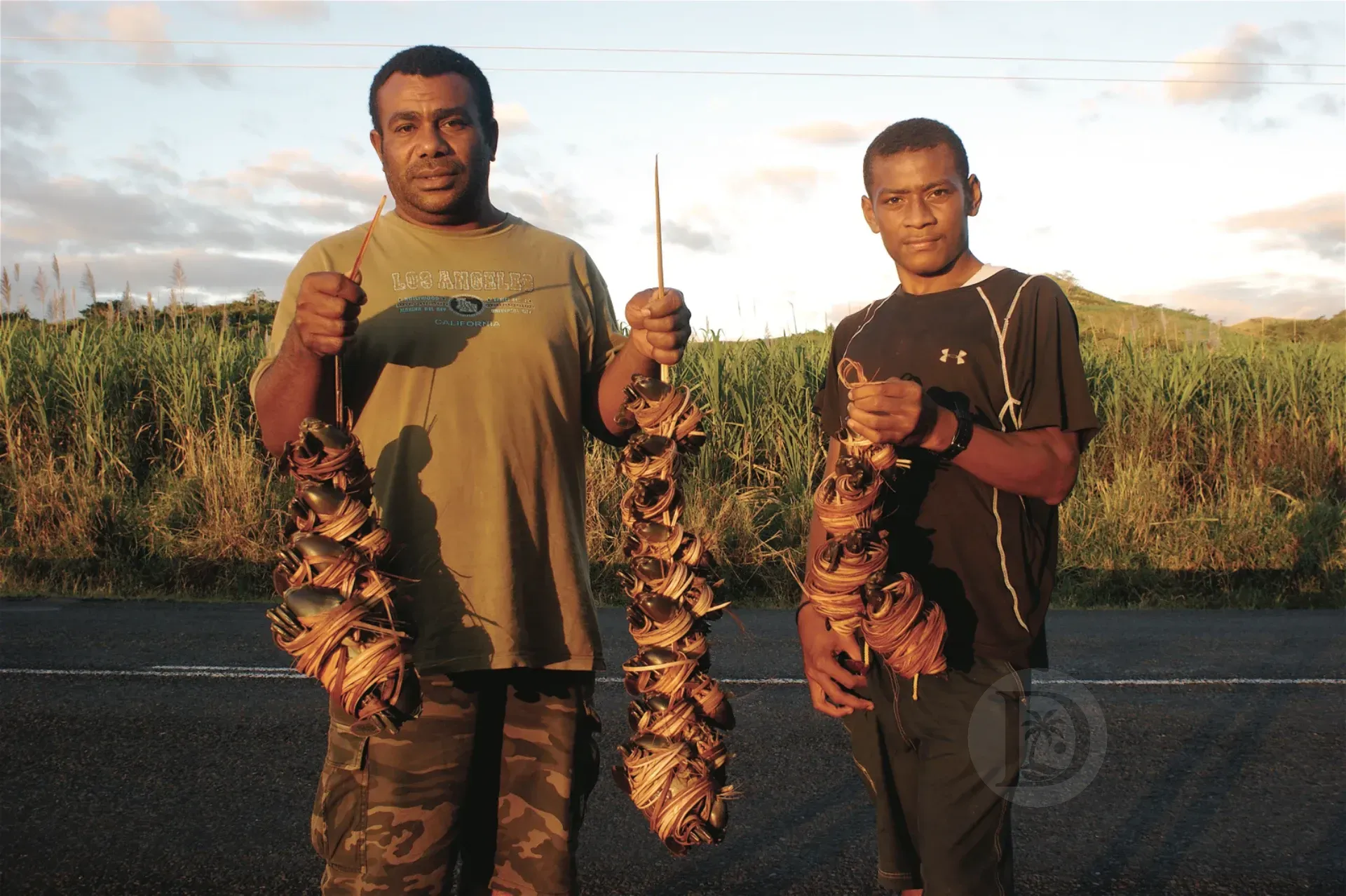
For the people of Fiji, mangroves have many uses. Apart from their importance in helping to maintain a healthy eco-system, they provide food & income by way of the fish and crabs caught within their forests. The wood is used for cooking fires and timber. Dye is made from the bark for illustrating and colouring masi or tapa cloth.
They also play an important part in the collection of salt, or masima. Salt ‘pounds’, or holes, are dug in the ground inside the mangrove forest. The tide comes in and fills the ‘pound.’ As the tide goes out the heavier, saltier water settles in the pound. This water is collected and heated over a fire until the water evaporates leaving the salt residue. Salt collected in this way in the past was often used as an important ceremonial and practical gift item and is still made in the traditional manner in some parts of Fiji today, especially in Lomawai on the Coral Coast.
Recently the production of Fijian Sea Salt has become a nice business in Fiji. And it also offers a unique opportunity to take a little bit of Fiji home with you.
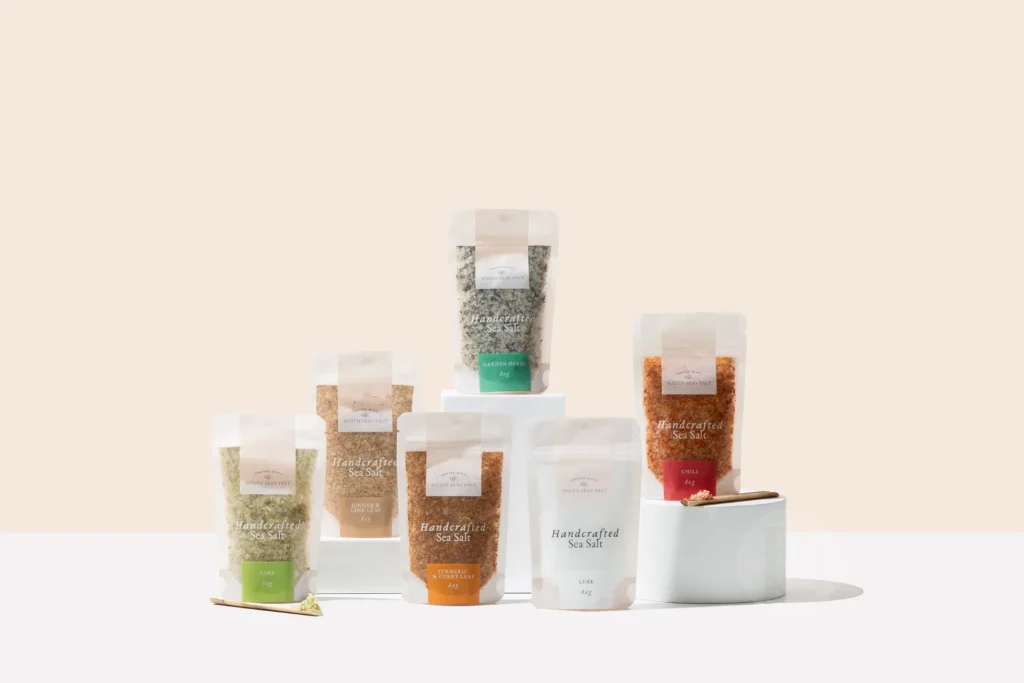
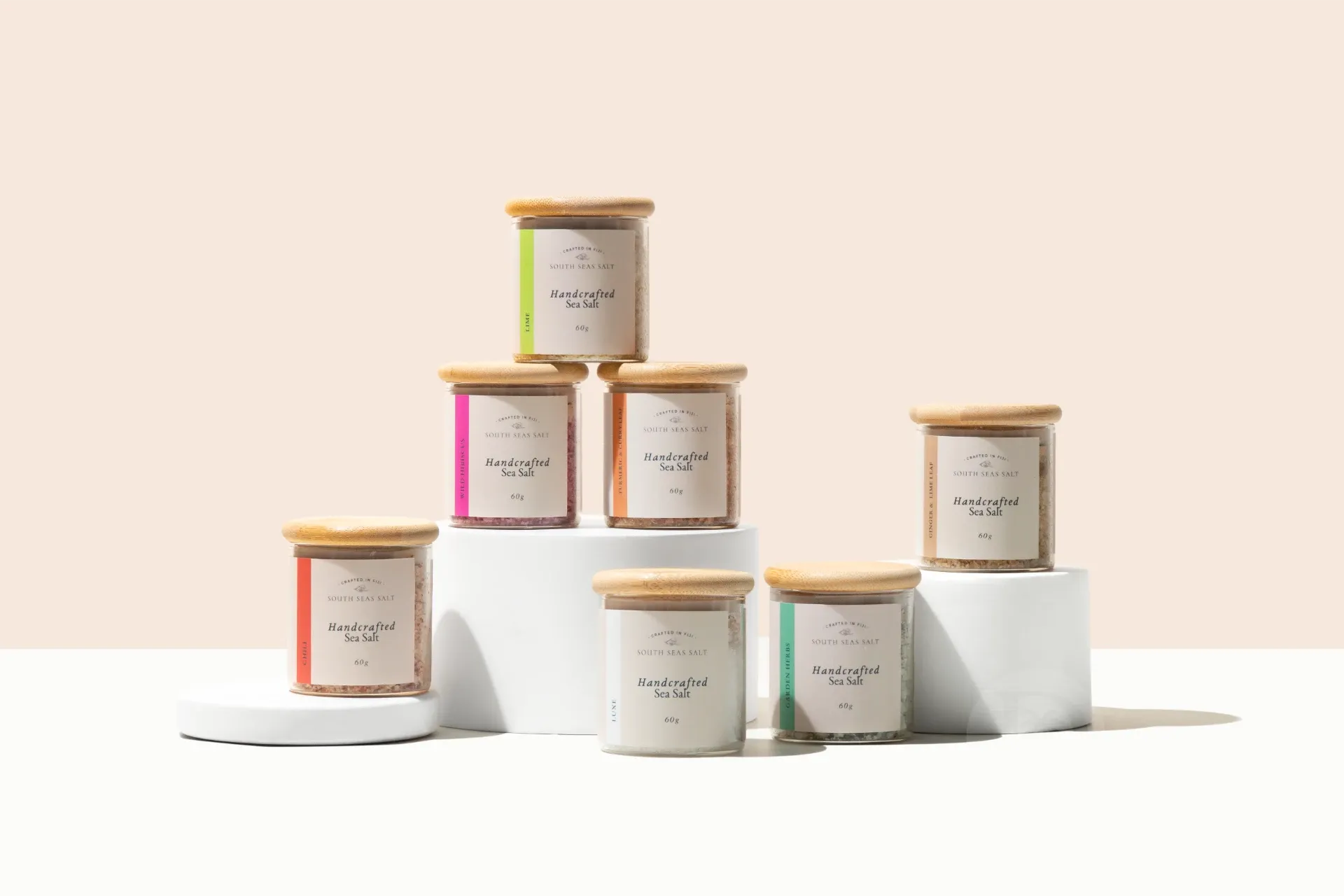
One company producing local salt, that is used in many high – end Resorts in Fiji-including on Denarau is South Seas Salt. You can find out more about them here http://www.southseassalt.com/ or view and buy the salt at Jacks of Fiji stores at: Hilton Fiji Beach Resort & Spa,Sheraton Fiji Golf and Beach Resort, Port Denarau and at Victoria Wines also located at the Port. You can also find it at The Projects Collective.
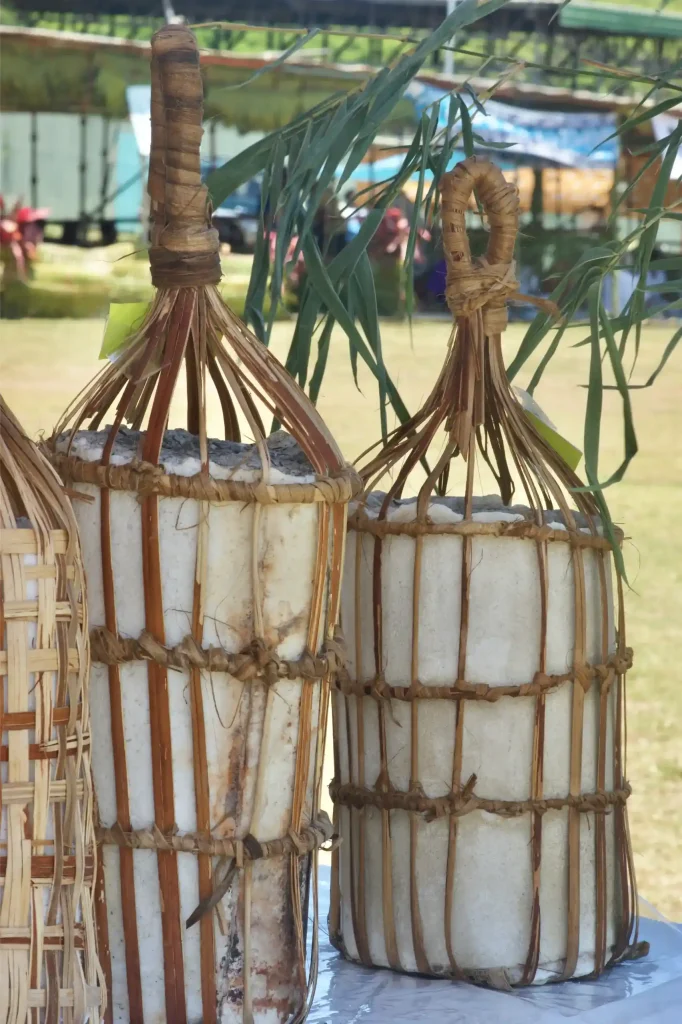
A basket made from mangrove root bark with salt collected from ‘pounds’ in the mangroves. This basket was part of a lovely collection for sale at a traditional Ba provincial gathering where different locations within the province displayed and sold their wares. This type of regional specialisation gives insight into what early trade networks would have looked like within the Fiji Group.