For partnership and business-related enquiries, please get in touch.
Blood and Treasure
Savage “stood on his canoe in the middle of the river, less than a pistol-shot from the reed fence of the fortification, and fired on the inhabitants, who had no means of defending themselves.” The victims were so numerous that the townspeople piled up the bodies and sheltered behind them; and the stream beside the village ran red.

It was the discovery of sandalwood, and the promise of its lucrative trade, that first lured European captains and crews in earnest to Fiji’s shores in the early 1800s.
These early contacts left a remarkable and indelible mark upon Fiji. One episode from Fiji’s past is splendidly summed up in R.A Derricks’ book, A History of Fiji. It reads as follows on pages 43 to 46, volume one, 1957 edition.
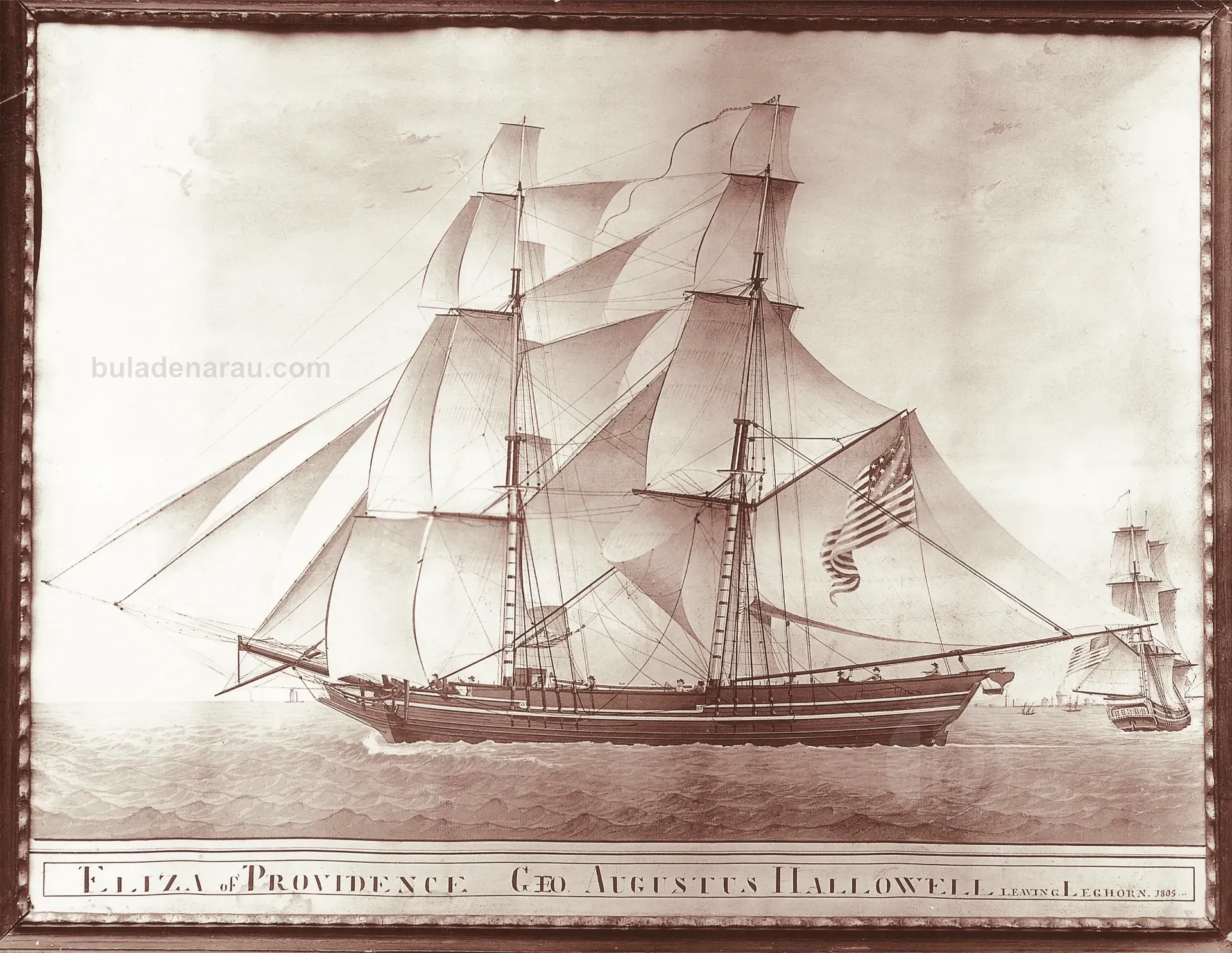
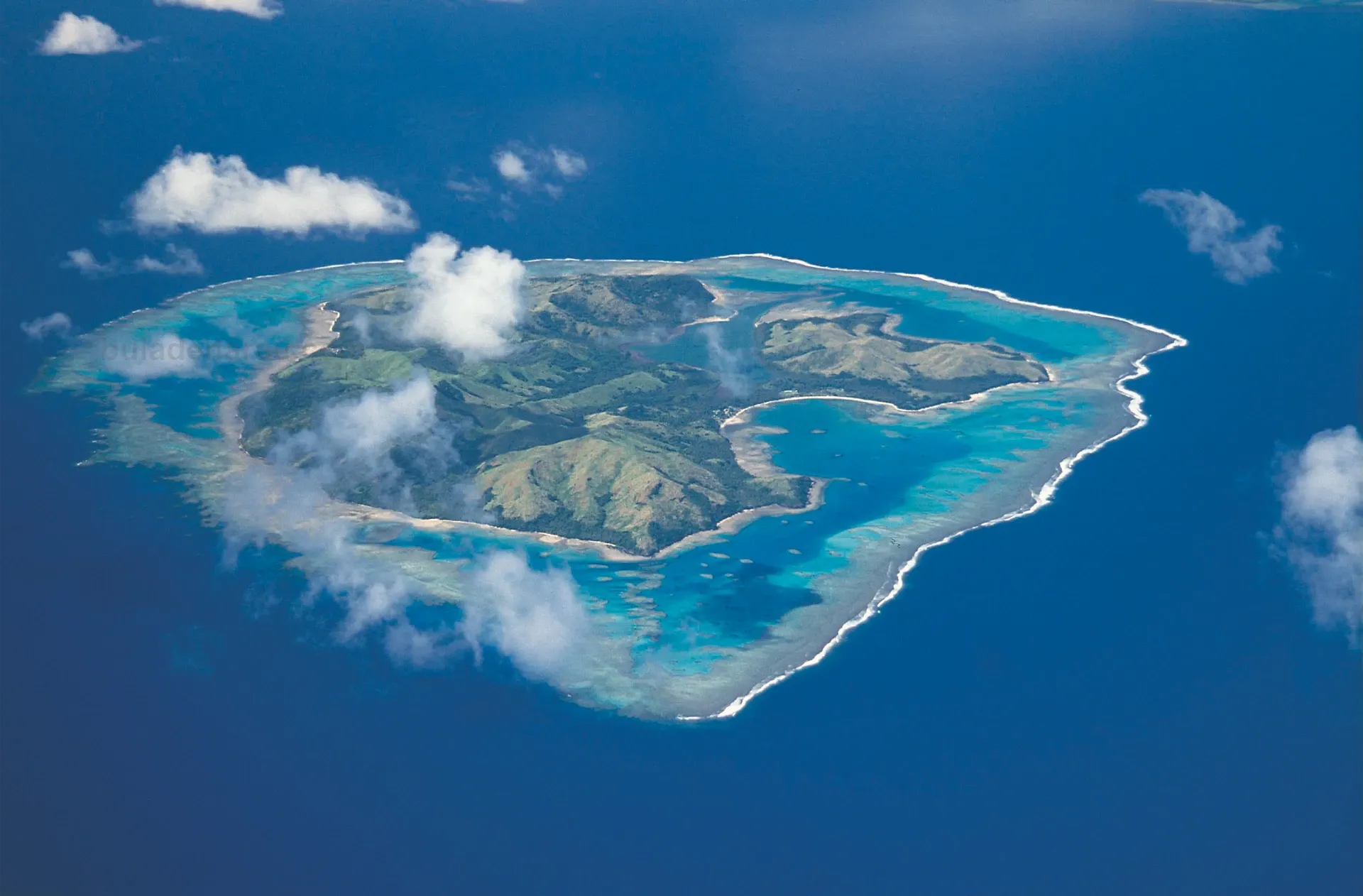
“Of the many ships that came to Fiji for sandalwood, the American brig, Eliza…did most to shape the course of events among the Fijian people; and she failed to reach Sandalwood bay. In May, 1808 the Eliza cleared from Port Jackson, and twelve days later anchored at Tongatabu to begin preparations for the last stage of the voyage. Here two ragged sailors – John Husk and Charles Savage came off to the ship, claiming to be survivors of the massacred crew of the Port au Prince, and they joined the ship. The Eliza’s owners were interested in more than sandalwood, however; included in the cargo were 40,000 Spanish dollars and a quantity of firearms. After passing the Lau islands the captain got too far south and the ship piled up on the Mocea reef, nine miles south of Nairai, and became a total wreck. An event which launched upon Fiji a triple disaster: Charlie Savage, the firearms, and the dollars. Together they were the means of changing the course of events over a large part of the Group.
The weather was calm and the crew had no difficulty in salvaging most of the treasure. They loaded 34,000 dollars into the longboat, with navigating instruments, muskets, a cask of powder and ball, cutlasses, and some of their clothes; then they made for the island and set about burying the money for safety.
The natives were quickly on the scene; and in accordance with their usual custom, they treated the castaways hospitably enough but stripped them of everything they had down to the very clothes they wore.
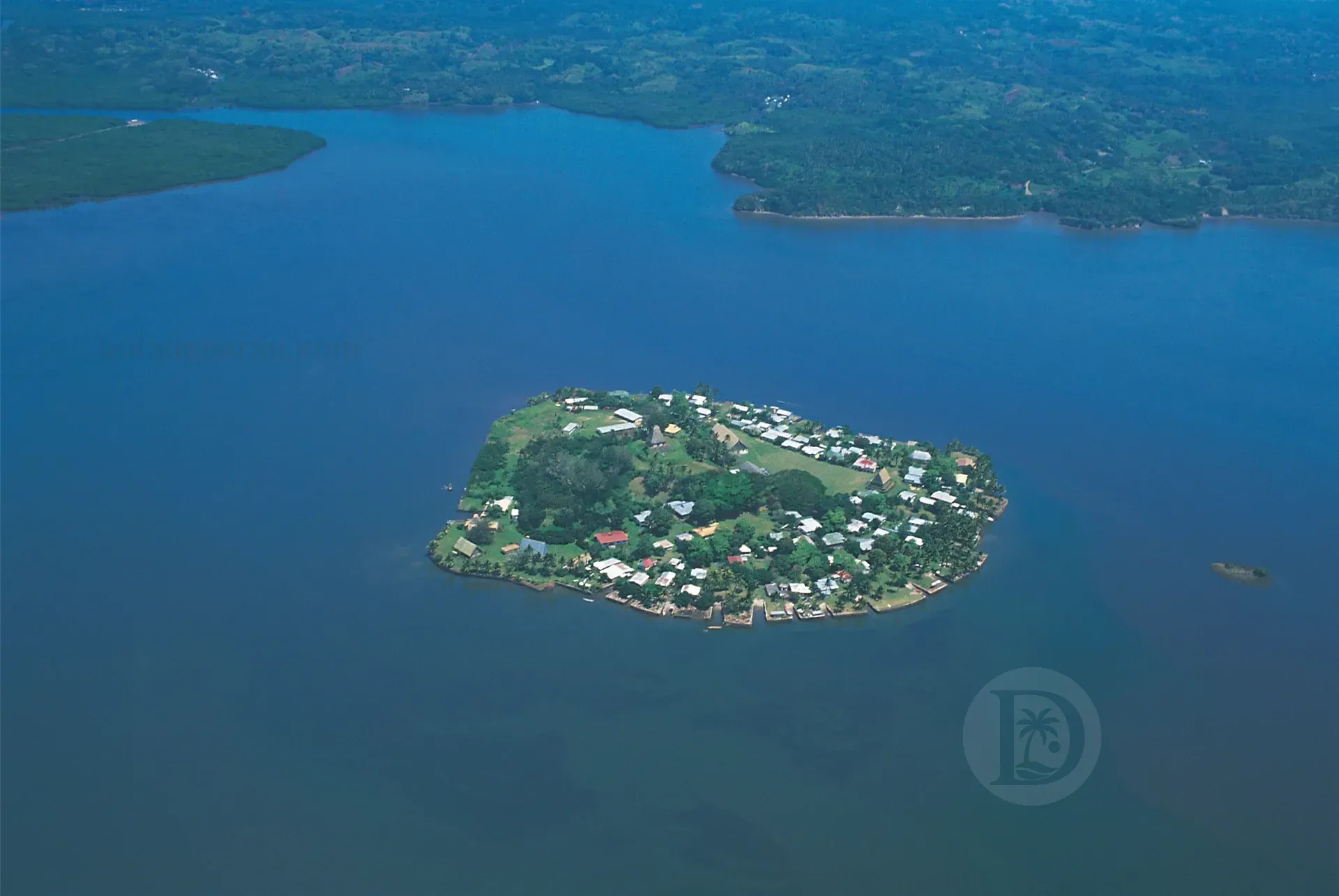
Having been more than eighteen months in Tonga, Savage could speak enough Tongan and Fijian to make himself understood, and this knowledge now proved of value. Within a week the captain and four others were allowed to leave in the longboat. …But not Charlie Savage and his friends. Chiefs came from distant parts of the Group to see the strange white men; a Verata chief persuaded four of them to go with him to Verata; and the crew of a canoe which called on its way from Lakeba to Bau took a fancy to Charlie Savage, begged him of the Tui Lawaki – the chief of Nairai – and took him to Bau to be “the Vunivalu’swhite man.”
Whether Savage took with him a supply of muskets and ammunition from the wreck, or returned later to search for them is uncertain. One way or the other he introduced firearms to Bau, and the Vunivalu – Naulivou – was quick to see the advantage they would give him in his wars. Savage soon demonstrated the effectiveness of the new weapon. His aim was excellent, and the Fijians said he was never known to miss.
If any doubted the power of the musket, it was amply proven during an attack on Kasavu, a village on the Rewa River. The Kasava people told Cargill (an English missionary) that Savage “stood on his canoe in the middle of the river, less than a pistol-shot from the reed fence of the fortification, and fired on the inhabitants, who had no means of defending themselves”.
The victims were so numerous that the townspeople piled up the bodies and sheltered behind them; and the stream beside the village ran red. Savage’s next exploit was against Verata. Bau’s campaign there had been by no means successful; now in her newfound strength, she attacked again. Savage shot down the astonished warriors of Verata until the survivors took panic and fled; but he himself was wounded in the fight. At Nakolo and elsewhere his deeds were of such a quality that “he was long spoken of with horror by his foes and admiration by his friends”.
He soon improved his knowledge of Fijian, spoke the dialects fluently and for more than five years lived at Bau “in very social habits”.
Savage was not for long without companions. Before the attack on Verata he had secretly warned four shipmates there to flee to Bau. Later, drawn by tales of the lost dollars, seamen from ships loading sandalwood deserted or obtained discharge, bought muskets and ammunition with the few dollars they were able to find, and joined the mercenaries at Bau.
Within two or three years there were twenty of them: reckless, cruel, profligate men, whose muskets made them a terror to the enemies of Bau and a pillar of strength to its chief Naulivou. They were pampered by their patrons; they lived by violence and the safe slaughter of savages armed only with primitive weapons; their reward was unrestrained license, and their morals were those of the poultry yard. Inevitably they fought among themselves, and their numbers dwindled. The natives also took a hand. Angered by the depravity and overbearing conduct of these white barbarians, they were in a mood to destroy the whole brawling brood of them; and, when the men from Verata created a disturbance over the division of a feast, in which they fancied themselves slighted they were clubbed before the chiefs could intervene.
Depraved as these white men undoubtedly were, there were some of the “customs of the land” which they refused to countenance: cannibalism and the strangling of widows. Savage is said to have shot certain Fijians whom he discovered in the act of eating human flesh. But they approved and practiced polygamy; indeed women were their highest reward. Savage’s wives were numerous, the principal lady being Kapua, a daughter of the Roko Tui Bau. One of his daughters was still living at Rewa in 1840. But the Bauans took the precaution of eliminating any of his male children whose mother was of high rank.
For five years Savage continued at Bau, dividing his time between periods of beach-combing and idleness, and bloody campaigns which laid the foundations of Bau’s political power and gained for him the title Koroi-na-vunivalu.
His end came in 1813. With some companions he went in May of that year to the Sandalwood Coast, to work the boats of the Hunter. The Hunter was suffering from a lack of success from Captain Robson’s efforts to get a cargo and he was about to give up in disgust; but first it was necessary to beach his cutter in order to repair damage to the hull.
Early in September, Naulivou sent his brother and his nephew, with two large war canoes and two hundred and thirty men, to bring his foreigners back to Bau. In the meantime, however, Robson had come into conflict with Wailea canoes at a point sixty miles higher up the coast. Knowing that, when beached, the cutter would be at the mercy of the Wailea people, he proposed to destroy the remainder of their canoes before beginning the work.
On the morning of 6th September, the crew, Savage and other foreigners from Bau, and a hundred men from the Bau canoes, landed.They reached the summit of Korolevu, a hill some distance inland, burnt the houses there, and then found themselves cut off by foes who were lying in ambush as they climbed. During the massacre that followed, Savage, Peter Dillon of the Hunter, and seven others (among them two chiefs from Bau) kept together and fought their way back towards Black Rock – a high isolated rock near the shore. Savage, Dillon, and four others reached the safety of the rock in time to see the Bau canoes sail away, leaving them to their fate and the bodies of their two chiefs and sixty of their warriors to be eaten by their enemies.
After some hours on the rock, surrounded by a horde of angry cannibals, Savage grew impatient, and went down, accompanied by a Chinaman, to negotiate a truce. However he overrated his ability to handle the Wailea people. When those who were left on the rock refused to be enticed down also, the Chinaman was clubbed; and Savage was seized, suffocated head downwards in a pool of water, cut up, cooked and eaten before his comrades’ eyes and for their encouragement. As a final mark of detestation his bones were later made into sail needles.
Dillon and two others, the sole survivors, gained the ship’s boat and safety by seizing a priest who came to treat with them, thrusting the muzzles of their loaded muskets to his back and ears, and marching him as a hostage through the crowd of yelling thwarted warriors who thronged their way to within the range of the boat’s guns.”
Savage may have got his just deserts and Dillon may have got lucky. But what cannot be disputed is that they were the forerunners of the changing nature of conflict resolution in Fiji. ‘Here cometh the musket’ could easily have been Savage’s epithet. And yet notwithstanding all the bloody destruction that was to follow, within a century the majority of Fijians were to convert to Christianity, cease their cannibal practices and become members of a British Crown Colony.